Feeling Mentally Sluggish, Forgetful, or Struggling to Concentrate?
In our fast-paced world, it's common to experience moments of brain fog, forgetfulness, or a general dip in mental sharpness. While these can sometimes be attributed to stress or lack of sleep, persistent cognitive challenges might signal a deeper issue, often related to nutritional deficiencies.
The good news is that your brain, a complex and energy-demanding organ, relies heavily on a specific array of nutrients to function optimally. Understanding and addressing these needs can be a powerful step towards reclaiming your mental clarity, focus, and memory, helping you navigate daily life with greater ease and efficiency.
The Brain's Nutritional Blueprint: Why Vitamins Matter
Your brain is an incredibly complex organ, constantly working to process information, manage emotions, and execute tasks. This intense activity requires a steady supply of energy and specific micronutrients. Just like a high-performance engine needs premium fuel, your brain demands an optimal diet rich in vitamins, minerals, and other compounds to prevent cognitive decline and brain fog.
When we talk about cognitive health, we're referring to the ability to think, learn, remember, solve problems, and pay attention. These functions are not static; they can be profoundly influenced by our lifestyle, environment, and most critically, our nutrition. Deficiencies in key vitamins and minerals can lead to a range of symptoms, from mild forgetfulness to significant brain fog, impacting daily productivity and overall quality of life.
Understanding which vitamins are essential and how they contribute to brain function is the first step toward proactive cognitive support. This article will delve into the science behind these vital nutrients, their roles in memory and focus, and how you can ensure your brain receives the nourishment it needs to thrive.
Vitamin B12: The Nerve Protector and Energy Booster
Often hailed as a cornerstone of neurological health, Vitamin B12 (cobalamin) plays a pivotal role in maintaining a sharp mind and preventing cognitive decline. Its functions are vast and critical for many bodily processes, especially those involving the brain and nervous system.
What it does: Vitamin B12 is essential for the formation of red blood cells, which carry oxygen to the brain. More directly, it's crucial for the synthesis of myelin, the protective sheath around nerves, ensuring efficient nerve signal transmission. It also participates in the metabolism of homocysteine, high levels of which are associated with an increased risk of cognitive impairment and neurodegenerative diseases. Furthermore, B12 is involved in the synthesis of neurotransmitters, the chemical messengers that allow brain cells to communicate.
Signs of Deficiency: A deficiency in B12 can manifest in a variety of ways, often mimicking symptoms of aging or other neurological conditions. Common signs include fatigue, weakness, nerve damage (tingling or numbness), mood changes, and notably, cognitive issues such as memory loss, difficulty concentrating, and brain fog. Given its impact on red blood cell production, anemia is also a frequent symptom. Vegetarians and vegans, older adults, and individuals with certain gastrointestinal conditions (like Crohn's disease or pernicious anemia) are particularly at risk of deficiency due to impaired absorption.
Sources: Vitamin B12 is primarily found in animal products. Excellent dietary sources include meat, fish, poultry, eggs, and dairy products. Fortified cereals and nutritional yeast are good options for those following plant-based diets. For individuals with absorption issues or strict dietary restrictions, supplementation may be necessary.
Impact on Memory and Focus: Adequate B12 levels support optimal nerve function and neurotransmitter production, which are directly linked to memory recall, learning, and sustained attention. Studies have shown that B12 supplementation can improve cognitive function in deficient individuals, making it a key nutrient in the fight against cognitive decline and brain fog.
💡 Key Takeaway
Vitamin B12 is vital for nerve health, neurotransmitter synthesis, and red blood cell formation, directly impacting memory, focus, and overall cognitive function. Deficiency can lead to significant brain fog and cognitive impairment.
Vitamin D3: The Sunshine Vitamin's Role in Brain Health
Once primarily recognized for its role in bone health, Vitamin D3 (cholecalciferol) has emerged as a critical player in neurological function and mental well-being. Often dubbed the "sunshine vitamin" because our bodies produce it when exposed to sunlight, many people are still deficient, especially those living in northern latitudes or spending significant time indoors.
What it does: Vitamin D receptors are found throughout the brain, including areas involved in memory, learning, and decision-making. It's involved in neuroprotection, reducing inflammation, and regulating neurotransmitter synthesis. Emerging research suggests Vitamin D3 has a role in brain development, mood regulation, and protecting against neurodegenerative diseases. It influences the expression of genes involved in brain activity and may help clear amyloid plaques, which are associated with Alzheimer's disease.
Signs of Deficiency: Beyond bone problems, low Vitamin D3 levels have been linked to a higher risk of depression, fatigue, and impaired cognitive function, including poor memory and slower processing speed. Many individuals with brain fog or a general feeling of mental sluggishness are found to have insufficient Vitamin D levels upon testing.
Sources: The most natural source is sunlight exposure, but this can be unreliable depending on geography, season, and skin type. Dietary sources include fatty fish (salmon, mackerel, tuna), cod liver oil, and fortified foods like milk, cereals, and orange juice. Supplementation is often recommended, especially during winter months or for those with limited sun exposure.
Impact on Memory and Focus: Adequate Vitamin D3 levels are associated with better cognitive performance, including improved executive function, memory, and information processing speed. Its anti-inflammatory and neuroprotective properties help maintain a healthy brain environment, crucial for sustained focus and clear memory. Ensuring optimal D3 levels can be a simple yet profound step in supporting your brain's long-term health and resilience.
Beyond B12 and D3: Other Essential Brain-Boosting Nutrients
While B12 and D3 are paramount, the brain thrives on a symphony of nutrients. A holistic approach to cognitive health recognizes that various vitamins, minerals, and other compounds work synergistically to support memory, focus, and overall neurological function.
Omega-3 Fatty Acids (DHA & EPA)
These are perhaps the most well-known brain fats. DHA (Docosahexaenoic Acid) is a major structural component of the brain, particularly abundant in the cerebral cortex, which is responsible for memory, language, and abstract thought. EPA (Eicosapentaenoic Acid) has anti-inflammatory properties that protect brain cells. They are crucial for neuronal membrane fluidity, neurotransmission, and overall brain plasticity. Found in fatty fish like salmon, sardines, and mackerel, or in algal oil supplements.
Magnesium
A vital mineral involved in over 300 enzymatic reactions, magnesium is critical for nerve transmission, muscle function, and energy production. In the brain, it plays a key role in synaptic plasticity, the ability of synapses to strengthen or weaken over time, which is fundamental for learning and memory. It also helps regulate neurotransmitters that are essential for mood and cognitive function. Rich sources include leafy greens, nuts, seeds, legumes, and whole grains.
Other B Vitamins (B6, Folate/B9)
The entire B-complex family is crucial for brain health. Vitamin B6 (pyridoxine) is vital for neurotransmitter synthesis, including serotonin, dopamine, and GABA. Folate (Vitamin B9) works with B12 to metabolize homocysteine and is essential for DNA synthesis and repair, both critical for healthy brain cells. Deficiencies in these B vitamins can lead to elevated homocysteine levels, increasing the risk of cognitive impairment. Found in whole grains, legumes, fruits, vegetables, and lean meats.
Antioxidants (Vitamin C, E, Flavonoids)
The brain is highly susceptible to oxidative stress due to its high metabolic rate and lipid content. Antioxidants protect brain cells from damage caused by free radicals, which can contribute to cognitive decline. Vitamin C is also involved in neurotransmitter synthesis. Vitamin E is a fat-soluble antioxidant that protects cell membranes. Flavonoids, found in berries, dark chocolate, and green tea, have potent antioxidant and anti-inflammatory effects that can improve blood flow to the brain and enhance synaptic connections. Learn more about powerful natural ingredients that act as antioxidants and more in our article about L-Theanine, Ginkgo, and Quercetin.
Zinc
This trace mineral is abundant in the brain and plays a critical role in synaptic plasticity, neurotransmission, and protecting against oxidative stress. Zinc deficiency can impair cognitive functions, including memory and learning. Good sources include red meat, poultry, beans, nuts, and dairy products. Balancing zinc intake is important, as both deficiency and excess can be problematic.

Lifestyle Factors: Beyond Supplements for Brain Health
While nutritional supplements can play a supportive role, they are most effective when integrated into a broader strategy for brain health. A truly robust cognitive function is built upon a foundation of healthy lifestyle choices that complement dietary intake.
Dietary Habits: The foods you eat directly impact your brain. A diet rich in whole foods, such as the Mediterranean diet, is consistently linked to better cognitive outcomes. Emphasize fruits, vegetables, whole grains, lean proteins, and healthy fats while limiting processed foods, excessive sugars, and unhealthy fats. These choices provide a spectrum of nutrients and antioxidants that protect brain cells and support optimal function.
Regular Physical Activity: Exercise isn't just good for your body; it's phenomenal for your brain. Physical activity increases blood flow to the brain, delivering oxygen and nutrients. It also stimulates the release of brain-derived neurotrophic factor (BDNF), a protein that promotes the growth of new brain cells and connections, enhancing memory and learning. Aim for a combination of aerobic and strength training exercises.
Quality Sleep: Sleep is a non-negotiable pillar of cognitive health. During sleep, your brain consolidates memories, clears out metabolic waste products (including amyloid-beta proteins), and prepares for optimal function the next day. Chronic sleep deprivation can lead to significant impairments in memory, attention, and problem-solving. Prioritizing 7-9 hours of quality sleep per night is crucial. For more insights, read our article on Sleep and Brain Health.
Stress Management: Chronic stress can wreak havoc on your brain. It elevates cortisol levels, which can damage brain cells in the hippocampus, a region critical for memory. Practicing stress-reduction techniques like meditation, yoga, deep breathing exercises, spending time in nature, or engaging in hobbies can protect your brain from the detrimental effects of prolonged stress.
Mental Stimulation: Keep your brain active and engaged. Learning new skills, reading, solving puzzles, playing musical instruments, or engaging in intellectually stimulating conversations can create new neural pathways and strengthen existing ones. This "use it or lose it" principle applies directly to cognitive function.
Social Engagement: Strong social connections are linked to better cognitive health and a lower risk of cognitive decline. Interacting with others, participating in community activities, and maintaining relationships provide mental stimulation and emotional support, both of which are protective factors for the brain.
By combining these lifestyle strategies with targeted nutritional support, you create a powerful defense against cognitive decline and cultivate an environment where your brain can truly flourish.
Signs You Might Benefit from Brain Nutritional Support
Recognizing the subtle (and sometimes not-so-subtle) cues your brain sends can help you address potential nutritional gaps before they become more pronounced. Pay attention to these common indicators:
Frequent Forgetfulness
More than just misplacing your keys occasionally. Are you forgetting appointments, names of familiar people, or important details from recent conversations? This could be an early sign of cognitive fatigue.
Persistent Brain Fog
A feeling of mental cloudiness, difficulty thinking clearly, or a general sense of mental sluggishness. You might struggle to articulate thoughts or feel like your mind is "slowed down."
Difficulty Concentrating
Struggling to stay focused on tasks, easily distracted, or finding it hard to maintain attention during conversations or reading. This impacts productivity and learning.
Reduced Mental Energy
Feeling mentally drained quickly, even without strenuous physical activity. This isn't just physical tiredness, but a specific lack of mental stamina to tackle cognitive tasks.
Slower Processing Speed
Taking longer to grasp new concepts, make decisions, or respond in conversations. Information that once came easily now requires extra effort to process.
Mood Fluctuations
While not purely cognitive, some nutritional deficiencies linked to brain health can also impact mood, leading to increased irritability, anxiety, or feelings of sadness.
If you recognize several of these symptoms, it might be time to evaluate your nutritional intake and consider targeted support. Consulting with a healthcare professional is always recommended to rule out underlying medical conditions.
Powerful Natural Compounds for Enhanced Cognitive Function
Beyond essential vitamins and minerals, nature offers a wealth of botanical extracts and amino acids known for their potent nootropic and adaptogenic properties. These compounds can further enhance brain health by supporting memory, focus, stress resilience, and neuroprotection.

Bacopa Monnieri
Role: An ancient Ayurvedic herb, Bacopa is renowned for its memory-enhancing properties. It helps improve information retention, learning rate, and reduces anxiety by enhancing synaptic communication and promoting neuron growth. It also acts as an adaptogen, helping the body manage stress.
Typical Dose: 300-450 mg (50% bacosides)
L-Theanine
Role: An amino acid found primarily in green tea, L-Theanine promotes a state of calm, focused alertness without sedation. It works by increasing alpha brain waves, which are associated with relaxed wakefulness, and by influencing neurotransmitters like GABA, dopamine, and serotonin. It's often paired with caffeine to smooth out caffeine's stimulating effects.
Typical Dose: 100-200 mg
Green Tea Extract (EGCG)
Role: Rich in antioxidants, particularly epigallocatechin gallate (EGCG), green tea extract offers neuroprotective benefits, combating oxidative stress and inflammation. EGCG can enhance brain function, improve memory, and promote brain cell growth. It also provides a mild, sustained energy boost due to its natural caffeine content.
Typical Dose: 250-500 mg (standardized EGCG)
Lion's Mane Mushroom
Role: This unique mushroom is celebrated for its ability to stimulate the production of Nerve Growth Factor (NGF) and Brain-Derived Neurotrophic Factor (BDNF), proteins crucial for the growth, maintenance, and survival of neurons. It can improve memory, focus, and overall cognitive health, and may help protect against age-related cognitive decline.
Typical Dose: 500-1000 mg
Rhodiola Rosea
Role: An adaptogenic herb, Rhodiola helps the body adapt to stress, both physical and mental. It can reduce fatigue, improve mental performance, and enhance focus under stressful conditions. It works by modulating neurotransmitter levels and protecting against oxidative damage, making it excellent for sustained cognitive effort.
Typical Dose: 200-600 mg (standardized to 3% rosavins, 1% salidrosides)
Vitamin B Complex
Role: As discussed, a full spectrum of B vitamins (B1, B2, B3, B5, B6, B7, B9, B12) is vital. They are essential co-factors in energy production, neurotransmitter synthesis, and nerve health. A complete B-complex ensures synergistic support for metabolism, nerve function, and mental clarity, collectively combating brain fog and fatigue.
Typical Dose: Varies per vitamin, usually a balanced complex
Ready to Sharpen Your Mind and Reclaim Your Focus?
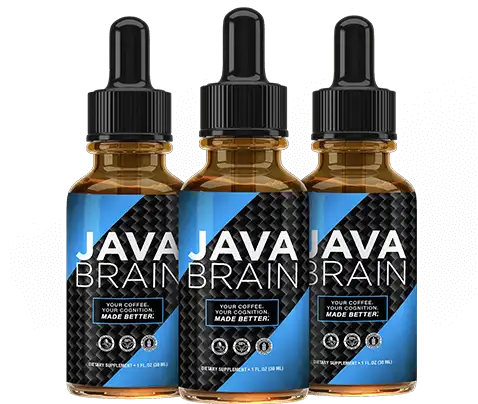
If you're looking for a comprehensive, natural solution to support your memory, enhance your focus, and combat brain fog, Java Brain offers a carefully crafted blend of the most effective ingredients, including many discussed in this article.
- ✓ Supports Memory Retention & Recall
- ✓ Enhances Focus & Concentration
- ✓ Boosts Mental Energy & Clarity
- ✓ Formulated with Natural Nootropics & Vitamins
- ✓ Made in USA, GMP Certified




What Our Customers Are Saying
"I used to struggle so much with remembering names and staying focused at work. After starting Java Brain, I feel like a switch flipped. My memory is sharper, and I can concentrate for hours. It's truly made a difference!"
"Brain fog was my constant companion, especially in the afternoons. I was skeptical, but Java Brain has genuinely helped clear the haze. I feel more alert, my thoughts are clearer, and I have more energy throughout the day."
"As a student, focus is everything. I've tried other supplements, but Java Brain is the only one that gives me that sustained mental clarity without jitters. My study sessions are more productive, and my grades show it!"
Frequently Asked Questions
Which vitamins are most crucial for memory and focus?
+Vitamins B12, D3, and Omega-3 fatty acids (especially DHA) are often highlighted for their significant roles in supporting cognitive functions, nerve health, and brain structure.
Can vitamin deficiencies cause brain fog or cognitive decline?
+Yes, deficiencies in certain vitamins like B12, D3, and even some minerals can manifest as symptoms like brain fog, poor memory, fatigue, and reduced mental clarity.
How long does it take to see cognitive improvements from supplements?
+The timeline for noticing improvements varies greatly among individuals, depending on the severity of deficiency, lifestyle, and consistency. Some may feel changes within weeks, others may take months.
Are there any side effects to taking brain health vitamins?
+Most vitamins are safe when taken within recommended dosages. However, excessive intake of certain vitamins (e.g., fat-soluble vitamins like D3) can lead to adverse effects. Always consult a doctor.
Besides vitamins, what other natural ingredients support brain health?
+Beyond essential vitamins, natural compounds like Bacopa Monnieri, L-Theanine, Lion's Mane Mushroom, and Rhodiola Rosea are recognized for their nootropic and adaptogenic properties.
Is Java Brain a natural supplement for memory and focus?
+Yes, Java Brain is formulated with a blend of natural ingredients, including several discussed in this article, designed to support memory, focus, and overall cognitive health. It's made in the USA and GMP certified.
Related Articles