Are you noticing subtle shifts in your memory or focus?
In our fast-paced world, it's easy to dismiss moments of forgetfulness or a nagging sense of "brain fog" as normal parts of aging or stress. However, these subtle changes can sometimes be early indicators of cognitive decline, a condition that affects millions globally and can significantly impact quality of life.
Understanding these initial warning signs is crucial, not for alarm, but for empowerment. Early detection opens the door to effective prevention strategies and interventions, allowing you to take proactive steps towards safeguarding your brain health for years to come. This article, reviewed by Dr. Brian Scott, M.D., a Board-Certified Neurologist, will guide you through recognizing these signs, understanding their causes, and implementing powerful prevention methods.
What is Cognitive Decline and Brain Fog?
Before we delve into the warning signs, it's important to differentiate between normal age-related changes and more concerning cognitive decline.
Cognitive decline refers to a decrease in cognitive function, such as memory, thinking, language, judgment, and learning, that is beyond what is expected with normal aging. It can range from mild cognitive impairment (MCI), where changes are noticeable but don't significantly interfere with daily life, to more severe conditions like dementia.
Brain fog, while often a symptom of cognitive decline, is a broader term describing a feeling of mental sluggishness, lack of focus, and difficulty concentrating. It's not a medical condition itself but rather a symptom that can be caused by various factors, including sleep deprivation, stress, diet, certain medications, and indeed, early cognitive changes. Many people experience brain fog sporadically, but persistent or worsening brain fog can be a red flag. For a deeper dive into the causes and remedies for this common issue, you can read our article on what causes brain fog and how to find relief.
The human brain is an incredibly complex organ, constantly forming new connections and adapting. However, factors like inflammation, oxidative stress, reduced blood flow, and neurotransmitter imbalances can contribute to a decline in its optimal function. Recognizing these processes and their outward manifestations is the first step toward proactive intervention.
💡 Key Takeaway
Cognitive decline signifies a measurable decrease in mental abilities beyond normal aging, while brain fog describes a feeling of mental haziness. Both can be early indicators of underlying issues that warrant attention and proactive intervention.
Early Warning Signs of Cognitive Decline
Identifying cognitive decline early can be challenging because symptoms often emerge subtly and can be mistaken for normal aging or stress. However, paying close attention to persistent changes in key cognitive domains is vital.
Here are the primary areas where early signs often manifest:
1. Memory Loss That Disrupts Daily Life
This is perhaps the most well-known sign. While forgetting a name or where you put your keys occasionally is normal, consistent memory issues are not. This includes:
- Forgetting recently learned information: Repeatedly asking the same questions or needing the same information told to them again and again.
- Difficulty recalling important dates or events: Missing appointments, birthdays, or significant occasions that they would normally remember.
- Increasing reliance on memory aids: Constantly needing notes, reminders, or family members to remember things they used to handle independently.
2. Challenges in Planning or Solving Problems
The brain's executive functions, responsible for planning, organizing, and problem-solving, can be affected early. Look for:
- Difficulty following a familiar recipe: Struggling with steps or sequence in tasks they once did effortlessly.
- Problems managing finances: Trouble balancing a checkbook, paying bills on time, or understanding financial statements.
- Concentration issues: Finding it hard to focus on a task, especially those requiring sustained attention. This often manifests as increased mental fatigue or a feeling of being overwhelmed by simple decisions.
3. Difficulty Completing Familiar Tasks
Routine tasks that were once second nature can become challenging. This might involve:
- Struggling with driving to a familiar location: Getting lost or confused on routes they've taken countless times.
- Trouble operating common household appliances: Forgetting how to use a microwave, television remote, or phone.
- Inability to complete hobbies: Losing interest or the ability to perform activities they once enjoyed, like playing a musical instrument or gardening.
4. Confusion with Time or Place
Disorientation can be an early indicator, specifically:
- Losing track of dates, seasons, and the passage of time: Not knowing what day of the week it is or what month.
- Forgetting where they are or how they got there: This can be particularly distressing and dangerous.
- Difficulty understanding something if it’s not happening immediately: A reduced ability to grasp future or past concepts.
5. New Problems with Words in Speaking or Writing
Language difficulties can emerge, making communication frustrating:
- Trouble finding the right word: Frequently pausing or substituting incorrect words, making conversations difficult to follow.
- Repeating themselves: Saying the same things over and over.
- Struggling to follow or join a conversation: Losing the thread of discussion or having difficulty expressing thoughts coherently.
6. Misplacing Things and Losing the Ability to Retrace Steps
While everyone misplaces items, a pattern of consistently putting things in unusual places and being unable to logically retrace steps to find them is concerning. For example, putting keys in the refrigerator and having no memory of doing so.
7. Decreased or Poor Judgment
Changes in judgment can affect decision-making:
- Making poor financial decisions: Giving away large sums of money to telemarketers or falling for scams.
- Neglecting personal hygiene: Dressing inappropriately for the weather or showing a decline in grooming habits.
- Reduced awareness of risks: Engaging in unsafe behaviors.
8. Withdrawal from Work or Social Activities
As cognitive challenges grow, individuals may start to pull away:
- Avoiding social gatherings: Feeling overwhelmed or embarrassed by their difficulties in conversation.
- Losing interest in hobbies or sports: The effort required becomes too great, or they no longer understand the rules.
- Reduced engagement in work tasks: Difficulty keeping up with job responsibilities, leading to frustration or isolation.
9. Changes in Mood and Personality
These can be significant and distressing:
- Becoming confused, suspicious, depressed, fearful, or anxious: Reacting differently to situations than they would have previously.
- Easily upset: Exhibiting sudden mood swings, irritability, or unexpected outbursts.
- Apathy: Showing a lack of interest or motivation in activities they once enjoyed.
If you or a loved one are experiencing several of these symptoms, it is crucial to consult a healthcare professional for an accurate diagnosis and guidance. Early intervention is key to managing cognitive decline and potentially slowing its progression.
Risk Factors for Cognitive Decline and Brain Fog
Understanding the factors that increase your risk for cognitive decline and brain fog allows for targeted prevention. While some factors are beyond our control, many are modifiable through lifestyle choices.
Age
The greatest risk factor. While not all older adults experience significant decline, the risk increases substantially after age 65. However, cognitive health is influenced by factors throughout the lifespan, not just in later years.
Genetics
Family history, particularly of Alzheimer's disease, can increase risk. However, genetics are not destiny; lifestyle often plays a more dominant role in determining whether genetic predispositions manifest.
Cardiovascular Health
Conditions like high blood pressure, high cholesterol, diabetes, obesity, and heart disease significantly increase the risk of cognitive decline. What's good for your heart is often good for your brain.
Poor Sleep
Chronic sleep deprivation or disorders like sleep apnea disrupt the brain's ability to clear toxins and consolidate memories, leading to brain fog and increasing long-term cognitive risk.
Lack of Physical Activity
Sedentary lifestyles are linked to poorer brain health. Regular exercise improves blood flow to the brain, reduces inflammation, and stimulates growth factors.
Unhealthy Diet
Diets high in processed foods, sugar, and unhealthy fats can lead to inflammation and oxidative stress, damaging brain cells and contributing to cognitive issues.
Chronic Stress & Mental Health Issues
Prolonged stress, depression, and anxiety can negatively impact brain structure and function, impairing memory and executive function, and contributing to persistent brain fog.
Lack of Mental Stimulation
Not engaging in mentally challenging activities can lead to reduced cognitive reserve. The "use it or lose it" principle applies strongly to brain health.
While some of these factors are interconnected, addressing even a few modifiable risks can have a profound positive impact on your cognitive trajectory. Taking a holistic approach to brain health is the most effective strategy for prevention.

Powerful Prevention Strategies for Lifelong Brain Health
The good news is that a significant portion of cognitive decline is preventable. By adopting a proactive and holistic approach, you can build resilience and promote optimal brain function throughout your life.
Embrace a Brain-Healthy Diet
Focus on nutrient-dense foods. The Mediterranean diet, rich in fruits, vegetables, whole grains, lean proteins (especially fish), and healthy fats (like olive oil), is consistently linked to better cognitive outcomes. Limit processed foods, sugar, and unhealthy saturated and trans fats. Hydration is also crucial for optimal brain function.
Prioritize Regular Physical Activity
Exercise isn't just for your body; it's a powerful brain booster. Aim for at least 150 minutes of moderate-intensity aerobic exercise per week, combined with strength training. Physical activity increases blood flow to the brain, stimulates the growth of new brain cells, and reduces inflammation, all contributing to improved cognitive function and mood.
Ensure Adequate and Quality Sleep
Sleep is when your brain repairs itself, clears metabolic waste, and consolidates memories. Chronic sleep deprivation is a major contributor to brain fog and long-term cognitive risk. Aim for 7-9 hours of quality sleep per night. Establish a consistent sleep schedule, create a relaxing bedtime routine, and address sleep disorders like sleep apnea.
Manage Stress Effectively
Chronic stress releases cortisol, a hormone that can damage brain cells, particularly in areas related to memory. Incorporate stress-reduction techniques into your daily routine, such as meditation, yoga, deep breathing exercises, spending time in nature, or engaging in hobbies you enjoy. Seeking professional help for chronic stress or anxiety is also important.
Stay Mentally and Socially Engaged
Challenge your brain with new learning experiences, puzzles, reading, or learning a new skill or language. Mental stimulation helps build cognitive reserve and keeps neural pathways active. Social interaction is equally important; strong social ties can reduce the risk of cognitive decline and provide emotional support, reducing isolation and depression.
Maintain Cardiovascular Health
What's good for your heart is good for your brain. Manage blood pressure, cholesterol, and blood sugar levels through diet, exercise, and medication if necessary. Quit smoking and limit alcohol consumption, as both negatively impact brain health and increase the risk of cognitive decline. Regular check-ups are key to monitoring these vital health markers.
The Role of Targeted Nutrition and Nootropics
While a healthy lifestyle is foundational, specific nutrients and natural compounds, often referred to as nootropics, can offer additional support for cognitive function, especially when dietary intake might be insufficient or when facing persistent brain fog.
Nootropics are substances that can enhance cognitive functions such as memory, creativity, or motivation. Many natural nootropics work by supporting neurotransmitter production, improving blood flow to the brain, reducing inflammation, or acting as antioxidants. These can be particularly beneficial for individuals experiencing mild cognitive concerns or looking to optimize their mental performance.
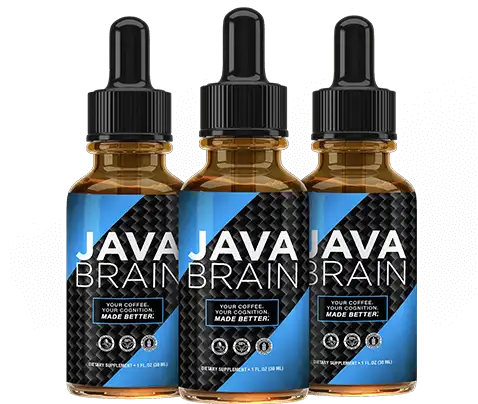
When considering nootropics, it's essential to look for formulations that use clinically studied ingredients at effective dosages. One such comprehensive solution is Java Brain. It integrates several well-researched natural ingredients known for their cognitive benefits. For those interested in how such supplements compare to other options, our article on Java Brain vs. Other Nootropic Coffees provides a detailed comparison.
Let's explore some of the key ingredients found in effective brain health supplements:
Key Natural Ingredients for Cognitive Support

Bacopa Monnieri
Role: An ancient Ayurvedic herb known for its ability to enhance memory, learning, and reduce anxiety. It supports neural communication and has potent antioxidant properties, protecting brain cells from damage.
Typical Dose: 300-450mg of extract
L-Theanine
Role: An amino acid found primarily in green tea. It promotes a state of relaxed alertness, reducing stress and improving focus without causing drowsiness. It works by increasing alpha brain waves and boosting neurotransmitters like GABA.
Typical Dose: 100-200mg
Green Tea Extract (EGCG)
Role: Rich in antioxidants, particularly EGCG, which protects the brain from oxidative stress. It supports brain function, improves alertness, and may aid in long-term brain health by supporting neurogenesis and reducing inflammation.
Typical Dose: 200-400mg (standardized)
Lion's Mane Mushroom
Role: A medicinal mushroom revered for its neuroprotective properties. It stimulates the production of Nerve Growth Factor (NGF), which is crucial for the growth, maintenance, and survival of neurons, potentially improving memory and cognitive function.
Typical Dose: 500-1000mg
Rhodiola Rosea
Role: An adaptogenic herb that helps the body adapt to stress. It can reduce mental fatigue, improve focus, and enhance mood, making it valuable for combating stress-induced brain fog and supporting sustained mental performance.
Typical Dose: 200-600mg (standardized)
Vitamin B Complex
Role: Essential for numerous brain functions, including energy production, neurotransmitter synthesis, and nerve health. Deficiencies in B6, B9 (folate), and B12 are linked to cognitive decline and increased homocysteine levels, which can be detrimental to brain health.
Typical Dose: Varies by B vitaminWhen choosing a supplement, look for transparency in ingredients and dosages, and consider products that offer a blend of synergistic compounds for comprehensive support, like Java Brain. Many users have shared their positive experiences; you can read some of these insights in our Java Brain reviews and real results.

Take Control of Your Cognitive Future with Java Brain
Java Brain is formulated with clinically studied natural ingredients to support memory, focus, and overall brain health, helping you combat brain fog and maintain peak mental performance. It's designed to seamlessly fit into your daily routine, offering a natural boost to your cognitive vitality.
- Supports enhanced memory recall and retention
- Boosts focus, concentration, and sustained attention
- Reduces mental fatigue and clears away brain fog
- Promotes a positive mood and greater mental clarity
- Natural, non-GMO, and stimulant-free formula for daily use




What Our Customers Are Saying
"I was constantly forgetting things and felt a persistent mental fog. After a few weeks of Java Brain, I feel sharper, more focused, and my memory recall has definitely improved. It's like my brain woke up!"
"Working long hours, brain fog was my constant companion. Java Brain has been a game-changer. I have sustained energy and clarity without the jitters. My productivity has soared, and I feel more present."
"I was skeptical at first, but the natural ingredients in Java Brain convinced me to try it. My ability to concentrate on complex tasks has significantly improved, and I no longer feel overwhelmed by simple decisions. Highly recommend!"
Frequently Asked Questions
What are the earliest signs of cognitive decline?
+Early signs often include subtle changes in memory, such as forgetting recent events or names, difficulty concentrating, taking longer to complete familiar tasks, or struggling with problem-solving. These changes are more significant than typical age-related forgetfulness and may impact daily life.
Can brain fog be reversed or improved?
+Yes, in many cases, brain fog is not a permanent condition and can be significantly improved or even reversed. Identifying and addressing underlying causes like poor sleep, chronic stress, nutritional deficiencies, or certain medical conditions is key. Lifestyle changes, dietary adjustments, and targeted supplements can often provide substantial relief.
How can lifestyle changes prevent cognitive decline?
+Lifestyle plays a crucial role. Regular physical exercise boosts blood flow to the brain, a nutrient-rich diet (like the Mediterranean diet) provides essential brain nutrients, adequate sleep allows the brain to clear toxins, stress management reduces inflammation, and continuous mental stimulation helps build cognitive reserves. Social engagement is also vital for brain health.
Are nootropics like Java Brain effective for cognitive support?
+Nootropics, or 'brain boosters,' contain ingredients designed to support various aspects of cognitive function. Java Brain, for instance, uses a blend of natural compounds like Bacopa Monnieri, L-Theanine, and Green Tea Extract, which have been studied for their roles in enhancing memory, focus, and mental clarity. While individual results vary, many users report noticeable improvements.
Is Java Brain safe to use?
+Java Brain is formulated with 100% natural, non-GMO ingredients and is manufactured in a GMP-certified facility in the USA, ensuring high quality and safety standards. It is generally considered safe for healthy adults. However, as with any supplement, it's always recommended to consult with your healthcare provider before starting, especially if you have existing medical conditions or are taking other medications.
How long does it take to see results with Java Brain?
+Results can vary from person to person depending on individual physiology and the severity of cognitive concerns. Some individuals report feeling more focused and mentally clear within a few days or weeks, while others may experience more significant benefits after consistent use over 1-3 months. For optimal results, it is recommended to use Java Brain consistently as directed.
Related Articles
