Struggling with "senior moments" or persistent brain fog?
As we age, or even amidst the stresses of modern life, our cognitive functions can begin to falter. Memory lapses, difficulty concentrating, and a general feeling of mental fogginess are common complaints that can significantly impact daily life and overall quality of living. These experiences, often dismissed as normal aging, can be symptoms of underlying issues related to brain health and nutrient deficiencies.
But what if there was a key nutrient that could help revitalize your brain cells, supporting their structure and function? Enter Phosphatidylserine (PS), a naturally occurring phospholipid that is absolutely crucial for maintaining healthy brain cell membranes and optimizing neurotransmitter activity. This article delves deep into why Phosphatidylserine is the memory nutrient your brain truly needs, offering a beacon of hope for clearer thinking and sharper recall.
Understanding Phosphatidylserine (PS): The Brain's Structural Essential
Phosphatidylserine, often abbreviated as PS, is more than just a fancy biochemical term; it's a critical component of every cell membrane in your body, with its highest concentration found in the brain. As a phospholipid, PS plays a pivotal role in maintaining the structural integrity and fluidity of these membranes, particularly those of neurons.
Imagine your brain cells as tiny, intricate communication hubs. For these hubs to function optimally, their outer layers – the cell membranes – must be healthy and flexible. PS is the unsung hero that ensures these membranes remain supple, allowing for efficient nutrient transport, waste removal, and, most importantly, rapid and clear communication between brain cells. Without adequate PS, cell membranes can become rigid and less functional, impeding the very processes that underpin sharp thinking and memory.
This vital nutrient is not just a building block; it's a dynamic participant in cellular activities. It helps regulate the flow of ions and molecules in and out of cells, which is fundamental for nerve impulse transmission. Furthermore, PS is involved in cell signaling pathways that are crucial for neuronal growth, repair, and overall synaptic plasticity – the brain's ability to adapt and form new connections, which is essential for learning and memory formation. Its presence is a testament to the intricate biochemical dance that keeps our cognitive faculties robust and responsive, making it an indispensable nutrient for anyone looking to support their brain health proactively.
💡 Key Takeaway
Phosphatidylserine (PS) is a vital phospholipid, highly concentrated in brain cell membranes, crucial for maintaining their structure, fluidity, and efficient communication between neurons, directly impacting memory and cognitive function.
The Mechanisms Behind PS's Cognitive Power
The benefits of Phosphatidylserine for brain health extend far beyond its structural role. Its influence permeates several key physiological processes that directly impact memory, learning, and overall cognitive vitality. Understanding these mechanisms helps us appreciate why PS is such a potent nootropic.
Enhanced Neurotransmitter Function
PS is instrumental in the synthesis and release of vital neurotransmitters, chemical messengers that transmit signals between neurons. It significantly supports the production of acetylcholine, a neurotransmitter critical for memory, learning, and attention. Additionally, PS has been shown to influence dopamine and serotonin levels, impacting mood, motivation, and overall mental well-being.
Improved Glucose Metabolism
The brain is an energy-intensive organ, consuming a disproportionate amount of the body's glucose supply. PS helps optimize glucose uptake and utilization within brain cells, ensuring a steady and efficient energy supply. This enhanced metabolic efficiency is crucial for sustaining complex cognitive tasks, preventing mental fatigue, and maintaining focus throughout the day.
Optimized Cell Membrane Fluidity
Beyond its structural role, PS actively contributes to the dynamic fluidity of neuronal membranes. A fluid membrane allows receptors to move more freely, enhancing signal transduction and improving the efficiency of cellular communication. This flexibility is paramount for rapid information processing, synaptic plasticity, and the brain's ability to adapt and learn.
Stress Response Modulation
Chronic stress can severely impair cognitive function, particularly memory. PS has demonstrated the ability to attenuate the release of cortisol, the primary stress hormone. By helping to regulate the body's stress response, PS protects brain cells from the damaging effects of prolonged stress, thereby preserving cognitive performance and reducing feelings of mental overwhelm.
Support for Nerve Growth Factor (NGF)
Nerve Growth Factor (NGF) is a protein crucial for the growth, maintenance, and survival of neurons. PS has been linked to supporting NGF activity, which in turn promotes neuronal repair and regeneration. This aspect is particularly important for mitigating age-related neuronal damage and supporting the brain's long-term health and resilience.
Phosphatidylserine and Memory: A Deep Dive
When we talk about memory, we're discussing a complex interplay of processes including encoding, storage, and retrieval of information. Phosphatidylserine has been extensively studied for its profound impact across these various facets of memory, making it a cornerstone for cognitive enhancement.
Clinical research consistently highlights PS's ability to improve both short-term and long-term memory recall. In studies involving older adults experiencing age-associated memory impairment, supplementation with PS led to significant improvements in tasks requiring immediate recall of names, faces, and numbers. Participants often reported a greater ease in remembering daily events and conversations, reducing the frustration associated with "senior moments." This isn't just about remembering facts; it's about enhancing the brain's overall capacity to form and retrieve memories efficiently.
Beyond simple recall, PS also plays a vital role in enhancing learning capacity. By improving synaptic plasticity – the strength and efficiency of connections between neurons – PS helps the brain adapt and form new neural pathways. This is the biological basis of learning, allowing us to acquire new skills, languages, and information more effectively. Students, professionals, and anyone engaged in continuous learning can benefit from this enhanced ability to absorb and process new data.
Furthermore, PS is a significant ally in the fight against age-related cognitive decline. As we age, the integrity of our brain cell membranes can diminish, leading to a decline in cognitive functions. PS acts as a protective agent, helping to maintain membrane health and reverse some of the age-related biochemical changes that contribute to memory loss. It helps to preserve the structural and functional integrity of neurons, thereby slowing down the progression of cognitive decline and supporting a higher quality of life in later years. For those looking to proactively support their brain as they age, PS is an indispensable nutrient.
Battling Brain Fog and Enhancing Mental Clarity
Brain fog is a pervasive and frustrating condition characterized by a feeling of mental sluggishness, difficulty concentrating, impaired memory, and a general lack of mental clarity. It's not a medical condition itself but rather a symptom of various underlying issues, ranging from chronic stress and poor sleep to nutritional deficiencies and inflammation. For many, brain fog can severely impact productivity, decision-making, and overall quality of life.
Phosphatidylserine offers a multifaceted approach to combating brain fog. By restoring optimal cellular function, PS helps to rejuvenate tired brain cells, ensuring they can communicate effectively and process information without hindrance. Its role in improving glucose metabolism means brain cells receive a more consistent and efficient energy supply, directly addressing the "sluggish" feeling often associated with brain fog. When brain cells have ample energy, they can perform their tasks more vigorously, leading to a noticeable improvement in mental alertness and cognitive speed.
Moreover, PS's ability to reduce stress-induced cortisol levels is crucial for alleviating brain fog. High cortisol can disrupt hippocampal function, impairing memory and contributing to feelings of mental overwhelm. By modulating the stress response, PS creates a more conducive environment for clear thinking and sustained focus. This reduction in physiological stress directly translates to enhanced mental clarity, allowing individuals to think more sharply and maintain concentration for longer periods.
For those struggling with persistent brain fog, integrating PS into their daily regimen can be a transformative step towards regaining mental sharpness and vitality. Its comprehensive action on neurotransmitters, energy metabolism, and stress response makes it an invaluable nutrient for anyone seeking to lift the veil of mental fogginess and embrace a state of sustained focus and clear cognition. While PS is a powerful tool, it's also important to explore other powerful ingredients that contribute to optimal cognitive function, such as those discussed in our article on the best brain health supplements.
Natural Sources of Phosphatidylserine
Soy Lecithin
One of the most well-known dietary sources of PS, particularly for supplements. While effective, some prefer non-soy alternatives due to allergies or dietary preferences.
Organ Meats
Liver and kidney are rich sources of PS. However, these are not staples in many modern diets, making it difficult to obtain sufficient amounts regularly.
Fatty Fish
Fish like mackerel, herring, and tuna contain smaller but significant amounts of PS. Regular consumption of these fish contributes to overall brain health, including PS intake.
Green Leafy Vegetables
Spinach, kale, and other leafy greens offer trace amounts of PS along with a plethora of other brain-supporting nutrients, emphasizing the importance of a balanced diet.
White Beans & Rice
Certain legumes and grains, such as white beans and rice, contain modest amounts of PS. While not primary sources, they contribute to the cumulative dietary intake.
While Phosphatidylserine is present in a variety of foods, the amounts are often insufficient to meet the needs of individuals experiencing significant cognitive decline or persistent brain fog. For example, to get 300 mg of PS (a common daily dose for cognitive support), you would need to consume a very large quantity of soy lecithin or organ meats, which is often impractical. This is why supplementation has become a popular and effective way to ensure adequate intake and maximize its cognitive benefits.
When to Consider Phosphatidylserine Supplementation
Given the challenges of obtaining sufficient Phosphatidylserine through diet alone, supplementation emerges as a highly practical and effective strategy for many individuals seeking to optimize their cognitive health. But who stands to benefit most, and what are the general guidelines for its use?
Aging Population: As a primary component of neuronal membranes, PS naturally declines with age. This decline is strongly linked to age-related memory impairment and a general slowing of cognitive processing. Supplementation can help replenish these levels, supporting the brain's resilience against the natural aging process and potentially mitigating the onset or progression of cognitive decline. Studies have shown significant improvements in memory, learning, and overall cognitive performance in older adults taking PS.
Individuals Experiencing Brain Fog and Cognitive Fatigue: For those grappling with persistent brain fog, difficulty concentrating, or mental fatigue due to stress, lack of sleep, or demanding lifestyles, PS can be a game-changer. By enhancing neurotransmitter function and improving brain energy metabolism, it helps to clear the mental haze, sharpen focus, and restore mental vitality. It provides the cellular support needed to maintain sustained attention and perform complex tasks more efficiently.
Athletes and High-Performance Individuals: Beyond its cognitive benefits, PS has also been studied for its role in reducing exercise-induced stress and improving recovery. By modulating cortisol levels, it can help athletes maintain mental sharpness under pressure and recover faster, making it a valuable addition for those in demanding physical and mental professions.
Recommended Dosages: For general cognitive maintenance, a dosage of 100 mg per day is often recommended. For addressing more pronounced cognitive decline or memory impairment, studies frequently utilize dosages of 100 mg three times daily, totaling 300 mg per day. It's typically advised to take PS with meals to enhance absorption. While PS is generally well-tolerated, starting with a lower dose and gradually increasing it can help assess individual tolerance.
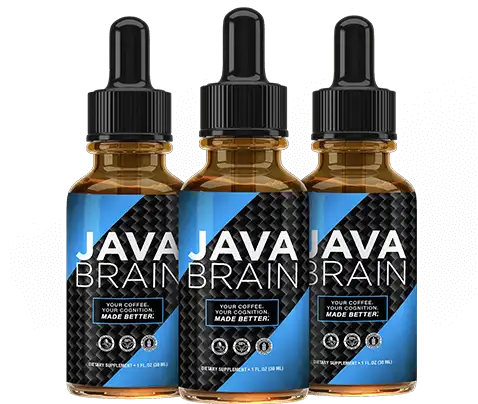
When choosing a PS supplement, look for products that specify the source (soy-derived or sunflower-derived, the latter being popular for those avoiding soy) and ensure they are from reputable manufacturers. The purity and bioavailability of the supplement are key to experiencing its full benefits. A comprehensive solution like Java Brain, which includes PS among other synergistic ingredients, offers a convenient way to ensure consistent, high-quality intake.
Synergistic Nutrients for Comprehensive Brain Health
While Phosphatidylserine is a powerhouse for memory and cognitive function, its effects are often amplified when combined with other natural compounds that support different aspects of brain health. A holistic approach to cognitive enhancement recognizes that multiple pathways contribute to optimal brain function. Here are some key synergistic ingredients often found alongside PS in advanced brain health formulas like Java Brain:

Bacopa Monnieri
Role: An adaptogenic herb renowned for its ability to enhance memory formation, learning speed, and recall. It works by improving synaptic communication and supporting neuronal growth.
Typical Dose: 150-300mg (standardized)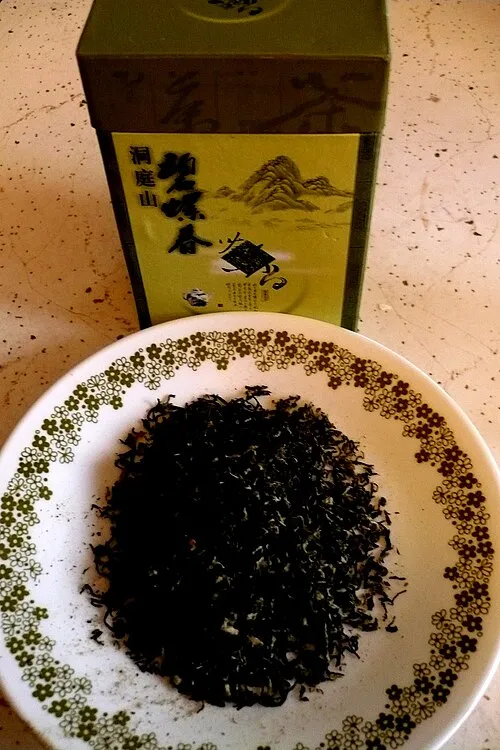
Green Tea Extract (EGCG)
Role: Rich in antioxidants and catechins like EGCG, it protects brain cells from oxidative stress and inflammation. It also contains L-Theanine, which promotes a state of calm focus and improved attention.
Typical Dose: 100-500mg (standardized)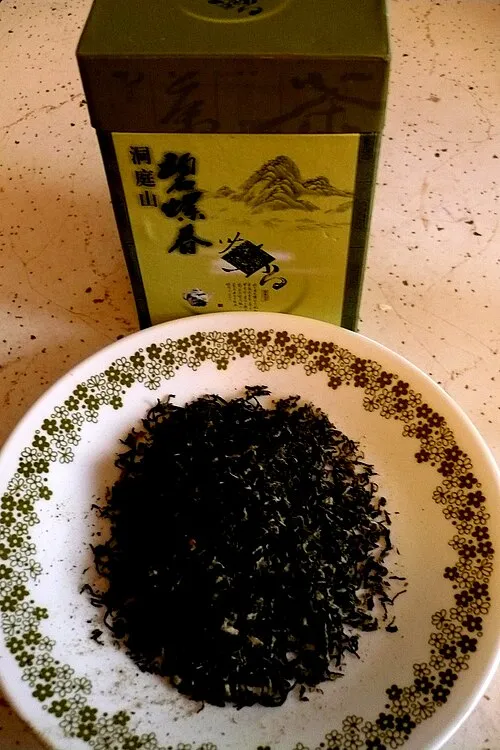
L-Theanine
Role: An amino acid found in green tea, known for promoting relaxation without drowsiness. It increases alpha brain waves, leading to enhanced focus, alertness, and reduced stress, balancing stimulant effects.
Typical Dose: 100-200mg
Lion's Mane Mushroom
Role: A powerful nootropic mushroom that supports nerve growth factor (NGF) production, essential for neuronal repair, growth, and overall brain health. It can improve memory, focus, and mood.
Typical Dose: 500-1000mg
Rhodiola Rosea
Role: An adaptogenic herb that helps the body adapt to stress, reducing mental and physical fatigue. It can improve cognitive performance, focus, and endurance during stressful situations.
Typical Dose: 200-600mg (standardized)
Vitamin B Complex
Role: Essential for numerous brain functions, including neurotransmitter synthesis, energy production, and nerve health. B vitamins like B6, B9 (folate), and B12 are crucial for reducing homocysteine levels, which can impact cognitive health.
Typical Dose: Daily RDIBy combining Phosphatidylserine with these complementary ingredients, supplements like Java Brain aim to provide a comprehensive strategy for brain health, addressing memory, focus, stress, and overall neuronal integrity. This multi-target approach is often more effective than relying on a single ingredient, offering a synergistic boost to cognitive performance and resilience against conditions like cognitive decline and brain fog. Furthermore, beyond PS, other compounds like Quercetin play a significant role in mitigating brain inflammation, a topic we delve into in Quercetin Benefits for Brain Inflammation.
Choosing a Quality PS Supplement and Integrating into a Holistic Strategy
When considering Phosphatidylserine supplementation, the quality of the product is paramount. Not all supplements are created equal, and choosing a reputable brand can significantly impact the effectiveness and safety of your regimen. Key factors to look for include the source of PS (soy-derived or sunflower-derived, with sunflower being a popular choice for those avoiding soy), purity, and whether the product undergoes third-party testing for contaminants and potency. A transparent label that clearly lists ingredients and dosages is also a good indicator of a trustworthy supplement.
A high-quality PS supplement will provide the optimal dosage for cognitive benefits without unnecessary fillers or artificial ingredients. Brands that adhere to Good Manufacturing Practices (GMP) ensure that their products are consistently produced and controlled according to quality standards appropriate for their intended use. For instance, Java Brain is committed to these standards, offering a natural and effective blend that includes PS, designed to support peak cognitive function.
However, supplementation with PS is most effective when integrated into a broader, holistic brain health strategy. A supplement, no matter how potent, cannot fully compensate for an unhealthy lifestyle. To truly maximize your brain's potential and combat cognitive decline and brain fog, consider these pillars:
- Balanced Diet: Focus on whole, unprocessed foods rich in antioxidants, omega-3 fatty acids, and vitamins. The Mediterranean diet, for example, is often cited for its brain-protective benefits.
- Regular Exercise: Physical activity increases blood flow to the brain, promotes the growth of new brain cells, and reduces inflammation. Even moderate exercise can have profound cognitive benefits.
- Adequate Sleep: Sleep is crucial for memory consolidation, waste removal from the brain, and overall cognitive restoration. Aim for 7-9 hours of quality sleep per night.
- Stress Management: Chronic stress is a significant contributor to brain fog and cognitive decline. Incorporate stress-reducing practices like meditation, mindfulness, yoga, or spending time in nature.
- Mental Stimulation: Keep your brain active by engaging in mentally challenging activities such as learning a new skill, reading, solving puzzles, or playing strategic games.
By combining a high-quality Phosphatidylserine supplement with these lifestyle practices, you create a powerful synergy that supports optimal brain health, enhances memory, improves focus, and provides robust protection against cognitive decline. While some seek quick fixes, a comprehensive approach is often best, distinguishing it from products explored in Java Brain vs. Other Nootropic Coffees.
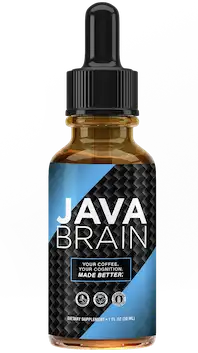
Ready to Reclaim Your Sharp Mind? Discover Java Brain!
If you're looking for a comprehensive solution that harnesses the power of Phosphatidylserine alongside other scientifically-backed nootropics, Java Brain offers a natural and effective path. Formulated with optimal dosages of ingredients proven to support memory, focus, and overall brain health, Java Brain is designed to help you combat brain fog and sharpen your cognitive edge.
- ✓ Contains Phosphatidylserine for memory & focus
- ✓ Synergistic blend of 7 powerful brain nutrients
- ✓ Supports mental clarity and reduces brain fog
- ✓ 100% natural, non-GMO, and stimulant-free
- ✓ Manufactured in a GMP-certified facility




What Our Customers Say
"I used to struggle with forgetting names and feeling foggy by midday. Since taking Java Brain, my memory is sharper, and I feel mentally clear and focused throughout the entire day. It's truly made a difference!"
"As a busy professional, brain fog was my constant companion. Java Brain has helped me regain my mental edge. I can concentrate better, my recall is faster, and I feel more productive without any jitters."
"I was skeptical at first, but the improvements in my memory and overall mental energy are undeniable. Java Brain is now a staple in my daily routine. My wife even noticed I'm more engaged in conversations!"
Frequently Asked Questions
What is Phosphatidylserine (PS) and why is it important for brain health?
+Phosphatidylserine (PS) is a naturally occurring phospholipid, a type of fat molecule, that is a crucial structural component of cell membranes, particularly abundant in the brain. It plays a vital role in maintaining the fluidity and permeability of neuronal membranes, which is essential for efficient cell-to-cell communication. Its importance stems from its involvement in neurotransmitter release, glucose metabolism, and the overall structural integrity required for optimal brain function, especially memory and learning.
How does PS help improve memory and combat cognitive decline?
+PS supports memory and combats cognitive decline through several mechanisms. It helps maintain the structural integrity and fluidity of brain cell membranes, facilitating faster and more efficient communication between neurons. PS is also involved in the production and release of neurotransmitters like acetylcholine, which is crucial for memory and learning. Furthermore, it helps optimize glucose utilization in the brain, providing essential energy for cognitive processes, and can reduce stress-induced cortisol levels that negatively impact memory.
Are there any natural food sources of Phosphatidylserine?
+Yes, Phosphatidylserine can be found in various foods, though typically in smaller amounts than what might be needed for therapeutic effects. Rich sources include soy lecithin, organ meats (like liver and kidney), fatty fish (such as mackerel and herring), and certain white beans. Smaller quantities are also present in green leafy vegetables, rice, and barley. However, obtaining optimal levels through diet alone can be challenging, especially for individuals experiencing significant cognitive concerns.
What is the recommended dosage for Phosphatidylserine supplementation?
+For general cognitive support and mild cognitive impairment, common dosages for Phosphatidylserine supplementation range from 100 mg to 300 mg per day, often divided into two or three doses. Studies on age-related cognitive decline have frequently used dosages of 100 mg three times daily. It's always best to consult with a healthcare professional to determine the appropriate dosage for your specific needs and health condition, as individual requirements can vary.
Are there any side effects or precautions when taking PS?
+Phosphatidylserine is generally considered safe and well-tolerated, with few reported side effects. Some individuals might experience mild digestive upset, such as stomach ache or nausea, especially at higher doses. It's important to note that PS can potentially interact with blood-thinning medications, so individuals on such medications should consult their doctor before starting PS. Pregnant or nursing women, and those with underlying medical conditions, should also seek medical advice prior to use.
How does Java Brain incorporate Phosphatidylserine and other brain-boosting ingredients?
+Java Brain is formulated with a blend of natural ingredients designed to support comprehensive cognitive function, including Phosphatidylserine. It combines PS with other synergistic nootropics like Bacopa Monnieri, Green Tea Extract (rich in L-Theanine), Lion's Mane Mushroom, and Rhodiola Rosea. This thoughtful combination aims to enhance memory, focus, mental clarity, and stress resilience, offering a holistic approach to combating brain fog and cognitive decline by targeting multiple pathways for brain health.
Related Articles
