Struggling with brain fog or memory lapses? Could a natural compound be the answer?
In an age where cognitive demands are constantly rising, maintaining optimal brain health is more crucial than ever. Many individuals experience the frustrating symptoms of cognitive decline and brain fog, impacting their daily lives and overall well-being. While various factors contribute to these challenges, chronic inflammation is increasingly recognized as a silent culprit, silently eroding our mental sharpness.
Fortunately, nature offers potent solutions. Among them, Quercetin stands out as a powerful flavonoid with remarkable antioxidant and anti-inflammatory properties, showing significant promise in supporting brain function and mitigating the effects of neuroinflammation, thereby offering a path to clearer thinking and improved memory.
Understanding Quercetin: Nature's Powerful Flavonoid
Quercetin is more than just a fancy name; it's a naturally occurring plant pigment, a type of flavonoid found in many fruits, vegetables, and grains. Renowned for its potent antioxidant and anti-inflammatory properties, Quercetin has been a subject of extensive scientific research for its wide range of health benefits, including its profound impact on cognitive function.
As a dietary flavonoid, Quercetin is abundant in foods like apples, berries, grapes, onions, broccoli, and green tea. Its characteristic yellow color is often indicative of its presence in these vibrant foods. For centuries, traditional medicine systems have leveraged the power of Quercetin-rich botanicals, though modern science is now uncovering the precise mechanisms behind its efficacy. It acts as a powerful scavenger of free radicals, unstable molecules that can cause cellular damage, including to delicate brain cells. This ability to neutralize oxidative stress is foundational to its neuroprotective effects.
Beyond its antioxidant capacity, Quercetin plays a crucial role in modulating various cellular signaling pathways involved in inflammation. By influencing these pathways, it can help to calm overactive immune responses that, when unchecked, can lead to chronic, low-grade inflammation throughout the body and specifically in the brain. Understanding this dual action of Quercetin — as both an antioxidant and an anti-inflammatory agent — is key to appreciating its potential in combating conditions like cognitive decline and brain fog.
💡 Key Takeaway
Quercetin is a prevalent flavonoid in many plant-based foods, celebrated for its robust antioxidant and anti-inflammatory capabilities. These properties are critical in protecting brain cells from damage and mitigating chronic inflammation, offering a natural pathway to enhanced cognitive health.
The Silent Threat: How Chronic Inflammation Impacts Your Brain
While acute inflammation is a vital part of the body's healing process, chronic inflammation is a different beast entirely. It's a persistent, low-grade inflammatory response that can silently damage tissues and organs over time, and the brain is particularly vulnerable. This phenomenon, known as neuroinflammation, is increasingly recognized as a significant contributor to cognitive decline, brain fog, and the progression of neurodegenerative diseases.
When the brain is subjected to chronic inflammation, microglial cells (the brain's immune cells) become overactive. Instead of protecting, they start releasing pro-inflammatory cytokines, reactive oxygen species, and other harmful compounds that can damage neurons, impair synaptic plasticity (the brain's ability to form new connections), and disrupt neurotransmitter balance. This cellular chaos manifests as symptoms like difficulty concentrating, memory problems, slowed processing speed, and a general feeling of mental fogginess.
Factors such as an unhealthy diet, chronic stress, lack of sleep, environmental toxins, and certain medical conditions can fuel systemic inflammation, which then readily crosses the blood-brain barrier to initiate or exacerbate neuroinflammation. This vicious cycle can accelerate age-related cognitive decline and make everyday tasks feel overwhelming. Therefore, strategies to effectively manage and reduce inflammation are paramount for preserving and enhancing brain health. Understanding how stress can damage your brain is also crucial for overall cognitive well-being. For more insights into mitigating these effects, consider reading our article on how stress destroys the brain and what to do.
💡 Key Takeaway
Chronic inflammation, particularly neuroinflammation, poses a significant threat to brain health by damaging neurons and impairing cognitive functions, leading to symptoms like brain fog and memory issues. Addressing this underlying inflammation is crucial for maintaining mental clarity and sharpness.
Quercetin's Multifaceted Benefits for Brain Health
Quercetin's impressive array of biological activities translates into several direct and indirect benefits for the brain, making it a compelling compound for cognitive support and neuroprotection.
Neuroprotective Properties
Quercetin actively protects brain cells (neurons) from damage caused by oxidative stress and inflammation. By neutralizing free radicals and reducing inflammatory responses, it helps preserve neuronal integrity and function, safeguarding against age-related decline and environmental stressors. This protection is vital for long-term cognitive resilience.
Supports Mitochondrial Function
Mitochondria are the "powerhouses" of our cells, especially critical in energy-intensive brain cells. Quercetin has been shown to enhance mitochondrial biogenesis and function, ensuring that brain cells have an adequate and efficient energy supply. Improved mitochondrial health directly translates to better cognitive performance, including focus and mental endurance.
Enhances Blood-Brain Barrier Integrity
The blood-brain barrier (BBB) is a critical protective shield for the brain. Inflammation and oxidative stress can compromise its integrity, allowing harmful substances to enter the brain. Quercetin helps strengthen the BBB, maintaining its selective permeability and preventing unwanted invaders from disrupting neural function. This is crucial for overall brain health and preventing neuroinflammation.
Modulates Neurotransmitter Systems
Emerging research suggests Quercetin can influence neurotransmitter levels and activity, including those involved in mood, memory, and learning. By supporting the balance of key brain chemicals like dopamine and serotonin, it can contribute to improved mood, reduced anxiety, and enhanced cognitive processing. This modulation can lead to a more balanced and effective brain.
Improved Memory and Learning
Through its combined actions of reducing inflammation, protecting neurons, and supporting mitochondrial health, Quercetin contributes to an environment conducive to optimal memory formation and recall. Studies in both animal models and preliminary human trials have indicated its potential to enhance learning capabilities and mitigate memory deficits associated with aging and stress.
Quercetin's Anti-Inflammatory Prowess: Directly Combating Brain Fog
Modulating Inflammatory Pathways
Quercetin doesn't just mask inflammation; it actively intervenes in the complex biochemical pathways that trigger and sustain it. It can inhibit the activity of key pro-inflammatory enzymes like COX-2 and 5-LOX, which are responsible for producing inflammatory mediators. Furthermore, it downregulates the expression of inflammatory genes by interfering with signaling molecules such as NF-κB, a master regulator of the inflammatory response. This precise modulation helps to dampen the inflammatory cascade throughout the body and specifically within the brain, reducing neuroinflammation that contributes to cognitive impairment.
Reducing Oxidative Stress
Oxidative stress and inflammation are two sides of the same coin, often exacerbating each other. Quercetin's potent antioxidant capabilities play a crucial role here. By scavenging reactive oxygen species (ROS) and enhancing the body's endogenous antioxidant defenses (like glutathione), it breaks the cycle of oxidative damage that fuels inflammation. In the brain, this means protecting delicate neural tissues from damage, which is essential for maintaining cognitive clarity and preventing the onset or progression of brain fog and age-related cognitive decline. A brain free from excessive oxidative stress functions more efficiently.
Supporting Immune System Balance
Beyond direct anti-inflammatory actions, Quercetin supports a balanced immune response. It can influence the activity of various immune cells, such as mast cells and macrophages, preventing them from overreacting and releasing excessive inflammatory compounds. This immune-modulating effect is particularly beneficial in the context of chronic inflammation, where the immune system is often stuck in an overdrive state. By promoting a more harmonious immune environment, Quercetin helps create optimal conditions for brain health, reducing the systemic burden that can spill over into neuroinflammation and impair cognitive function.
Practical Ways to Incorporate Quercetin and Optimize its Absorption
Harnessing the benefits of Quercetin begins with a diet rich in plant-based foods. While supplementation can offer concentrated doses, a foundational approach through whole foods is always recommended. Understanding where to find Quercetin and how to maximize its absorption is key.
Excellent dietary sources of Quercetin include: onions (especially red onions), apples (with the skin), berries (blueberries, cranberries, raspberries), grapes, cherries, citrus fruits, broccoli, kale, spinach, and green tea. Incorporating a variety of these foods daily ensures a consistent intake of this beneficial flavonoid. For example, adding berries to your breakfast, snacking on an apple, and including onions and broccoli in your meals can significantly boost your Quercetin intake.
However, Quercetin's bioavailability (how well your body absorbs and utilizes it) can be relatively low. To improve absorption, Quercetin is often combined with other compounds. For instance, consuming Quercetin-rich foods alongside healthy fats can aid absorption, as can pairing it with Vitamin C, which some studies suggest may enhance its stability and activity. Some supplements also include bromelain (an enzyme from pineapple) or liposomal formulations to improve absorption. When considering supplementation, look for products that address bioavailability to ensure you're getting the most out of your Quercetin intake. Always consult with a healthcare professional to determine appropriate dosages and forms, especially if you have underlying health conditions or are taking other medications.
💡 Key Takeaway
Integrate Quercetin-rich foods like berries, apples, and onions into your daily diet. To optimize absorption, consider pairing it with healthy fats or Vitamin C, and if supplementing, look for formulations designed for enhanced bioavailability. Always consult a doctor before starting new supplements.
Beyond Quercetin: A Holistic Approach with Synergistic Brain-Boosting Ingredients
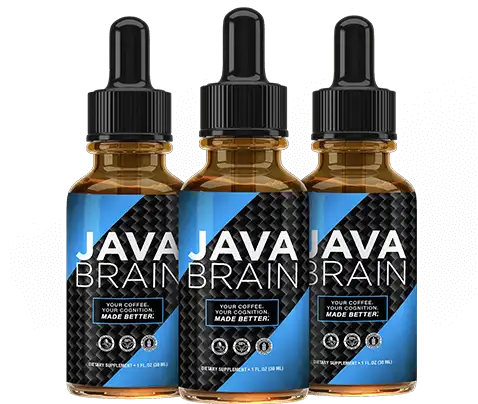
While Quercetin is a remarkable compound, optimal brain health often benefits from a multi-faceted approach. Many natural ingredients work synergistically to support various aspects of cognitive function, from memory and focus to mood and stress resilience. Java Brain leverages this principle by combining several potent, science-backed ingredients to offer comprehensive cognitive support.

Bacopa Monnieri
Role: An adaptogenic herb traditionally used in Ayurvedic medicine, Bacopa is renowned for its ability to enhance memory, improve cognitive processing, and reduce anxiety. It supports neural communication by promoting dendrite growth and increasing synaptic activity.
300-450mg extract
L-Theanine
Role: An amino acid found primarily in green tea, L-Theanine promotes a state of calm alertness. It helps reduce stress and anxiety without causing drowsiness, enhances focus, and can improve sleep quality. It works by increasing alpha brain waves and modulating neurotransmitters.
100-200mg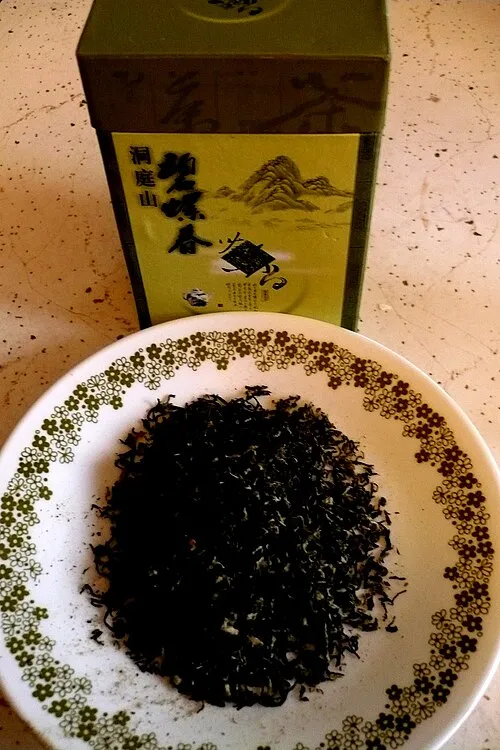
Green Tea Extract
Role: Rich in antioxidants and catechins, Green Tea Extract (often standardized for EGCG) offers neuroprotective benefits, supports cardiovascular health, and can improve brain function. Its synergy with L-Theanine is particularly beneficial for sustained focus and calm.
250-500mg
Lion's Mane Mushroom
Role: This medicinal mushroom is celebrated for its potential to stimulate nerve growth factor (NGF) production, which is crucial for the growth, maintenance, and survival of neurons. It supports cognitive function, memory, and may help protect against neurodegenerative conditions.
500-1000mg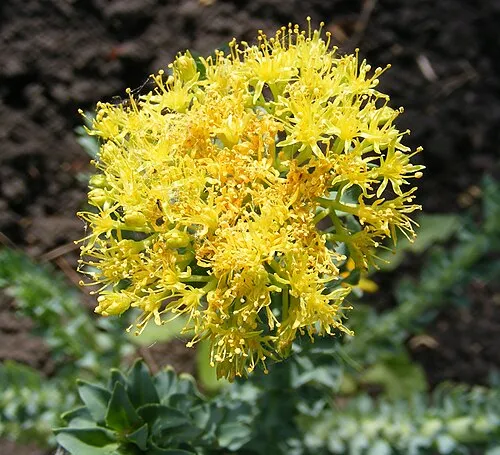
Rhodiola Rosea
Role: An adaptogenic herb that helps the body adapt to physical, chemical, and environmental stress. Rhodiola can reduce mental fatigue, improve concentration, and enhance mood. It's particularly useful for those experiencing brain fog due to stress or burnout.
200-400mg extract
Vitamin B Complex
Role: Essential for numerous metabolic processes in the brain, B vitamins (B6, B9, B12) play a critical role in neurotransmitter synthesis, energy production, and nerve function. Deficiencies can lead to brain fog and cognitive impairment, making comprehensive B vitamin support vital.
Full spectrum RDIThe Holistic Blueprint: Lifestyle Factors for Optimal Brain Health
While Quercetin and other natural supplements like those found in Java Brain can provide significant support, they are most effective when integrated into a holistic lifestyle that prioritizes brain health. Think of supplements as powerful allies, not sole solutions.
Nutrition: A balanced diet, rich in whole foods, antioxidants, and healthy fats, forms the bedrock of cognitive function. Emphasize fruits, vegetables, whole grains, lean proteins, and omega-3 fatty acids while limiting processed foods, excessive sugar, and unhealthy fats. These dietary choices directly impact inflammation levels and provide essential nutrients for brain cell function. For more ideas on enhancing your diet, explore our guide on how to improve brain health naturally.
Regular Exercise: Physical activity is a potent brain booster. It increases blood flow to the brain, stimulates the growth of new brain cells, and enhances the release of brain-derived neurotrophic factor (BDNF), a protein crucial for learning and memory. Aim for a combination of cardiovascular exercise and strength training.
Quality Sleep: During sleep, your brain actively clears toxins, consolidates memories, and repairs itself. Chronic sleep deprivation is a major contributor to brain fog and cognitive decline. Prioritize 7-9 hours of quality sleep per night, maintaining a consistent sleep schedule.
Stress Management: Chronic stress floods the brain with cortisol, which can damage the hippocampus (a region vital for memory). Incorporate stress-reducing practices such as meditation, yoga, deep breathing exercises, spending time in nature, or engaging in hobbies you enjoy. Managing stress is critical for preventing inflammation and preserving cognitive function.
Mental Stimulation: Keep your brain active and challenged. Learn new skills, read, solve puzzles, engage in stimulating conversations, or play musical instruments. Lifelong learning helps build cognitive reserve, making the brain more resilient to decline.
💡 Key Takeaway
Supplements are partners, not replacements, for a healthy lifestyle. Prioritize nutrient-dense foods, regular exercise, adequate sleep, effective stress management, and continuous mental stimulation to create an optimal environment for long-term brain health and cognitive vitality.
Who Can Benefit from Quercetin and Comprehensive Cognitive Support?
The widespread benefits of Quercetin, particularly its anti-inflammatory and neuroprotective actions, make it a valuable consideration for a broad spectrum of individuals seeking to optimize their brain health. Combined with a comprehensive nootropic formula like Java Brain, its reach extends even further.
Individuals experiencing brain fog, difficulty concentrating, or occasional memory lapses can find significant relief. This includes students facing demanding academic schedules, professionals navigating high-pressure work environments, or anyone feeling mentally sluggish. For those concerned about age-related cognitive decline, Quercetin offers protective benefits, while synergistic ingredients in Java Brain can actively support memory and processing speed. Furthermore, individuals with lifestyles that expose them to chronic stress or environmental toxins, which are known drivers of inflammation, may benefit from Quercetin's ability to mitigate these harmful effects. Athletes and physically active individuals might also find Quercetin beneficial for reducing exercise-induced inflammation, which can indirectly support cognitive recovery and focus. Ultimately, anyone looking to proactively support their long-term brain health and maintain mental sharpness can explore the advantages of Quercetin and a thoughtfully formulated supplement like Java Brain.
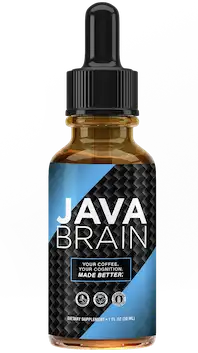
Ready to Reclaim Your Mental Clarity? Discover Java Brain.
You've learned about the incredible potential of Quercetin for combating inflammation and supporting brain health. Now, imagine combining that knowledge with a powerful, all-natural supplement designed to amplify your cognitive abilities. Java Brain offers a unique, scientifically-formulated blend of natural nootropics designed to support focus, memory, and overall cognitive function. While Quercetin is a powerful ally, a comprehensive approach often yields the best results. Java Brain combines several potent ingredients known for their synergistic effects on brain health, helping you combat brain fog and sharpen your mind.
- Supports sharper focus and concentration
- Enhances memory recall and learning
- Reduces mental fatigue and brain fog
- Promotes a positive mood and reduced stress
- Made with 100% natural, science-backed ingredients




What Our Customers Are Saying
"Java Brain has been a game-changer for my focus. I used to struggle with brain fog in the afternoons, but now I feel sharp and productive all day. It's like my brain finally woke up!"
"I was skeptical about supplements, but Java Brain proved me wrong. My memory has improved significantly, and I feel less stressed. It's truly a natural way to boost cognitive function."
"As a busy professional, mental clarity is paramount. Java Brain helps me stay on top of my game, reducing mental fatigue and keeping me focused during long workdays. Highly recommend!"
Frequently Asked Questions
What is Quercetin and how does it help the brain?
+Quercetin is a powerful flavonoid, a type of plant pigment with strong antioxidant and anti-inflammatory properties. For the brain, it helps protect neurons from oxidative stress, reduces neuroinflammation, supports mitochondrial function, and enhances the integrity of the blood-brain barrier, all of which contribute to improved cognitive function and protection against decline.
Can Quercetin really reduce brain inflammation?
+Yes, numerous studies suggest Quercetin's ability to modulate inflammatory pathways, including inhibiting pro-inflammatory enzymes and cytokines. This makes it highly effective in reducing systemic inflammation and, crucially, neuroinflammation, which is a key driver of brain fog and cognitive decline. By calming the inflammatory response in the brain, Quercetin can help restore optimal neuronal function.
How long does it take to see cognitive benefits from Quercetin?
+The timeline for experiencing cognitive benefits from Quercetin can vary widely among individuals, depending on factors such as dosage, individual biochemistry, lifestyle, and the severity of existing cognitive issues. Some people may notice subtle improvements in a few weeks, while for others, it might take several months of consistent supplementation to observe significant changes in focus, memory, or mental clarity.
Are there any side effects of taking Quercetin?
+Quercetin is generally considered safe for most people when taken at recommended dosages. Potential side effects are rare but can include mild stomach upset, headache, or tingling sensations in the extremities. High doses may interact with certain medications, such as antibiotics and blood thinners. It's always advisable to consult with a healthcare professional before starting any new supplement, especially if you have underlying health conditions or are on medication.
How does Java Brain complement the benefits of Quercetin?
+While Quercetin is a powerful anti-inflammatory and neuroprotective agent, Java Brain offers a synergistic blend of other well-researched nootropics and adaptogens like Bacopa Monnieri, L-Theanine, and Lion's Mane Mushroom. These ingredients work through different mechanisms to enhance memory, focus, mood, and stress resilience, providing a comprehensive approach to cognitive enhancement that can complement Quercetin's specific anti-inflammatory actions for overall brain health.
Is Java Brain suitable for everyone experiencing brain fog?
+Java Brain is formulated with natural ingredients known to support cognitive function and combat brain fog for many individuals. However, its suitability can depend on the underlying cause of your brain fog. While it's generally safe and effective for age-related cognitive decline, stress-induced fog, or general lack of focus, it's always recommended to consult your physician before starting any new supplement, particularly if your brain fog is severe or linked to a specific medical condition.
Related Articles