Are you seeking ways to sharpen your mind and protect your brain as you age?
In our fast-paced world, maintaining peak cognitive function and warding off mental fatigue has become a paramount concern for many. From the daily demands of work and life to the natural process of aging, our brains are constantly challenged. The quest for optimal brain health often leads us to explore various nutritional avenues, and among the most extensively researched are Omega-3 fatty acids, particularly Docosahexaenoic Acid (DHA).
Scientific studies consistently highlight the profound impact of these essential fats on brain structure and function, making them a cornerstone of nutritional strategies for cognitive vitality. Understanding what the research truly shows about Omega-3s and DHA can empower you to make informed decisions for your brain's future.
The Fundamental Role of Omega-3s in Brain Architecture
Our brains are astonishingly complex organs, and at their core, they are largely composed of fat. Specifically, fatty acids make up a significant portion of the brain's dry weight, and among these, Omega-3s are paramount.
Omega-3 fatty acids are a group of polyunsaturated fats essential for human health, meaning our bodies cannot produce them, and we must obtain them through diet or supplementation. The three main types relevant to human physiology are Alpha-Linolenic Acid (ALA), Eicosapentaenoic Acid (EPA), and Docosahexaenoic Acid (DHA). While ALA, found in plant sources like flaxseeds, is a precursor, EPA and especially DHA are the directly active forms crucial for brain health.
DHA, in particular, is the most abundant Omega-3 fatty acid in the brain and retina. It constitutes a major structural component of neuronal cell membranes, directly influencing their fluidity, flexibility, and signaling capabilities. This structural role is not merely passive; it actively impacts how brain cells communicate, how efficiently information is processed, and how resilient the brain is against stressors and aging. Without adequate DHA, cell membranes can become rigid, hindering optimal neurotransmission and potentially leading to impaired cognitive function.
Research indicates that DHA plays a critical role in neurogenesis (the birth of new brain cells) and synaptogenesis (the formation of new synapses, or connections between neurons). These processes are fundamental to learning, memory formation, and maintaining cognitive plasticity throughout life. Its presence is vital from fetal development through old age, underscoring its lifelong importance. Understanding these foundational roles helps us appreciate why scientists continue to explore its therapeutic potential for various neurological conditions, including cognitive decline and brain fog.
💡 Key Takeaway
Omega-3 fatty acids, especially DHA, are not just beneficial but fundamental to brain structure and function. They are critical for neuronal membrane health, efficient cell communication, and processes like neurogenesis and synaptogenesis, which underpin learning and memory.
DHA and EPA: The Scientific Evidence for Cognitive Benefits
Numerous studies over decades have explored the direct impact of DHA and EPA on various facets of cognitive function, from memory and learning to mood regulation and protection against neurodegeneration.
One of the most compelling areas of research focuses on memory and learning. DHA is concentrated in the hippocampus, the brain region largely responsible for memory formation. Studies show that higher levels of DHA are associated with better verbal fluency, improved memory recall, and enhanced learning abilities in both healthy individuals and those with mild cognitive impairment. For instance, a meta-analysis published in the *Journal of Alzheimer's Disease* highlighted that DHA supplementation could significantly improve episodic memory in older adults with age-related cognitive decline.
Beyond memory, Omega-3s, particularly EPA, are also recognized for their role in mood regulation and emotional well-being. They influence the synthesis and function of neurotransmitters like serotonin and dopamine, which are critical for mood stability. Research has linked lower Omega-3 levels to an increased risk of mood disorders, and supplementation has shown promise as an adjunctive therapy to improve symptoms of depression and anxiety, indirectly benefiting cognitive clarity and focus by reducing emotional distress.
The protective effects of Omega-3s against age-related cognitive decline are another significant area of investigation. As we age, our brains are susceptible to oxidative stress and inflammation, which can damage neurons and impair function. EPA and DHA possess potent anti-inflammatory and antioxidant properties, helping to shield brain cells from these damaging processes. Longitudinal studies have indicated that individuals with higher dietary intake or blood levels of Omega-3s tend to have a slower rate of cognitive decline and a reduced risk of developing neurodegenerative diseases such as Alzheimer's. This protective mechanism is vital for maintaining long-term brain health and preventing conditions like severe brain fog.
Furthermore, Omega-3s contribute to improved blood flow to the brain. They help maintain the health and elasticity of blood vessels, ensuring a robust supply of oxygen and nutrients to brain tissues. Optimal cerebral blood flow is essential for all cognitive processes, from attention and focus to complex problem-solving. Any disruption can manifest as brain fog or reduced mental acuity.
It's clear that the scientific community views Omega-3s, especially DHA and EPA, as indispensable nutrients for supporting a wide range of cognitive functions and safeguarding the brain against the challenges of aging and environmental stressors. Incorporating these fats into your diet or supplement regimen is a proactive step towards sustained mental vitality. For more detailed insights into dietary approaches, you might want to explore our article on best-foods-for-brain-health.html.
Addressing Cognitive Decline and Brain Fog with Omega-3s
Cognitive decline and brain fog are increasingly common complaints, characterized by difficulties with memory, focus, mental clarity, and overall processing speed. These conditions can significantly impact quality of life, but research suggests Omega-3s may offer a pathway to relief.
Reducing Neuroinflammation
Chronic inflammation in the brain is a key contributor to cognitive decline and brain fog. Omega-3s, particularly EPA, are powerful anti-inflammatory agents. They help regulate the body's inflammatory response, reducing the production of pro-inflammatory molecules that can damage neurons and disrupt brain function. By calming inflammation, Omega-3s create a healthier environment for brain cells to thrive, potentially alleviating symptoms of mental fogginess.
Enhancing Neurotransmitter Function
Neurotransmitters are the chemical messengers that allow brain cells to communicate. Imbalances in these chemicals can lead to issues with mood, memory, and focus. DHA and EPA are involved in the synthesis and function of several key neurotransmitters, including acetylcholine, which is vital for memory and learning. By optimizing neurotransmitter activity, Omega-3s can sharpen mental clarity and improve cognitive processing.
Protecting Against Oxidative Stress
Oxidative stress, caused by an imbalance between free radicals and antioxidants in the body, can lead to cellular damage in the brain. This damage is a significant factor in aging and neurodegenerative diseases, often manifesting as cognitive impairment. Omega-3s exhibit antioxidant properties, helping to neutralize harmful free radicals and protect brain cells from oxidative damage, thereby preserving cognitive function and reducing brain fog.
Supporting Brain Cell Structure and Communication
As discussed, DHA is a primary structural component of brain cell membranes. Healthy, fluid membranes are essential for efficient signal transmission between neurons. When cell membranes are compromised, communication slows down, contributing to brain fog and difficulties with mental processing. By ensuring optimal membrane health, Omega-3s facilitate faster, clearer cognitive function.
Improving Sleep Quality
Poor sleep is a well-known contributor to brain fog and cognitive impairment. Emerging research suggests a link between Omega-3 intake and improved sleep quality. Adequate levels of DHA may influence the production of melatonin, a hormone crucial for sleep regulation. Better sleep directly translates to enhanced cognitive performance, reduced fatigue, and clearer thinking during waking hours.

Sources of Omega-3s: Diet vs. Supplements
Obtaining sufficient Omega-3s is crucial, and understanding the best sources can help you make informed dietary and supplementation choices.
The primary and most potent dietary sources of EPA and DHA are fatty fish. Salmon, mackerel, sardines, herring, anchovies, and tuna are excellent examples. The American Heart Association recommends eating at least two servings of fatty fish per week. These fish accumulate Omega-3s from the algae they consume, making them direct and rich sources. Incorporating these into your diet regularly can significantly boost your Omega-3 intake.
For individuals who don't consume fish, or those following vegetarian and vegan diets, plant-based sources of ALA are available. These include flaxseeds, chia seeds, walnuts, and certain plant oils like flaxseed oil and canola oil. While beneficial, the body's conversion of ALA to EPA and DHA is often inefficient, with conversion rates varying widely among individuals, typically ranging from less than 1% for DHA. This makes it challenging to meet optimal EPA/DHA levels solely from ALA sources.
This is where Omega-3 supplements come into play. Fish oil supplements are the most common, providing concentrated doses of EPA and DHA. When choosing a fish oil supplement, look for products that are third-party tested for purity, potency, and absence of heavy metals like mercury. Algae-based DHA supplements are an excellent alternative for vegetarians and vegans, as they provide DHA directly from the original source without relying on fish.
The recommended daily intake of combined EPA and DHA for most healthy adults is typically around 250-500 mg. However, for specific health concerns such as cognitive decline, mood support, or during pregnancy, higher doses may be recommended by a healthcare professional. Always consult with your doctor before starting any new supplement regimen to determine the appropriate dosage for your individual needs and to ensure it doesn't interact with any existing medications or conditions.
Beyond Omega-3s: A Holistic Approach to Brain Health
Balanced Nutrition
While Omega-3s are crucial, a truly brain-healthy diet extends beyond them. Incorporate a wide array of fruits, vegetables, whole grains, and lean proteins. Antioxidant-rich berries, leafy greens, and nuts provide essential vitamins and minerals that protect brain cells and support overall cognitive function. Hydration is also key; even mild dehydration can impair focus and lead to brain fog.
Regular Physical Activity
Exercise isn't just good for your body; it's phenomenal for your brain. Physical activity increases blood flow to the brain, promoting the growth of new brain cells and improving connectivity. It also reduces inflammation and stress hormones, both of which can negatively impact cognition. Aim for a mix of aerobic and strength training exercises to keep your mind sharp and combat brain fog effectively.
Mental Stimulation
Just like muscles, your brain needs regular workouts to stay strong. Engage in mentally challenging activities such as reading, learning a new language, playing musical instruments, solving puzzles, or strategic games. These activities help create new neural pathways, improve memory, and enhance cognitive reserve, making the brain more resilient against decline. Lifelong learning is a powerful tool for brain longevity.
Quality Sleep and Stress Management
Adequate, restorative sleep is non-negotiable for brain health. During sleep, the brain consolidates memories, clears out metabolic waste products, and repairs itself. Chronic sleep deprivation directly contributes to brain fog, poor memory, and reduced focus. Similarly, chronic stress can damage brain cells and impair cognitive function. Implementing stress-reduction techniques like meditation, yoga, or spending time in nature is vital for protecting your brain.
Complementary Brain Support: Key Ingredients in Java Brain
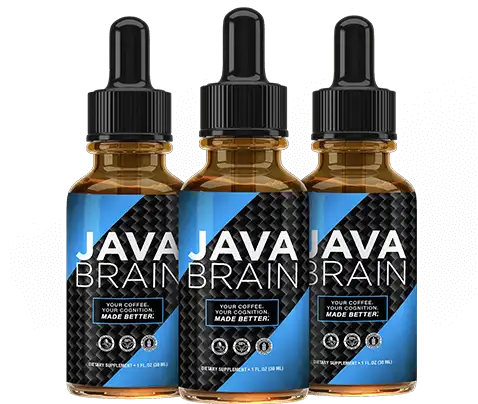
While Omega-3s are foundational, a comprehensive approach to brain health often involves a synergistic blend of natural nootropic ingredients. Java Brain is formulated with several such ingredients, each carefully selected for its scientifically backed cognitive benefits.

Bacopa Monnieri
Role: An ancient Ayurvedic herb known for its memory-enhancing and stress-reducing properties. It helps improve cognitive function, particularly memory recall and retention, by supporting synaptic activity and promoting neuronal communication. Bacopa is also an adaptogen, helping the brain cope with stress and anxiety, which can often contribute to brain fog.
Typical Dose: 300-450mg
L-Theanine
Role: An amino acid found primarily in green tea, L-Theanine is renowned for its ability to induce a state of calm focus without causing drowsiness. It promotes alpha brain wave activity, which is associated with a relaxed yet alert mental state. This helps to reduce mental chatter, improve attention span, and enhance cognitive performance, making it excellent for combating distractions and improving clarity.
Typical Dose: 100-200mg
Green Tea Extract
Role: Rich in antioxidants, particularly EGCG (Epigallocatechin gallate), Green Tea Extract protects brain cells from oxidative damage. It also contains L-Theanine and a small amount of caffeine, which together provide a smooth, sustained boost in energy and focus without the jitters associated with high caffeine intake. It supports overall brain health and neuroprotection.
Typical Dose: 250-500mg
Lion's Mane Mushroom
Role: A powerful nootropic mushroom that supports nerve growth factor (NGF) in the brain. NGF is crucial for the growth, maintenance, and survival of neurons. Lion's Mane has been studied for its potential to improve cognitive function, memory, and focus, as well as to alleviate symptoms of mild cognitive impairment and nerve damage. It's a key ingredient for neurogenesis.
Typical Dose: 500-1000mg
Rhodiola Rosea
Role: An adaptogenic herb that helps the body adapt to physical, chemical, and environmental stress. It is known to reduce mental and physical fatigue, improve focus, and enhance cognitive performance under stressful conditions. Rhodiola supports neurotransmitter balance and energy metabolism in the brain, making it excellent for sustained mental endurance and clarity, especially when battling brain fog.
Typical Dose: 200-600mg
Vitamin B Complex
Role: A group of essential vitamins (B6, B9, B12) crucial for numerous brain functions. They play a vital role in energy production, neurotransmitter synthesis, and nerve cell maintenance. B vitamins help reduce homocysteine levels, which, when elevated, are linked to cognitive decline. Adequate B vitamin intake is fundamental for optimal brain metabolism and preventing neurological issues.
Typical Dose: Various B vitaminsBy combining these powerful ingredients, Java Brain offers a holistic approach to cognitive enhancement. While Omega-3s lay the structural foundation, these nootropics optimize various aspects of brain function, from memory and focus to stress resilience and neuroprotection. For more insights into specific herbs like Bacopa, you can read our article on top-nootropic-herbs-bacopa-ashwagandha.html. Considering a comprehensive solution? Our guide on best-brain-health-supplement.html might also be helpful.

Ready to Experience Enhanced Focus and Clarity?
While Omega-3s are crucial for foundational brain health, Java Brain provides targeted support for daily cognitive demands. Its unique blend of natural nootropics works synergistically to sharpen your focus, improve memory, and banish brain fog, helping you perform at your best.
- ✓ Boosts Focus and Concentration
- ✓ Enhances Memory Recall and Retention
- ✓ Reduces Brain Fog and Mental Fatigue
- ✓ Supports Neurotransmitter Balance
- ✓ Made with 100% Natural Ingredients




What Our Customers Are Saying
"Since incorporating more Omega-3s and using Java Brain, I've noticed a significant improvement in my focus and memory. The brain fog I used to experience daily has lifted, and I feel much sharper. It's truly transformative!"
"I was skeptical at first, but the research on DHA convinced me to try. Adding Java Brain to my routine made a noticeable difference. My cognitive recall is better, and I feel more mentally resilient. Highly recommend focusing on these vital nutrients for brain health."
"As someone prone to cognitive decline in my family, I'm proactive. Omega-3s have been a game-changer, and Java Brain complements it perfectly. My neurologist even commented on my improved cognitive scores. It's not just about memory; it's about overall mental clarity."
Frequently Asked Questions
What exactly are Omega-3 fatty acids and why are they important for the brain?
+Omega-3 fatty acids are a type of polyunsaturated fat essential for human health, particularly for brain function. The three main types are ALA (alpha-linolenic acid), EPA (eicosapentaenoic acid), and DHA (docosahexaenoic acid). DHA is the most abundant Omega-3 in the brain and is a critical structural component of brain cell membranes, playing a vital role in cell communication, neurogenesis, and overall cognitive function.
How does DHA specifically benefit cognitive function and memory?
+DHA is crucial for maintaining the fluidity and integrity of neuronal membranes, which is essential for efficient nerve signal transmission. Research indicates that adequate DHA levels are linked to improved memory, learning capabilities, and cognitive processing speed. It also supports the production of brain-derived neurotrophic factor (BDNF), which promotes the growth and survival of brain cells, thereby enhancing synaptic plasticity and overall brain health.
Can Omega-3s help with cognitive decline and brain fog?
+Yes, a growing body of research suggests that Omega-3s, especially DHA and EPA, can be beneficial in mitigating cognitive decline and reducing symptoms of brain fog. They possess anti-inflammatory and antioxidant properties that protect brain cells from damage, which is often implicated in age-related cognitive issues. By supporting neuronal health and reducing inflammation, Omega-3s can help improve mental clarity, focus, and overall cognitive performance.
What are the best dietary sources of Omega-3s and DHA?
+The richest dietary sources of EPA and DHA are fatty fish such as salmon, mackerel, sardines, tuna, and herring. For those following a vegetarian or vegan diet, ALA can be found in flaxseeds, chia seeds, walnuts, and some plant oils. The body can convert ALA into EPA and DHA, but this conversion is often inefficient. Algae-based supplements are an excellent direct source of DHA for non-fish eaters.
What is a recommended daily dosage of Omega-3s for brain health?
+While there isn't a universally agreed-upon single dosage, most health organizations recommend a daily intake of at least 250-500 mg of combined EPA and DHA for healthy adults. For specific cognitive concerns or during pregnancy, higher doses may be recommended under medical supervision. It's always best to consult with a healthcare professional to determine the appropriate dosage for your individual needs.
How does Java Brain complement Omega-3 supplementation for overall brain health?
+While Java Brain does not contain Omega-3s directly, it offers a synergistic blend of natural nootropic ingredients like Bacopa Monnieri, L-Theanine, and Lion's Mane Mushroom, which are scientifically recognized for supporting various aspects of cognitive function, including memory, focus, and mental clarity. It works hand-in-hand with a healthy diet rich in Omega-3s to provide comprehensive brain support, addressing multiple pathways for optimal cognitive performance and combating brain fog.
Related Articles