Are you looking to sharpen your mind and boost your cognitive performance?
In our fast-paced world, maintaining optimal brain health is more crucial than ever. Many people experience frustrating symptoms like brain fog, memory lapses, and difficulty concentrating, which can significantly impact daily life and productivity. The good news is that your diet plays a monumental role in the health and performance of your brain.
Just as you fuel your body for physical activity, your brain requires specific nutrients to function at its best. By making conscious dietary choices, you can effectively combat cognitive decline and brain fog, paving the way for a future filled with enhanced mental clarity and improved recall. Embracing a neuro-optimized nutrition strategy is a powerful step towards unlocking your brain's full potential.
The Brain-Diet Connection: Why What You Eat Matters
Your brain is an incredibly complex organ, constantly working to process information, manage emotions, and coordinate every movement. It consumes a disproportionate amount of your body's energy and nutrients, making its diet critically important. Without proper nourishment, brain cells can struggle to communicate effectively, leading to issues like brain fog, poor memory, and reduced focus.
A diet rich in specific nutrients can protect your brain from oxidative stress, reduce inflammation, and support the growth of new brain cells. Conversely, a diet high in processed foods, sugar, and unhealthy fats can accelerate cognitive decline and exacerbate symptoms of brain fog. Understanding this fundamental connection empowers you to make proactive choices for your long-term cognitive health. It's not just about avoiding 'bad' foods; it's about actively incorporating 'good' foods that act as building blocks and protectors for your most vital organ.
💡 Key Takeaway
Your dietary choices directly impact your brain's structure and function. Prioritizing nutrient-dense foods is essential for preventing cognitive decline, reducing brain fog, and enhancing overall mental performance.
Top Food Categories for Superior Brain Health
Let's dive into the specific food groups that are scientifically proven to support and enhance cognitive function. Incorporating these into your daily meals can make a profound difference.
1. Omega-3 Fatty Acids: The Brain's Best Friend
Omega-3 fatty acids, particularly docosahexaenoic acid (DHA), are crucial building blocks for brain cells. About 60% of your brain is fat, and half of that fat is Omega-3. These essential fats are vital for memory, learning, and overall cognitive performance. They also have potent anti-inflammatory properties, protecting the brain from damage and aging. Studies consistently show a link between higher Omega-3 intake and a reduced risk of cognitive decline and neurodegenerative diseases.
- Fatty Fish: Salmon, mackerel, tuna, herring, and sardines are excellent sources of DHA and EPA. Aim for at least two servings per week.
- Nuts and Seeds: Walnuts, flaxseeds, and chia seeds provide alpha-linolenic acid (ALA), a plant-based Omega-3 that the body can convert into DHA and EPA, though less efficiently.
- Fortified Foods: Some eggs, yogurts, and milk are fortified with Omega-3s.
2. Antioxidant-Rich Fruits and Vegetables: Shielding Your Brain
The brain is highly susceptible to oxidative stress, which occurs when there's an imbalance between free radicals and antioxidants. Oxidative stress can damage brain cells and contribute to cognitive decline and brain fog. Antioxidants neutralize these harmful free radicals, protecting your brain and supporting its long-term health. A vibrant array of colorful fruits and vegetables ensures a broad spectrum of these protective compounds.
- Berries: Blueberries, strawberries, raspberries, and blackberries are packed with anthocyanins and other flavonoids that improve memory and slow age-related cognitive decline.
- Dark Leafy Greens: Spinach, kale, and collard greens are rich in vitamin K, lutein, folate, and beta-carotene, all linked to brain health. They can help slow cognitive decline.
- Cruciferous Vegetables: Broccoli, cauliflower, and Brussels sprouts contain powerful antioxidants and anti-inflammatory compounds.
- Citrus Fruits: Oranges, grapefruits, and lemons are excellent sources of Vitamin C, a powerful antioxidant that supports brain health and protects against cellular damage.
3. Whole Grains: Sustained Energy for Mental Performance
Your brain needs a steady supply of glucose for energy. Whole grains provide complex carbohydrates that release glucose slowly into the bloodstream, ensuring a stable energy supply for optimal brain function without the spikes and crashes associated with refined sugars. This sustained energy helps maintain focus and prevents brain fog.
- Oats: A great source of soluble fiber, oats help stabilize blood sugar levels.
- Brown Rice: Provides essential B vitamins and magnesium, supporting nerve function.
- Quinoa: A complete protein and rich in fiber, it offers sustained energy and amino acids.
- Whole-Wheat Bread/Pasta: Opt for truly whole grain options over refined versions.
4. Legumes: Fueling Neurotransmitters
Legumes like beans and lentils are excellent sources of folate, a B vitamin critical for brain health. Folate is involved in the synthesis of neurotransmitters, which are the chemical messengers of the brain. They also provide fiber, which helps regulate blood sugar, preventing energy dips that can lead to brain fog.
- Lentils: Rich in folate and iron, essential for oxygen transport to the brain.
- Black Beans: Contain magnesium, known to support nerve function and memory.
- Chickpeas: Provide choline, a precursor to acetylcholine, a neurotransmitter important for memory and learning.
5. Nuts and Seeds: A Powerhouse of Brain-Boosting Nutrients
Beyond Omega-3s, nuts and seeds offer a wealth of vitamins, minerals, and healthy fats that are beneficial for brain health. They are convenient snacks that can provide a quick boost to your cognitive function.
- Walnuts: Unique among nuts for their high Omega-3 content and polyphenols, which are antioxidants. Often called a "brain food" due to their brain-like shape.
- Almonds: Rich in Vitamin E, which helps protect brain cells from oxidative stress and may reduce the risk of cognitive decline.
- Pumpkin Seeds: Excellent source of zinc, magnesium, copper, and iron – all crucial for nerve signaling, memory, and combating brain fog.
- Sunflower Seeds: High in Vitamin E and choline.
6. Green Tea: L-Theanine and Antioxidants for Calm Focus
Green tea is more than just a refreshing beverage; it's a potent brain tonic. It contains caffeine, which can improve alertness, but also L-Theanine, an amino acid that works synergistically with caffeine to promote a calm, focused state without the jitters. Green tea is also loaded with antioxidants, particularly EGCG, which has neuroprotective effects.
For those interested in how specific ingredients contribute to mental clarity, you might find our article on Java Brain Ingredients: L-Theanine, Ginkgo, Quercetin particularly insightful. It delves deeper into the science behind these powerful compounds.
7. Dark Chocolate: Flavonoids for Improved Blood Flow
Good news for chocolate lovers! Dark chocolate (with at least 70% cocoa solids) is packed with flavonoids, which are powerful antioxidants. These compounds can improve blood flow to the brain, enhancing memory, attention, and problem-solving skills. They also stimulate the production of endorphins, boosting mood.
- Choose dark chocolate with high cocoa content and low sugar.
- Enjoy in moderation as part of a balanced diet.
8. Eggs: Choline and B Vitamins for Cognitive Health
Eggs are a versatile and nutrient-dense food, especially beneficial for brain health. They are an excellent source of choline, a precursor to acetylcholine, a neurotransmitter critical for memory and learning. Eggs also provide B vitamins (B6, B12, and folate) which are essential for nerve function and reducing homocysteine levels, an amino acid linked to cognitive decline when elevated.
- Choline: Essential for cell membrane structure and neurotransmitter production.
- B Vitamins: Support energy production in brain cells and help regulate mood.
9. Turmeric: The Golden Spice for Brain Protection
Turmeric, a vibrant yellow spice commonly used in curry, contains curcumin, a compound with powerful anti-inflammatory and antioxidant properties. Curcumin has been shown to cross the blood-brain barrier and has been linked to improved memory and mood. It may also help clear amyloid plaques, which are hallmarks of Alzheimer's disease.
- Combine turmeric with black pepper to enhance curcumin absorption.
- Add to curries, soups, or smoothies.
The Science-Backed Benefits of Brain-Boosting Nutrition
Beyond simply avoiding deficiencies, a strategically chosen diet can actively enhance various aspects of your cognitive function. Here's how these brain-healthy foods work synergistically to empower your mind.
Enhanced Memory and Recall
Foods rich in Omega-3s, antioxidants, and choline directly support the formation and retention of memories. They strengthen synaptic connections and protect neurons, making it easier to recall information and learn new things, effectively combating age-related memory loss.
Sharper Focus and Concentration
A steady supply of glucose from whole grains, combined with neuro-modulating compounds like L-Theanine from green tea, helps maintain stable energy levels and promotes alpha brain wave activity. This leads to improved sustained attention and the ability to concentrate for longer periods without mental fatigue or brain fog.
Reduced Inflammation and Oxidative Stress
Antioxidants from berries and dark chocolate, along with anti-inflammatory compounds in turmeric and fatty fish, actively combat cellular damage. This protection is vital for preserving brain structure and function, preventing the chronic inflammation often associated with cognitive decline.
Improved Mood and Emotional Regulation
Certain nutrients, including B vitamins, Omega-3s, and magnesium, play key roles in neurotransmitter synthesis and function, impacting mood. A well-nourished brain is better equipped to regulate emotions, reduce symptoms of anxiety, and enhance overall mental well-being.
Neuroprotection and Longevity
The cumulative effect of these brain-boosting foods provides a powerful neuroprotective shield. They support neurogenesis (the creation of new brain cells), enhance synaptic plasticity, and protect against environmental toxins, contributing to long-term brain health and resilience against age-related cognitive decline.
Enhanced Problem-Solving and Critical Thinking
Optimal brain nutrition ensures that all cognitive processes, from information processing to complex decision-making, operate at peak efficiency. Improved blood flow, stable energy, and robust neural connections empower you to tackle challenges with greater clarity and effectiveness.

Beyond Food: Lifestyle Factors for Optimal Brain Health
While diet is foundational, a holistic approach to brain health integrates several other crucial lifestyle factors. These elements work in concert with your nutrition to create an environment where your brain can truly thrive, mitigating factors that contribute to cognitive decline and brain fog.
Quality Sleep
Adequate sleep is non-negotiable for brain health. During sleep, your brain consolidates memories, clears out metabolic waste products (including amyloid-beta proteins linked to Alzheimer's), and repairs itself. Chronic sleep deprivation severely impairs cognitive functions, leading to reduced focus, poor memory, and exacerbated brain fog.
Regular Physical Activity
Exercise isn't just good for your body; it's fantastic for your brain. Physical activity increases blood flow to the brain, delivering oxygen and nutrients, and stimulating the release of growth factors that support the survival and growth of brain cells. It can improve memory, reduce inflammation, and even promote neurogenesis in key brain regions.
Mental Stimulation
Just like muscles, your brain needs to be challenged to stay strong. Engaging in mentally stimulating activities – learning a new language, playing an instrument, solving puzzles, reading complex books, or developing new skills – creates new neural pathways and strengthens existing ones. This cognitive reserve helps protect against age-related decline.
Stress Management
Chronic stress can be incredibly detrimental to brain health. It floods your system with cortisol, which can damage brain cells, particularly in the hippocampus (a region critical for memory). Practicing stress-reduction techniques like meditation, yoga, deep breathing, or spending time in nature is vital for preserving cognitive function and preventing stress-induced brain fog.
Social Engagement
Maintaining strong social connections is surprisingly beneficial for brain health. Social interaction challenges your brain, requires processing complex information, and provides emotional support. Studies show that individuals with active social lives tend to have a lower risk of cognitive decline compared to those who are more isolated.
Key Natural Ingredients for Cognitive Support (Found in Java Brain)
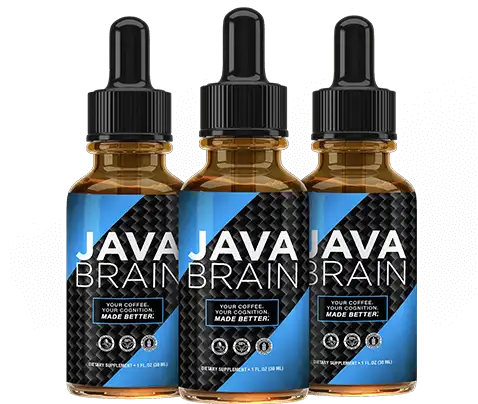
While a healthy diet forms the bedrock of cognitive well-being, certain natural compounds, often referred to as nootropics, can offer targeted support for specific brain functions. These ingredients, carefully selected for their scientifically-backed benefits, can be powerful allies in your quest for enhanced mental performance. Many of these are found in premium cognitive supplements like Java Brain, designed to work in synergy with your dietary efforts.

Bacopa Monnieri
Role: An adaptogenic herb used in traditional Ayurvedic medicine to enhance memory, reduce anxiety, and improve cognitive processing. It supports neuroplasticity and neural communication.
Typical Dose: 300-450mg extract
L-Theanine
Role: An amino acid found in green tea, known for promoting relaxation without drowsiness. It enhances alpha brain waves, leading to a state of calm focus, and can improve attention and cognitive performance, especially when combined with caffeine.
Typical Dose: 100-200mg
Lion's Mane Mushroom (Hericium erinaceus)
Role: A medicinal mushroom revered for its neurotrophic properties. It stimulates the production of Nerve Growth Factor (NGF), which is crucial for the growth, maintenance, and survival of neurons. It's linked to improved memory, focus, and nerve regeneration.
Typical Dose: 500-1000mg extract
Rhodiola Rosea
Role: Another powerful adaptogenic herb that helps the body adapt to stress. It reduces mental fatigue, improves mood, and enhances cognitive performance under stressful conditions by balancing neurotransmitters and reducing cortisol levels.
Typical Dose: 200-600mg extract
Green Tea Extract (EGCG)
Role: Concentrated polyphenols, particularly EGCG, from green tea provide potent antioxidant and anti-inflammatory benefits. It supports brain blood flow, neuroprotection, and can enhance various aspects of cognitive function, including working memory.
Typical Dose: 250-500mg
Vitamin B Complex (B6, B9, B12)
Role: Essential for countless enzymatic reactions in the brain. They are crucial for neurotransmitter synthesis, energy production, and reducing homocysteine levels, which, when elevated, are associated with cognitive impairment and decline.
Typical Dose: Varies by vitaminThese ingredients, often found in well-formulated supplements, offer a convenient way to ensure your brain receives targeted support alongside your healthy eating habits. They can be particularly beneficial for addressing specific concerns like persistent brain fog or a desire for sharper mental acuity. To learn more about how supplements can integrate into your routine, consider reading about Morning Brain Supplement with Coffee.

Don't Let Brain Fog Hold You Back Any Longer
You've learned about the incredible power of nutrition for your brain. Now, imagine combining those dietary insights with a potent, all-natural supplement designed to amplify your cognitive abilities. Java Brain is formulated with clinically-backed nootropic ingredients to provide comprehensive support for your mental performance, helping you achieve lasting clarity, focus, and memory.
- ✓ Enhances Focus & Concentration
- ✓ Supports Memory & Learning
- ✓ Reduces Brain Fog & Mental Fatigue
- ✓ Boosts Mental Energy & Alertness
- ✓ Promotes Neuroprotection & Brain Longevity




What Our Users Say About Their Enhanced Cognitive Clarity
"Before Java Brain, I struggled with daily brain fog and could barely focus on tasks. Now, I feel sharper, my memory is improving, and I can concentrate for hours. It's truly changed my work and my daily life!"
"I was skeptical, but the difference is undeniable. My energy levels are up, and I no longer feel mentally drained by midday. My thoughts are clearer, and I'm tackling complex problems with ease. This is a game-changer for anyone experiencing cognitive decline."
"As a student, focus is everything. Java Brain has helped me stay on top of my studies, remember lecture details, and feel less overwhelmed. The natural ingredients give me peace of mind. Highly recommend!"
Frequently Asked Questions
What are the best foods to enhance memory?
+Foods rich in Omega-3 fatty acids like salmon and walnuts, antioxidants from berries, and B vitamins found in leafy greens and eggs are excellent for memory enhancement. These nutrients support neural pathways and protect brain cells from damage.
Can diet really help with brain fog and cognitive decline?
+Absolutely. A balanced diet rich in anti-inflammatory foods, antioxidants, and essential fatty acids can significantly reduce brain fog symptoms and slow the progression of cognitive decline. Avoiding processed foods and excessive sugar is also crucial.
How do antioxidants benefit brain health?
+Antioxidants combat oxidative stress, which is a major contributor to brain aging and neurodegenerative diseases. By neutralizing free radicals, they protect brain cells, reduce inflammation, and support overall cognitive function and cellular longevity.
Are there specific vitamins that are crucial for brain function?
+Yes, B vitamins (B6, B9, B12) are vital for nerve function, neurotransmitter synthesis, and reducing homocysteine levels, which can impact cognitive health. Vitamin E and Vitamin K are also important for their neuroprotective properties and blood clotting.
What role do Omega-3 fatty acids play in cognitive function?
+Omega-3s, particularly DHA, are structural components of brain cell membranes. They are essential for brain development, maintaining brain cell fluidity, supporting synaptic plasticity, and reducing inflammation, all of which are critical for memory, learning, and mood regulation.
How does Java Brain complement a brain-healthy diet?
+Java Brain is designed to complement a healthy diet by providing a concentrated blend of scientifically-backed nootropic ingredients like L-Theanine, Bacopa Monnieri, and Lion's Mane Mushroom. These ingredients work synergistically to support focus, memory, and energy, enhancing the benefits you gain from a nutrient-rich diet.
Related Articles