Are You Experiencing Brain Fog, Memory Lapses, or Difficulty Concentrating?
Many people dismiss occasional forgetfulness or a lingering mental haziness as normal signs of aging or daily stress. However, these seemingly minor cognitive issues can often be red flags, signaling a deeper, more pervasive problem: chronic inflammation.
This article will delve into the intricate relationship between inflammation and your brain, revealing how a silent, persistent inflammatory response can gradually erode your cognitive function, impair your memory, and leave you feeling mentally exhausted. We'll explore the science behind neuroinflammation, its common triggers, and effective strategies to protect your most vital organ.
Understanding Inflammation: A Double-Edged Sword
Inflammation is a natural and essential part of your body's immune response. It's the protective mechanism that helps heal injuries, fight off infections, and repair damaged tissues. When you cut your finger, the redness, swelling, and pain are all signs of acute inflammation doing its job.
This type of inflammation is typically short-lived and beneficial. However, problems arise when inflammation becomes chronic – a persistent, low-grade immune response that lingers for weeks, months, or even years. Unlike its acute counterpart, chronic inflammation is a silent, insidious force that can progressively damage healthy tissues and organs throughout your body, including your brain.
The Silent Threat: How Chronic Inflammation Invades Your Brain
For a long time, the brain was thought to be an "immune-privileged" organ, isolated from the body's immune system by the blood-brain barrier (BBB). While the BBB does offer significant protection, it's not impenetrable. Chronic inflammation in the body can compromise the integrity of the BBB, allowing inflammatory molecules and immune cells to infiltrate the brain. Once inside, these elements can trigger a localized inflammatory response known as neuroinflammation.
Neuroinflammation isn't always bad; it's the brain's way of responding to injury or infection. However, when it becomes chronic, it shifts from a protective mechanism to a destructive one. Specialized immune cells in the brain, primarily microglia and astrocytes, become overactive. Instead of cleaning up debris and promoting repair, they start releasing pro-inflammatory cytokines and neurotoxic substances, leading to a hostile environment for neurons.
The Devastating Impact on Memory and Cognitive Function
The consequences of chronic neuroinflammation are far-reaching, directly impacting crucial brain regions responsible for memory, learning, and executive functions. Here’s how:
- Hippocampal Damage: The hippocampus is a vital brain structure for learning and memory formation. Chronic inflammation can cause damage to hippocampal neurons, impairing your ability to form new memories and recall existing ones. This often manifests as forgetfulness, difficulty learning new information, and a general decline in memory recall.
- Neurotransmitter Imbalance: Inflammation can disrupt the delicate balance of neurotransmitters like serotonin, dopamine, and acetylcholine, which are essential for mood, focus, and cognitive processing. This imbalance can contribute to brain fog, reduced motivation, and even mood disorders such as anxiety and depression.
- Reduced Neuroplasticity: Neuroplasticity, the brain's ability to adapt and form new connections, is crucial for learning and memory. Chronic inflammation hinders neuroplasticity, making it harder for your brain to reorganize itself and adapt to new experiences, further exacerbating cognitive decline.
- Oxidative Stress: Inflammatory processes generate reactive oxygen species, leading to oxidative stress. This "rusting" of brain cells can damage cellular components, including DNA, proteins, and lipids, contributing to neuronal dysfunction and death.
- White Matter Damage: Inflammation can also affect the brain's white matter, which consists of myelinated nerve fibers that facilitate communication between different brain regions. Damage to white matter can slow down information processing, leading to reduced mental agility and slower reaction times.
These combined effects create a vicious cycle, where inflammation leads to cognitive impairment, which in turn can be exacerbated by factors that promote inflammation, such as stress and poor lifestyle choices. For a deeper dive into how stress impacts your brain, read our article on How Chronic Stress Destroys Your Brain & What To Do About It.
💡 Key Takeaway
Chronic inflammation, particularly neuroinflammation, is a silent but powerful force that can severely impair brain function, leading to memory loss, brain fog, and cognitive decline by damaging neurons, disrupting neurotransmitters, and reducing neuroplasticity.
Common Triggers of Chronic Inflammation and Brain Fog
Understanding the root causes of chronic inflammation is the first step toward mitigating its effects on your brain. Many everyday habits and environmental factors can contribute to a pro-inflammatory state.
Poor Dietary Choices
A diet high in processed foods, refined sugars, unhealthy trans fats, and excessive omega-6 fatty acids (found in many vegetable oils) is a major driver of systemic inflammation. These foods can disrupt gut microbiome balance, increase intestinal permeability ("leaky gut"), and trigger widespread inflammatory responses that eventually reach the brain.
Chronic Stress
Persistent psychological stress leads to the sustained release of stress hormones like cortisol. While acute cortisol can be anti-inflammatory, chronic elevation can paradoxically promote inflammation, impair the blood-brain barrier, and sensitize microglial cells, escalating neuroinflammation and its damaging effects on cognitive function.
Lack of Quality Sleep
Sleep is crucial for brain detoxification and repair. During deep sleep, the glymphatic system actively flushes out metabolic waste products and inflammatory toxins from the brain. Chronic sleep deprivation disrupts this process, leading to an accumulation of inflammatory markers and contributing to cognitive impairment and brain fog.
Sedentary Lifestyle
Regular physical activity has potent anti-inflammatory effects. Conversely, a sedentary lifestyle can promote chronic low-grade inflammation throughout the body. Lack of movement reduces circulation, impairs metabolic health, and can contribute to the release of pro-inflammatory cytokines, negatively impacting brain health.
Environmental Toxins and Pollutants
Exposure to environmental toxins, heavy metals, pesticides, and air pollutants can trigger inflammatory responses in the body and brain. These substances can cross the blood-brain barrier, activate microglia, and induce oxidative stress, further contributing to neuroinflammation and cognitive decline over time.
Gut Dysbiosis
The gut-brain axis is a powerful communication pathway. An imbalance in gut bacteria (dysbiosis) can lead to increased gut permeability, allowing bacterial toxins to enter the bloodstream. These toxins can then trigger systemic inflammation, which can extend to the brain, contributing to neuroinflammation, brain fog, and even mood disorders.
Strategies to Combat Inflammation and Protect Your Brain
The good news is that you're not powerless against inflammation. By adopting a holistic approach, you can significantly reduce inflammatory levels and foster a healthier environment for your brain to thrive. Protecting your brain requires a multi-faceted strategy that addresses diet, lifestyle, and targeted nutritional support.
1. Embrace an Anti-Inflammatory Diet
Food is medicine, and a powerful tool in your fight against inflammation. Focus on a diet rich in whole, unprocessed foods:
- Omega-3 Fatty Acids: Found in fatty fish (salmon, mackerel, sardines), flaxseeds, and walnuts, omega-3s are potent anti-inflammatory agents. They are crucial for brain cell structure and function. Learn more about their power in our article The Power of Omega-3 DHA: Essential For Peak Brain Health.
- Antioxidant-Rich Fruits and Vegetables: Berries, leafy greens (spinach, kale), broccoli, and bell peppers are packed with antioxidants that neutralize free radicals and reduce oxidative stress and inflammation.
- Spices and Herbs: Turmeric (curcumin), ginger, garlic, and rosemary possess powerful anti-inflammatory properties.
- Whole Grains and Legumes: Provide fiber, which supports a healthy gut microbiome, a key component in managing inflammation.
- Avoid Inflammatory Foods: Minimize refined sugars, trans fats, highly processed foods, and excessive red meat.
2. Prioritize Movement and Exercise
Regular physical activity is a powerful anti-inflammatory intervention. Exercise reduces systemic inflammation, improves circulation, and promotes the release of neurotrophic factors that support brain health and neuroplasticity. Aim for a combination of aerobic exercise and strength training most days of the week.
3. Master Stress Management
Given the strong link between stress and neuroinflammation, effective stress reduction is paramount. Practices like meditation, yoga, deep breathing exercises, spending time in nature, and engaging in hobbies can significantly lower cortisol levels and calm the inflammatory response. Consider cognitive behavioral therapy (CBT) or mindfulness-based stress reduction (MBSR) for chronic stress.
4. Optimize Your Sleep Hygiene
Consistent, high-quality sleep is non-negotiable for brain health. Establish a regular sleep schedule, create a relaxing bedtime routine, ensure your bedroom is dark and cool, and avoid screens before bed. Aim for 7-9 hours of uninterrupted sleep per night.
5. Consider Targeted Nutritional Support
Even with an optimal diet and lifestyle, certain nutrients and botanicals can provide additional support in combating inflammation and enhancing cognitive function. Many individuals find benefit from supplements that contain ingredients known for their neuroprotective and anti-inflammatory properties. For more natural strategies, check out 7 Natural Ways To Boost Memory & Focus Without Drugs.
💡 Key Takeaway
Combating brain inflammation involves a holistic approach: adopting an anti-inflammatory diet, engaging in regular exercise, managing stress effectively, prioritizing quality sleep, and considering targeted nutritional supplements to support cognitive health.
Natural Ingredients to Support Brain Health and Fight Inflammation
Nature provides a wealth of compounds known for their ability to support cognitive function and modulate inflammatory pathways. Many of these have been studied for their potential to alleviate brain fog and enhance memory.

Bacopa Monnieri
Role: An adaptogenic herb traditionally used in Ayurvedic medicine, Bacopa is renowned for its memory-enhancing and neuroprotective properties. It helps reduce inflammation in the brain, protects neurons from oxidative damage, and enhances synaptic communication, leading to improved memory recall and learning capacity.
300-450mg extract
L-Theanine
Role: An amino acid found primarily in green tea, L-Theanine can cross the blood-brain barrier and promote alpha brain wave activity, inducing a state of relaxed alertness. It also possesses anti-inflammatory effects and can protect brain cells from damage caused by stress and inflammation, improving focus and reducing anxiety without drowsiness.
100-200mg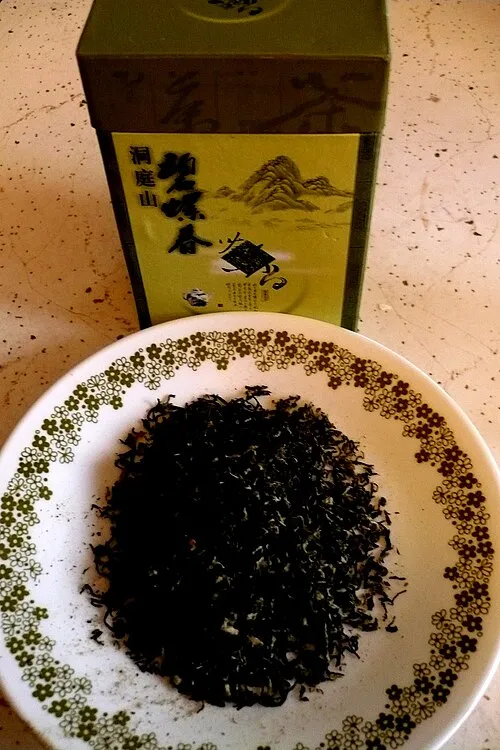
Green Tea Extract (EGCG)
Role: Rich in powerful antioxidants, particularly Epigallocatechin gallate (EGCG), green tea extract exhibits strong anti-inflammatory and neuroprotective effects. EGCG can reduce microglial activation, protect neurons from oxidative stress, and support overall brain health, contributing to improved cognitive function and memory.
200-400mg EGCG
Lion's Mane Mushroom (Hericium erinaceus)
Role: This medicinal mushroom is celebrated for its ability to stimulate Nerve Growth Factor (NGF) production, which is crucial for the growth, maintenance, and survival of neurons. Lion's Mane also has potent anti-inflammatory and antioxidant properties, helping to protect the brain from damage and potentially improving memory and cognitive function.
500-1000mg extract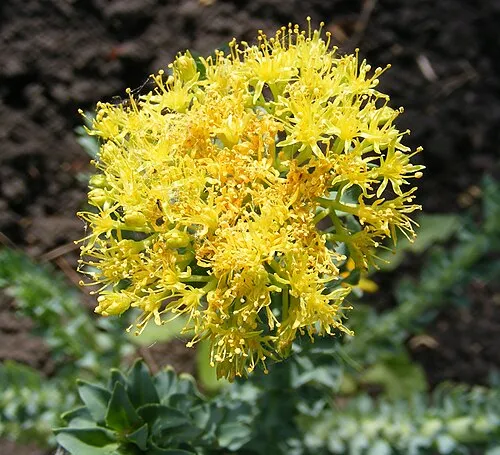
Rhodiola Rosea
Role: An adaptogenic herb that helps the body adapt to stress. Rhodiola can reduce stress-induced fatigue, improve mental performance, and enhance focus. It also has anti-inflammatory and antioxidant effects, protecting brain cells from damage and supporting overall cognitive resilience against stress and inflammation.
200-600mg extract
Vitamin B Complex (B6, B9, B12)
Role: Essential for numerous brain functions, B vitamins play a critical role in neurotransmitter synthesis, energy production, and nerve health. Specifically, B6, B9 (folate), and B12 help regulate homocysteine levels, an amino acid linked to inflammation and cognitive decline when elevated. Adequate B vitamins are crucial for protecting against neuroinflammation.
Daily Value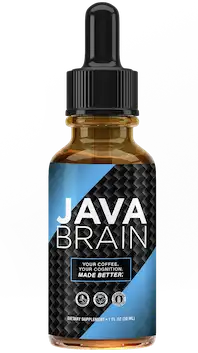
Ready to Experience Enhanced Clarity and Sharper Memory?
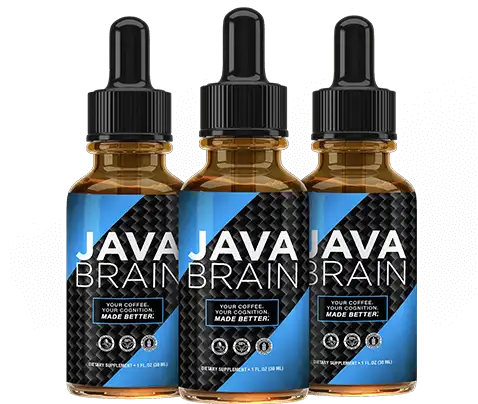
If you're seeking a natural and comprehensive way to support your brain's resilience against inflammation and cognitive decline, consider Java Brain. Formulated with a blend of science-backed ingredients, Java Brain is designed to nourish your brain, enhance focus, and improve memory.
- Supports healthy inflammatory response in the brain
- Enhances memory, focus, and mental clarity
- Protects neurons from oxidative stress and damage
- Promotes neuroplasticity and brain cell communication
- Made with 100% natural, non-GMO ingredients




What Our Customers Are Saying
"I used to struggle with constant brain fog and felt like my memory was slipping. After incorporating Java Brain into my routine, I feel a noticeable difference. My thoughts are clearer, and I can recall details much faster. It's truly helped me feel sharper at work and home."
"As a student, focus is everything. Java Brain has been a game-changer for my concentration and retention. I no longer feel that afternoon slump, and my study sessions are much more productive. It's like my brain has been upgraded!"
"I was skeptical about supplements, but my doctor suggested looking into natural ways to support cognitive health. Java Brain was recommended, and I'm so glad I tried it. My memory has improved, and I feel more mentally energetic. The brain fog is largely gone. Highly recommend!"
Frequently Asked Questions
What is neuroinflammation and how does it differ from general inflammation?
+Neuroinflammation refers specifically to inflammation within the brain and spinal cord, involving glial cells (microglia, astrocytes). While general inflammation is the body's protective response to injury or infection anywhere, neuroinflammation is the brain's unique immune response, which, when chronic, can damage neurons and impair cognitive function, leading to symptoms like brain fog and memory issues.
Can diet really impact brain inflammation?
+Absolutely. A diet rich in processed foods, refined sugars, and unhealthy fats can promote systemic inflammation, which then contributes to neuroinflammation. Conversely, an anti-inflammatory diet, abundant in fruits, vegetables, omega-3 fatty acids, and whole grains, can significantly reduce inflammation throughout the body, including the brain, thereby supporting better cognitive health and memory.
What are the common symptoms of inflammation affecting the brain?
+Symptoms of brain inflammation often manifest as cognitive issues, including persistent brain fog, difficulty concentrating, memory lapses, slowed thinking, fatigue, mood changes (like increased irritability or anxiety), and a general feeling of mental sluggishness. These can significantly impact daily functioning and quality of life.
How does chronic stress contribute to brain inflammation?
+Chronic stress leads to sustained activation of the body's "fight or flight" response, releasing hormones like cortisol. While acute cortisol is anti-inflammatory, chronic high levels can become pro-inflammatory, impairing the blood-brain barrier and sensitizing microglia, leading to increased neuroinflammation. This prolonged stress response can directly damage brain cells and contribute to cognitive decline.
Are there natural supplements that can help reduce brain inflammation?
+Yes, several natural compounds are known for their anti-inflammatory and neuroprotective properties. These include omega-3 fatty acids (DHA/EPA), curcumin, resveratrol, bacopa monnieri, green tea extract (L-Theanine), and lion's mane mushroom. These ingredients can help modulate inflammatory pathways, support neuronal health, and improve cognitive function. Java Brain incorporates several of these beneficial ingredients.
How long does it take to see improvements in brain fog and memory after addressing inflammation?
+The timeline for improvement can vary widely depending on the individual's overall health, the severity and duration of inflammation, and the consistency of interventions. While some people may notice subtle changes within a few weeks of adopting an anti-inflammatory lifestyle and supplement regimen, significant and lasting improvements in brain fog and memory often require several months of consistent effort. Patience and persistence are key.
Related Articles