Ever wonder why your gut feeling often aligns with your thoughts?
The intricate connection between your gut and brain is far more profound than you might imagine, influencing everything from your mood and energy levels to your memory and focus. This two-way communication system, known as the gut-brain axis, is a bustling highway of signals, hormones, and neurotransmitters, constantly exchanging information that shapes your overall well-being.
For years, we've focused on the brain as the sole command center, but emerging research increasingly highlights the gut's critical role, especially when it comes to combating cognitive decline and persistent brain fog. Understanding this axis is key to unlocking better mental clarity and resilience, offering a fresh perspective on how we can optimize our brain health.
The Unseen Connection: Your Gut and Brain are Best Friends
Beyond digestion, your gut plays a surprisingly central role in your mental well-being. It's not just about what you eat, but how your body processes it and communicates with your brain.
For centuries, the concept of "gut feelings" has been a part of human intuition, suggesting an innate wisdom residing in our abdomen. Modern science has now provided compelling evidence to support this ancient wisdom, revealing an intricate, bidirectional communication network known as the gut-brain axis. This sophisticated system is far more than just a vague sensation; it's a critical pathway that directly influences our mood, cognitive function, and overall mental health. Understanding this axis is paramount for anyone seeking to optimize their brain health and combat common issues like persistent brain fog and the early signs of cognitive decline.
The gut-brain axis is essentially a complex web of neural, hormonal, and immunological pathways that allow constant dialogue between your gastrointestinal tract and your central nervous system. It means that the state of your gut, teeming with trillions of microorganisms, can send signals that profoundly impact your brain's function, structure, and emotional responses. Conversely, your brain's state, particularly stress or anxiety, can significantly alter your gut's environment, demonstrating a truly symbiotic relationship. This constant feedback loop ensures that what happens in your gut doesn't stay in your gut; it ripples throughout your entire system, with profound implications for your cognitive performance and mental resilience.
Decoding the Gut-Brain Axis: A Two-Way Street of Influence
To truly appreciate the power of this connection, we must delve into its key components, each playing a vital role in linking your digestive system to your deepest thoughts and emotions.
The gut-brain axis isn't a single pathway but a multifaceted communication system involving several key players:
- The Microbiota: Your Inner Ecosystem
At the heart of the gut-brain axis lies the gut microbiota—trillions of bacteria, viruses, fungi, and other microorganisms residing in your intestines. Often referred to as the "second brain," this diverse community plays a crucial role in synthesizing neurotransmitters, modulating the immune system, and producing vital compounds like short-chain fatty acids (SCFAs). A healthy, diverse microbiome is associated with better cognitive function and mood stability, while an imbalance, known as dysbiosis, can trigger inflammatory responses that negatively impact the brain.
- The Vagus Nerve: The Direct Neural Highway
The vagus nerve is the longest cranial nerve, acting as a superhighway connecting the brainstem directly to the gut. It's a primary channel for bidirectional communication, transmitting signals from the gut to the brain and vice versa. This nerve allows the gut to "tell" the brain about its state, influencing everything from satiety and digestion to mood and stress responses. For instance, beneficial gut bacteria can produce compounds that stimulate the vagus nerve, sending calming signals to the brain, while inflammatory signals from an unhealthy gut can trigger stress responses.
- Neurotransmitters: Chemical Messengers
Surprisingly, many of the brain's key neurotransmitters, such as serotonin (often called the "happiness hormone"), dopamine, and gamma-aminobutyric acid (GABA), are either produced or significantly influenced by gut bacteria. For example, over 90% of the body's serotonin is produced in the gut. These chemical messengers are vital for regulating mood, sleep, appetite, and cognitive processes. Disruptions in gut microbiota can impair neurotransmitter production, potentially contributing to mood disorders, anxiety, and cognitive issues like brain fog.
- The Immune System: An Inflammatory Bridge
Your gut houses approximately 70-80% of your body's immune cells, making it the largest immune organ. The gut microbiota constantly interacts with this immune system, helping to train and regulate it. When the gut is unhealthy, it can trigger systemic inflammation. This inflammation isn't confined to the gut; it can travel through the bloodstream and cross the blood-brain barrier, leading to neuroinflammation. This chronic low-grade inflammation in the brain is a significant contributor to cognitive decline, memory problems, and persistent brain fog.
- Short-Chain Fatty Acids (SCFAs): Gut Metabolites with Brain Benefits
When beneficial gut bacteria ferment dietary fiber, they produce short-chain fatty acids (SCFAs) like butyrate, acetate, and propionate. These SCFAs are not just energy sources for gut cells; they also have profound systemic effects. Butyrate, in particular, is known for its anti-inflammatory properties and its ability to strengthen the gut barrier. SCFAs can also cross the blood-brain barrier, influencing brain function, neurogenesis (the formation of new brain cells), and protecting against neuroinflammation. A diet rich in fiber thus directly nourishes your brain by supporting SCFA production.
The harmonious interplay of these components ensures optimal communication and function. When any part of this system is compromised, the ripple effect can be felt directly in your cognitive abilities and emotional state.
When the Gut-Brain Axis Goes Awry: The Roots of Cognitive Decline and Brain Fog
An imbalance in this delicate gut-brain ecosystem can manifest as subtle yet debilitating cognitive symptoms, often dismissed as typical aging or stress.
The intricate balance of the gut-brain axis is susceptible to various modern lifestyle factors, including poor diet, chronic stress, lack of sleep, and antibiotic use. When this balance is disrupted, the consequences for brain health can be significant, leading to what many experience as brain fog, memory lapses, and even accelerating cognitive decline. Here’s how an unhealthy gut can undermine your mental sharpness:
- Dysbiosis and Neurotransmitter Imbalance: An imbalanced gut microbiome (dysbiosis) can reduce the production of beneficial neurotransmitters like serotonin and GABA. Lower levels of serotonin are linked to depression and anxiety, while insufficient GABA can lead to increased anxiety and difficulty concentrating. This chemical imbalance directly impacts mood regulation and cognitive processing, making it harder to focus and retain information.
- Chronic Systemic Inflammation: When the gut lining is compromised, often referred to as "leaky gut" or increased intestinal permeability, bacteria, toxins, and undigested food particles can escape into the bloodstream. This triggers a widespread immune response, leading to chronic low-grade inflammation throughout the body. This systemic inflammation can then cross the blood-brain barrier, causing neuroinflammation. Neuroinflammation is a key driver of cognitive dysfunction, damaging brain cells, impairing neural pathways, and contributing to memory loss and reduced mental agility.
- Oxidative Stress: An unhealthy gut can also contribute to increased oxidative stress, an imbalance between free radicals and antioxidants in the body. This oxidative stress can damage brain cells and tissues, impairing their function and accelerating cellular aging. This cellular damage is directly implicated in the progression of cognitive decline and can exacerbate symptoms of brain fog.
- Reduced Neurotrophic Factor Production: Gut microbes play a role in the production of brain-derived neurotrophic factor (BDNF), a protein crucial for neuron growth, maintenance, and survival. BDNF is vital for learning, memory, and overall cognitive health. An unhealthy gut can lead to reduced BDNF levels, hindering the brain's ability to form new connections and adapt, which is fundamental to preventing cognitive decline.
- Impact on Blood-Brain Barrier Integrity: The blood-brain barrier (BBB) is a protective shield that prevents harmful substances from entering the brain. Chronic inflammation originating from an unhealthy gut can compromise the integrity of the BBB, making the brain more vulnerable to toxins, pathogens, and inflammatory molecules. This increased permeability directly contributes to neuroinflammation and cognitive impairment.
These interconnected mechanisms illustrate how a troubled gut can directly undermine your brain's ability to function optimally. Recognizing these links is the first step toward implementing strategies that can heal your gut and, in turn, sharpen your mind. Many individuals experience a significant improvement in their cognitive symptoms, including a reduction in brain fog and enhanced mental clarity, simply by addressing their gut health.
💡 Key Takeaway
Your gut is not just for digestion; it's a powerful regulator of your brain health. An unhealthy gut can trigger inflammation, disrupt neurotransmitters, and compromise the blood-brain barrier, leading directly to brain fog, memory issues, and accelerated cognitive decline. Nurturing your gut is a direct pathway to a sharper, clearer mind.
Strategies to Nurture Your Gut for a Sharper Mind
The good news is that you have significant power to positively influence your gut health, and by extension, your brain health, through conscious lifestyle choices.
Restoring balance to your gut-brain axis is a journey that often begins with foundational changes to your diet and lifestyle. These strategies are not just about avoiding disease; they are about actively promoting vitality and optimizing your cognitive potential:
- Embrace a Fiber-Rich, Whole Food Diet: This is arguably the most impactful change you can make. Your gut bacteria thrive on fiber, which acts as a prebiotic, fueling their growth and diversity. Focus on a wide variety of fruits, vegetables, whole grains (like oats, quinoa, brown rice), legumes, nuts, and seeds. These foods provide essential prebiotics that lead to the production of beneficial SCFAs, which are critical for gut barrier integrity and brain health. Minimize highly processed foods, refined sugars, artificial sweeteners, and unhealthy fats, as these can promote the growth of detrimental bacteria and contribute to inflammation.
- Incorporate Fermented Foods: Fermented foods are natural sources of probiotics—beneficial live bacteria that can replenish and diversify your gut microbiome. Regular consumption of foods like kefir, yogurt (with live active cultures), sauerkraut, kimchi, tempeh, and kombucha can introduce a healthy dose of these gut-friendly microbes. Start slowly and observe how your body responds.
- Consider Targeted Probiotic and Prebiotic Supplementation: While diet is primary, specific probiotic strains have been researched for their potential benefits on gut-brain health. Consult with a healthcare professional to determine if a targeted probiotic or prebiotic supplement is appropriate for your individual needs. Different strains have different effects, and a personalized approach can be most effective.
- Prioritize Stress Management: The gut-brain axis is highly sensitive to stress. Chronic stress can negatively alter your gut microbiome, increase intestinal permeability, and impact gut motility. Incorporate stress-reducing practices into your daily routine, such as meditation, deep breathing exercises, yoga, spending time in nature, or engaging in hobbies you enjoy. Managing stress effectively helps to calm the nervous system, which in turn benefits gut function and reduces inflammatory signals to the brain.
- Ensure Adequate Sleep: Sleep is a powerful restorative process for both your brain and your gut. Poor sleep quality or insufficient sleep can disrupt the gut microbiome, increase inflammation, and negatively impact cognitive function. Aim for 7-9 hours of quality sleep per night. Establishing a consistent sleep schedule and creating a relaxing bedtime routine can significantly improve both gut and brain health.
- Engage in Regular Physical Activity: Exercise is a potent modulator of the gut microbiome, increasing its diversity and promoting the growth of beneficial bacteria. It also reduces inflammation throughout the body, improves blood flow to the brain, and enhances mood. Even moderate physical activity, such as brisk walking, can have profound positive effects on both your gut and cognitive health.
- Stay Hydrated: Water is essential for every bodily function, including digestion and nutrient absorption. Adequate hydration helps maintain the integrity of the gut lining and supports regular bowel movements, preventing issues that can contribute to dysbiosis. Aim to drink plenty of clean, filtered water throughout the day.
By consistently implementing these strategies, you can foster a healthier gut environment, which will, in turn, send positive signals to your brain, leading to improved mood, enhanced cognitive function, and a significant reduction in brain fog. This holistic approach empowers you to take charge of your mental clarity and long-term brain health.

The Rewards of a Healthy Gut-Brain Axis: Benefits for Your Mind
When your gut-brain axis is functioning optimally, the positive impacts on your cognitive abilities and mental well-being are profound and far-reaching.
Improved Memory and Learning
A balanced gut microbiome and reduced neuroinflammation create an optimal environment for brain cells to thrive. This supports neuroplasticity, the brain's ability to form new connections, leading to enhanced memory recall, better retention of new information, and an overall improved capacity for learning. You'll find it easier to remember names, facts, and daily tasks.
Enhanced Focus and Concentration
By reducing systemic inflammation and ensuring proper neurotransmitter balance, a healthy gut helps minimize distractions and mental clutter. This translates to a stronger ability to concentrate on tasks, maintain focus for longer periods, and experience fewer moments of mind-wandering. Your productivity and attention span can see a noticeable boost.
Better Mood Regulation
Given the gut's significant role in serotonin and other neurotransmitter production, a healthy gut directly contributes to emotional stability. It can help regulate mood swings, reduce feelings of anxiety, and foster a greater sense of calm and well-being. This emotional resilience is a cornerstone of overall mental health.
Reduced Brain Fog and Mental Fatigue
One of the most immediate and appreciated benefits of a healthy gut is the dissipation of brain fog. By reducing inflammation and oxidative stress, the brain receives clearer signals and functions more efficiently. This leads to increased mental clarity, sustained energy levels throughout the day, and a significant reduction in feelings of mental exhaustion.
Stronger Stress Resilience
A well-functioning gut-brain axis can better modulate the body's stress response. By calming the vagus nerve and balancing stress hormones, you become more resilient to daily stressors. This means you can face challenges with greater composure and recover more quickly from stressful situations, protecting your brain from the damaging effects of chronic stress.
These benefits highlight the profound impact that nurturing your gut can have on your cognitive performance and emotional well-being. It's an investment in a sharper mind and a more vibrant life.
Beyond Lifestyle: Supporting Your Brain's Needs
While diet and lifestyle are foundational, sometimes our brains need an extra edge to perform at their peak, especially when facing the demands of modern life or recovering from the impacts of an imbalanced gut-brain axis.
Even with the most diligent efforts to maintain a healthy gut and lifestyle, the demands of modern life—constant information overload, chronic stress, and environmental factors—can still challenge our cognitive resilience. This is where the concept of nootropics, or cognitive enhancers, comes into play. Nootropics are substances that can safely enhance cognitive functions like memory, focus, creativity, and motivation, often by supporting brain health through different mechanisms than direct gut healing. They can act as a complementary strategy to support your brain while you work on optimizing your gut health.
For individuals experiencing persistent cognitive issues such as brain fog, difficulty concentrating, or memory lapses, integrating targeted cognitive support can be incredibly beneficial. Think of it as providing your brain with the optimal fuel and building blocks it needs to repair, protect, and perform. While nootropics don't directly heal the gut, by supporting overall brain function, they can help mitigate some of the cognitive symptoms that arise from an imbalanced gut-brain axis. They can help you feel sharper, more focused, and mentally energized, allowing you to better implement the lifestyle changes necessary for long-term gut and brain health.
For those looking to explore how to enhance their mental performance, understanding the best nootropics to add to your daily routine can be a game-changer. You might be interested in learning about the best nootropic to add to coffee to jumpstart your day with enhanced focus. Or, if you're seeking comprehensive support, exploring the best brain health supplement can provide insights into ingredients that offer broad cognitive benefits. These supplements are designed to work synergistically with your body's natural processes, providing a boost when you need it most.
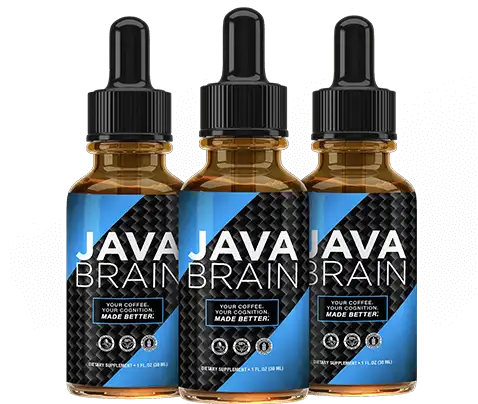
Java Brain: A Synergistic Approach to Cognitive Support
Java Brain is designed to complement your efforts in achieving optimal cognitive function, offering a blend of natural ingredients known for their brain-boosting properties.
While the focus of this article is on the foundational importance of gut health, it's equally important to consider direct support for your brain's optimal function. Java Brain offers a unique blend of natural ingredients specifically chosen to enhance various aspects of cognitive performance. These ingredients work synergistically to improve focus, memory, mental clarity, and energy, providing a powerful complement to your gut-health journey.
By providing your brain with these targeted nutrients, Java Brain can help you overcome the daily challenges of brain fog and improve overall mental sharpness, regardless of where you are on your gut-healing path. It's about empowering your brain to perform at its best, supporting its resilience against cognitive decline and enhancing your daily mental output. You can delve deeper into how Java Brain compares to other options by reading about Java Brain vs. Other Nootropic Coffees.

Bacopa Monnieri
Role: An adaptogenic herb renowned for its ability to enhance memory, reduce anxiety, and improve cognitive processing speed. It supports neuronal communication and can aid in stress reduction, which indirectly benefits the gut-brain axis.
300-450mg
Green Tea Extract
Role: Rich in antioxidants, especially EGCG, which protects brain cells from oxidative damage. It also contains L-Theanine, promoting calm focus and sustained energy without jitters, supporting overall brain health.
250-500mg
L-Theanine
Role: An amino acid found in green tea, known for promoting a state of relaxed alertness. It enhances alpha brain wave activity, leading to improved focus, reduced stress, and better sleep quality, all vital for cognitive function.
100-200mg
Lion's Mane Mushroom
Role: A powerful nootropic mushroom that stimulates nerve growth factor (NGF) production, supporting brain cell growth, repair, and protection. It's linked to improved memory, focus, and reduced symptoms of anxiety and depression.
500-1000mg
Rhodiola Rosea
Role: Another potent adaptogen that helps the body adapt to physical and mental stress. It improves mental fatigue, enhances focus, and can boost mood, making it easier to maintain cognitive performance under pressure.
200-400mg
Vitamin B Complex
Role: Essential for energy production in brain cells, neurotransmitter synthesis, and nerve function. B vitamins, particularly B6, B9 (folate), and B12, are crucial for cognitive health and preventing brain fog and fatigue.
Various Doses
Ready to Unleash Your Full Cognitive Potential?
Don't let brain fog and declining focus hold you back. Java Brain offers a powerful, natural solution to support your cognitive health, allowing you to think clearer, remember more, and stay energized throughout your day.
- ✓ Enhances Focus & Concentration
- ✓ Boosts Memory & Learning
- ✓ Reduces Mental Fatigue & Brain Fog
- ✓ Supports Mood & Stress Resilience
- ✓ All-Natural, Scientifically Backed Ingredients




What Our Customers Are Saying
"I used to struggle with that afternoon slump and constant brain fog, making it hard to focus on my work. Since starting Java Brain, I feel a noticeable difference. My thoughts are clearer, and my memory feels sharper. It's like my brain finally woke up!"
"As someone constantly seeking ways to optimize my cognitive function, I've tried many supplements. Java Brain stands out. The sustained energy and mental clarity are fantastic, without any jitters. I've found it incredibly helpful for my demanding schedule and feel less stressed."
"I was skeptical at first, but the reviews convinced me to try Java Brain. After a few weeks, my wife even commented on how much more focused and less irritable I seemed. My recall has improved, and I don't feel that heavy mental fatigue I used to get. Highly recommend!"
Frequently Asked Questions
What is the gut-brain axis and why is it important for my cognitive health?
+The gut-brain axis is a complex, bidirectional communication system linking your central nervous system to your enteric nervous system (the nervous system of your gut). It's crucial because it influences mood, cognitive function, memory, and even your susceptibility to conditions like brain fog and cognitive decline. A healthy axis ensures smooth communication, supporting overall mental well-being.
How does an unhealthy gut contribute to brain fog and cognitive decline?
+An unhealthy gut, often characterized by an imbalance of microbes (dysbiosis) or increased intestinal permeability (leaky gut), can lead to chronic inflammation. This inflammation can extend to the brain, disrupting neurotransmitter balance, damaging brain cells, and impairing cognitive processes, manifesting as brain fog, poor memory, and difficulty concentrating. It's a significant factor in accelerating cognitive decline.
What are the most effective dietary changes to support gut-brain health?
+Prioritize a diet rich in whole, unprocessed foods. Emphasize fiber from fruits, vegetables, and whole grains, which feed beneficial gut bacteria. Include fermented foods like yogurt, kefir, and kimchi for probiotics, and foods rich in polyphenols (berries, dark chocolate) for their antioxidant benefits. Limit processed sugars, artificial sweeteners, and excessive unhealthy fats, as these can negatively impact the gut microbiome.
Can stress impact my gut health and subsequently my brain?
+Absolutely. Stress has a profound and immediate impact on the gut-brain axis. Chronic stress can alter gut motility, reduce beneficial bacteria, and increase intestinal permeability. This, in turn, can heighten systemic inflammation and disrupt neurotransmitter production, exacerbating symptoms like anxiety, depression, and cognitive dysfunction, including brain fog and difficulty with memory.
Are there supplements that can help support both gut and brain health?
+While diet and lifestyle are foundational, certain supplements can offer additional support. Probiotics and prebiotics can help rebalance the gut microbiome. Nootropic supplements like Java Brain, with ingredients such as Bacopa Monnieri, L-Theanine, and Green Tea Extract, are designed to support cognitive functions like focus, memory, and mental clarity, which can be particularly beneficial when the gut-brain axis is under stress. Always consult a healthcare professional before starting any new supplement.
How long does it take to see improvements in cognitive function after improving gut health?
+The timeline for seeing improvements can vary widely depending on the individual's baseline health, the severity of gut issues, and consistency of interventions. Some people report subtle changes in mood and energy within a few weeks of consistent dietary and lifestyle changes, while more significant cognitive improvements may take several months. It's a continuous journey towards better health, not a quick fix.
Related Articles