Feeling Mentally Sluggish? What if the Secret to a Sharper Mind was Already in Your Grasp?
In our fast-paced world, many of us seek ways to enhance our cognitive performance, sharpen our focus, and maintain mental clarity as we age. We often look to complex brain-training apps, exotic superfoods, or new nootropics, overlooking one of the most powerful and accessible tools at our disposal: physical activity.
The connection between our bodies and minds is profound, and an ever-growing body of scientific evidence reveals that exercise isn't just good for your heart and muscles—it's absolutely essential for a thriving, resilient brain. From boosting memory and attention to combating the insidious effects of cognitive decline and brain fog, movement is medicine for the mind.
The Brain-Body Connection: More Than Just a Metaphor
For centuries, philosophers and scientists have pondered the intricate relationship between the mind and body. Today, neuroscience provides compelling evidence that this connection is not merely philosophical but deeply physiological, with physical activity acting as a powerful conduit for optimizing brain health.
When you exercise, your body undergoes a cascade of beneficial changes that directly impact your brain. It's not just about burning calories or building muscle; it's about nurturing the very organ that governs your thoughts, emotions, and consciousness. Understanding these mechanisms is the first step toward harnessing the full power of movement for a sharper mind.
How Exercise Rewires Your Brain for Peak Performance
The impact of physical activity on the brain is multifaceted and profound, extending far beyond simple blood flow. Here's a closer look at the key biological mechanisms at play:
- Increased Blood Flow (Cerebral Perfusion): Exercise, especially aerobic activity, acts like a supercharger for your brain's circulatory system. It increases blood flow to the brain, delivering a rich supply of oxygen, glucose, and essential nutrients. This improved perfusion is critical for optimal neuronal function and waste removal, preventing the accumulation of toxins that can contribute to cognitive decline and brain fog.
- Neurogenesis: The Birth of New Brain Cells: Perhaps one of the most exciting discoveries is exercise's ability to promote neurogenesis—the growth and development of new neurons—particularly in the hippocampus, a brain region vital for learning and memory. This process helps to build a more robust and resilient brain, capable of forming new connections and adapting to challenges.
- Enhanced Neuroplasticity: Beyond creating new cells, exercise strengthens the connections between existing neurons. This phenomenon, known as neuroplasticity, allows the brain to reorganize itself, form new synaptic connections, and adapt throughout life. A more plastic brain is a more agile brain, better equipped for learning, problem-solving, and adapting to new information.
- Release of Brain-Derived Neurotrophic Factor (BDNF): Often dubbed "Miracle-Gro for the brain," BDNF is a protein that promotes the survival of existing neurons and encourages the growth and differentiation of new neurons and synapses. Exercise is a potent stimulator of BDNF production, making it a critical player in memory formation, learning, and overall cognitive health.
- Balanced Neurotransmitters: Physical activity influences the production and regulation of key neurotransmitters like dopamine, serotonin, and norepinephrine. These chemical messengers are crucial for mood regulation, motivation, attention, and executive function. Regular exercise can alleviate symptoms of depression and anxiety, which often co-occur with cognitive issues and brain fog.
- Reduced Inflammation and Oxidative Stress: Chronic inflammation and oxidative stress are detrimental to brain health, contributing to neuronal damage and accelerating cognitive decline. Exercise has powerful anti-inflammatory and antioxidant effects, helping to protect brain cells from damage and maintain a healthy neural environment.
- Improved Sleep Quality: While not a direct brain mechanism, exercise significantly improves sleep quality, which in turn has profound effects on cognitive function. During deep sleep, the brain clears metabolic waste products (via the glymphatic system), consolidates memories, and repairs itself. Poor sleep is a major contributor to brain fog and impaired cognition, making exercise's role in promoting restful sleep invaluable. For more insights into the crucial link, consider reading our article on Sleep and Brain Health: The Untapped Cognitive Booster.
Collectively, these mechanisms paint a clear picture: regular physical activity isn't just a lifestyle choice; it's a fundamental requirement for optimal brain health, guarding against cognitive decline and enhancing mental performance at every stage of life.
💡 Key Takeaway
Exercise fundamentally transforms the brain by boosting blood flow, sparking new neuron growth (neurogenesis), enhancing connections (neuroplasticity), and regulating critical brain chemicals. It's a powerful, natural intervention against cognitive decline and brain fog, supporting memory, focus, and overall mental resilience.
The Cognitive Benefits: Sharpening Your Mind's Edge
Beyond the microscopic changes, the practical benefits of exercise for your cognitive abilities are tangible and life-changing. Regular movement can help you think faster, remember more, and maintain a clearer perspective, even amidst daily stressors.
Enhanced Memory Function
One of the most well-documented benefits of exercise is its positive impact on memory. Studies consistently show that physical activity, particularly aerobic exercise, can improve both short-term and long-term memory recall. This is largely due to increased blood flow to the hippocampus and the release of BDNF, which supports the growth and survival of memory-related neurons.
Improved Focus and Attention
Struggling to concentrate? Exercise can be your secret weapon. By modulating neurotransmitters like dopamine and norepinephrine, which are critical for attention and alertness, physical activity helps to enhance your ability to focus, sustain attention, and resist distractions. This translates to better performance at work, during studies, and in everyday tasks.
Boosted Problem-Solving and Executive Function
Executive functions – the higher-level cognitive skills that include planning, decision-making, problem-solving, and self-control – are significantly improved with regular exercise. Activities that challenge coordination and strategy, in particular, engage the prefrontal cortex, leading to better cognitive flexibility and quicker, more effective decision-making.
Reduced Risk of Cognitive Decline and Dementia
This is perhaps the most compelling reason to embrace exercise. Numerous longitudinal studies demonstrate that physically active individuals have a significantly lower risk of developing age-related cognitive decline, mild cognitive impairment, and neurodegenerative diseases like Alzheimer's and Parkinson's. Exercise helps by maintaining brain volume, reducing amyloid plaque buildup, and preserving neuronal health.
Alleviation of Brain Fog
Brain fog, characterized by feelings of mental confusion, poor concentration, and difficulty processing information, can be debilitating. Exercise directly addresses many of its root causes: improving blood circulation, reducing inflammation, enhancing neurotransmitter balance, and boosting energy levels. Regular movement is a powerful antidote, helping to clear the mental haze and restore clarity.
Enhanced Mood and Stress Resilience
While not strictly "cognitive," improved mood and reduced stress have a profound indirect impact on brain health. Exercise is a natural antidepressant and anxiolytic, releasing endorphins and reducing cortisol levels. A calmer, happier mind is inherently more capable of optimal cognitive function, making it easier to learn, remember, and focus.

Beyond the Gym: Integrating Movement into Your Daily Life
The good news is you don't need to become an elite athlete to reap the cognitive rewards of exercise. Consistency and variety are key. The goal is to make physical activity a regular, enjoyable part of your routine.
Recommended Exercise Guidelines for Brain Health
General recommendations for adults include:
- Aerobic Activity: Aim for at least 150 minutes of moderate-intensity aerobic exercise per week (e.g., brisk walking, swimming, cycling, dancing) or 75 minutes of vigorous-intensity activity (e.g., running, high-impact aerobics). This can be broken down into 30-minute sessions, five times a week.
- Strength Training: Incorporate muscle-strengthening activities at least two days per week, working all major muscle groups. This could include lifting weights, using resistance bands, or bodyweight exercises like push-ups and squats.
- Balance and Flexibility: Don't forget activities that improve balance and flexibility, such as yoga, Tai Chi, or even simple stretching routines. These are particularly beneficial for older adults to prevent falls and improve spatial awareness, which is a cognitive skill.
Making Exercise a Habit: Practical Tips
Starting an exercise routine can feel daunting, especially if you're experiencing brain fog or low motivation. Here are some strategies to help you get started and stay consistent:
Start Small, Build Up
Don't try to do too much too soon. Begin with short walks or a few minutes of gentle stretching. Gradually increase duration and intensity as your fitness improves. Small victories build momentum and confidence.
Find Your Tribe
Exercise with a friend, join a class, or find an online community. Social interaction can boost motivation and make workouts more enjoyable, adding another layer of brain-boosting benefits.
Vary Your Routine
Monotony can kill motivation. Mix up your activities to keep things interesting and challenge your brain in different ways. Try hiking one day, swimming the next, and dancing on the weekend.
Schedule It In
Treat your workouts like important appointments. Block out time in your calendar and commit to it. Consistency is more important than intensity when it comes to long-term brain health.
Embrace the Outdoors
Exercising outdoors can provide additional benefits, including exposure to natural light (good for circadian rhythms) and a change of scenery, which can reduce stress and improve mood. Even a simple walk in a park can do wonders.
Listen to Your Body
Rest and recovery are just as important as the workout itself. Don't push through pain, and ensure you're getting adequate sleep. Proper rest allows your body and brain to repair and rebuild.
Beyond Exercise: A Holistic Approach to Cognitive Wellness
While exercise is a cornerstone of brain health, it's part of a larger mosaic of lifestyle choices that collectively contribute to optimal cognitive function. Think of it as a comprehensive strategy, where each element reinforces the others.
Complementary Strategies for a Sharper Brain
To truly maximize your brain's potential and ward off cognitive decline and brain fog, consider integrating these additional pillars of brain health:
- Nutrition: A brain-healthy diet is rich in whole foods, fruits, vegetables, lean proteins, and healthy fats. Foods high in antioxidants, omega-3 fatty acids, and B vitamins are particularly beneficial. For a deeper dive into what to put on your plate, explore our article on the Best Foods for Brain Health.
- Sleep: Adequate, high-quality sleep is non-negotiable for cognitive function. During sleep, your brain consolidates memories, clears waste products, and repairs itself. Aim for 7-9 hours of restful sleep per night.
- Stress Management: Chronic stress is a significant contributor to cognitive impairment and brain fog. Practices like meditation, mindfulness, deep breathing exercises, and spending time in nature can help manage stress levels.
- Social Engagement: Maintaining strong social connections and engaging in meaningful interactions can provide cognitive stimulation and protect against isolation, a known risk factor for cognitive decline.
- Mental Stimulation: Just like your body, your brain needs regular workouts. Engage in new hobbies, learn a new language or skill, read, solve puzzles, or play instruments. Lifelong learning keeps your neural pathways active and robust.
The Role of Targeted Nutritional Support
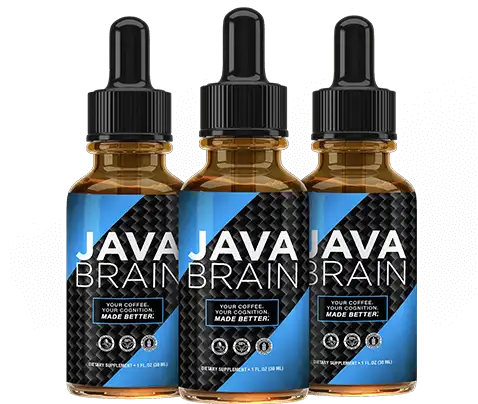
Even with a perfect diet and consistent exercise, sometimes our brains can benefit from targeted nutritional support. Modern diets, environmental stressors, and the demands of daily life can deplete essential nutrients necessary for optimal cognitive function. This is where high-quality brain supplements, like Java Brain, can play a supportive role.
Java Brain is formulated with a blend of natural ingredients designed to complement your healthy lifestyle, providing specific nutrients known for their cognitive benefits. It’s not a magic pill, but a tool to help bridge nutritional gaps and provide an extra edge in your pursuit of mental clarity and focus. It can be a powerful addition, particularly when paired with strategies like incorporating a Brain-Boosting Coffee Additive to your morning routine.
Introducing Java Brain: Your Partner in Cognitive Wellness
Java Brain is designed to support your brain health journey, working synergistically with your efforts in exercise and lifestyle. It provides a carefully selected blend of ingredients known to enhance focus, memory, and mental energy, helping to combat brain fog and support overall cognitive function.

Bacopa Monnieri
Role: An ancient Ayurvedic herb known for its adaptogenic properties, Bacopa Monnieri supports memory formation, cognitive processing, and reduces anxiety by enhancing synaptic communication and promoting neuronal growth.
Typical Dose: 300-450mg extract
L-Theanine
Role: Found in green tea, L-Theanine promotes a state of relaxed alertness, enhancing focus and attention without drowsiness. It crosses the blood-brain barrier to increase alpha brain waves and reduce stress-related anxiety.
Typical Dose: 100-200mg
Green Tea Extract (EGCG)
Role: Rich in antioxidants, particularly EGCG, green tea extract protects brain cells from oxidative damage, supports neurogenesis, and improves cognitive function by enhancing brain connectivity and reducing inflammation.
Typical Dose: 200-400mg EGCG
Lion's Mane Mushroom
Role: This medicinal mushroom is revered for its neuroprotective and neuroregenerative properties. It stimulates the production of Nerve Growth Factor (NGF), crucial for neuron growth, maintenance, and myelin sheath formation, supporting memory and cognitive function.
Typical Dose: 500-1500mg extract
Rhodiola Rosea
Role: An adaptogenic herb that helps the body adapt to physical, chemical, and environmental stress. It can reduce mental fatigue, improve focus, and enhance cognitive performance, especially under stressful conditions, by balancing neurotransmitters.
Typical Dose: 200-600mg extract
Vitamin B Complex
Role: Essential for energy production and neurotransmitter synthesis, B vitamins (B6, B9, B12) play a critical role in brain health. They help reduce homocysteine levels, a risk factor for cognitive decline, and support nerve function, contributing to mental clarity and mood regulation.
Typical Dose: Varies by vitamin
Ready to Experience Enhanced Focus and Mental Clarity?
Don't let brain fog or declining memory hold you back. Java Brain offers a powerful, natural blend of ingredients scientifically chosen to support your cognitive health. Fuel your brain, sharpen your mind, and reclaim your mental edge.
- ✓ Boosts Focus & Concentration
- ✓ Enhances Memory & Learning
- ✓ Lifts Brain Fog & Mental Fatigue
- ✓ Supports Neurogenesis & Brain Plasticity
- ✓ Made with 100% Natural Ingredients




What Our Customers Are Saying
"I used to feel so sluggish and forgetful, especially in the afternoons. Since adding Java Brain to my routine, combined with my daily walks, I've noticed a significant improvement in my clarity and ability to focus on tasks. It's like the fog has finally lifted!"
"As someone approaching retirement, I'm very conscious of maintaining my cognitive health. Java Brain, along with my regular swimming, has made a noticeable difference in my memory recall and overall mental sharpness. I feel more engaged and confident in my daily interactions."
"Balancing work and family often left me feeling drained and mentally foggy. A friend recommended Java Brain, and after a few weeks, I felt a remarkable improvement in my energy and concentration. It's truly helped me stay on top of things, especially when I pair it with my morning jog."
Frequently Asked Questions
How much exercise is recommended for brain health?
+Most experts recommend at least 150 minutes of moderate-intensity aerobic exercise per week, combined with two sessions of strength training. This can be broken down into shorter, manageable bursts, such as 30 minutes, five times a week.
What types of exercise are best for cognitive function?
+A combination of aerobic (cardio), strength training, and balance/coordination exercises is ideal. Aerobic activities like brisk walking, jogging, swimming, or cycling are excellent for blood flow. Strength training builds muscle and supports overall metabolic health, while activities like yoga or Tai Chi improve balance and spatial awareness.
Can exercise reverse cognitive decline?
+While exercise cannot fully reverse advanced cognitive decline or conditions like Alzheimer's disease, it can significantly slow its progression, improve symptoms of brain fog, and enhance cognitive function in individuals experiencing mild to moderate decline. Starting early is key for preventative benefits.
How does exercise help with brain fog?
+Exercise combats brain fog by increasing blood flow to the brain, reducing inflammation, improving sleep quality, and balancing neurotransmitters. It also helps manage stress, which is a common contributor to feelings of mental fogginess and difficulty concentrating. Regular movement clears the mind and enhances mental clarity.
Is it ever too late to start exercising for brain health?
+Absolutely not! Research consistently shows that individuals of all ages, including older adults, can experience significant cognitive benefits from starting and maintaining a regular exercise routine. Even modest increases in physical activity can make a positive difference in brain health and overall well-being.
Are there other lifestyle factors that complement exercise for brain health?
+Yes, a holistic approach is best. Alongside exercise, prioritize a balanced diet rich in antioxidants and omega-3s, ensure adequate sleep, manage stress effectively, stay socially engaged, and challenge your brain with new learning experiences. Supplements like Java Brain can also support these efforts by providing targeted nutrients.
Related Articles