Are you feeling disconnected, and wondering if it's affecting your mind?
In our increasingly digital world, genuine social connection sometimes feels elusive. While technology offers many ways to 'connect,' a growing body of research indicates that a lack of meaningful social interaction, often manifesting as loneliness, can have profound and detrimental effects on our physical and mental health, particularly our brain.
This article delves into the intricate relationship between social connection and cognitive health, exploring how chronic loneliness can contribute to cognitive decline and brain fog, and what proactive steps you can take to safeguard your mind.
The Nuance of Loneliness vs. Social Isolation
Before we explore the impact, it's crucial to distinguish between loneliness and social isolation, as they are often conflated but represent distinct experiences.
Social isolation refers to an objective state of having few social contacts or infrequent social interaction. It's about the measurable quantity of your social ties. For example, living alone or having a small social circle would be considered social isolation. This can be a choice or a circumstance.
Loneliness, on the other hand, is a subjective, distressing feeling of being alone or separated, a perception that one's social relationships are inadequate in terms of quantity or quality. You can be surrounded by people and still feel profoundly lonely, just as you can live alone and not feel lonely if your few connections are deeply meaningful. It's the *feeling* of disconnection that holds the most significant implications for our brain health.
While social isolation can certainly lead to loneliness, it doesn't always. It's the subjective experience of loneliness, the feeling of being disconnected and misunderstood, that poses the most significant threat to our cognitive well-being.
The Brain's Innate Need for Connection
Humans are inherently social creatures. Our brains evolved in complex social environments, and social interaction is fundamental to our development, survival, and well-being.
From infancy, our brains are wired to seek connection. Early attachment experiences shape neural pathways, influencing our ability to regulate emotions, form relationships, and develop a sense of self. The brain's "social circuitry" involves a vast network of regions, including the prefrontal cortex, amygdala, and insula, which are responsible for processing social cues, understanding others' intentions, and experiencing empathy.
When these social needs are met, our brains thrive. Positive social interactions trigger the release of feel-good neurotransmitters like oxytocin and dopamine, reinforcing bonding and promoting a sense of security and belonging. This constant engagement stimulates cognitive functions, encourages perspective-taking, and provides emotional support that acts as a buffer against stress. Conversely, a lack of such engagement can send the brain into a state of alert, interpreting social disconnection as a threat.
💡 Key Takeaway
Loneliness, the subjective feeling of social disconnection, is a significant stressor that can profoundly harm brain health. It's not merely about being alone, but about the perceived inadequacy of one's social bonds, triggering physiological responses that impair cognitive function and accelerate decline.
How Loneliness Harms the Brain: A Deeper Dive
The impact of chronic loneliness extends far beyond emotional discomfort, manifesting as tangible physiological changes within the brain that contribute directly to cognitive decline and brain fog.
The Chronic Stress Response and Inflammation
When we feel lonely, our brain interprets this as a threat, activating the body's stress response system. This leads to elevated levels of stress hormones, particularly cortisol, which, when sustained over time, can be highly damaging to brain tissue. Chronic cortisol exposure has been shown to shrink the hippocampus, a brain region critical for memory formation and spatial navigation, and to reduce the growth of new neurons.
Furthermore, loneliness is linked to increased systemic inflammation. The body releases pro-inflammatory cytokines, which can cross the blood-brain barrier and disrupt neurotransmitter function, damage brain cells, and interfere with synaptic plasticity – the brain's ability to adapt and form new connections. This neuroinflammation is a key mechanism underlying various neurodegenerative diseases and is strongly implicated in symptoms of brain fog, such as mental fatigue and difficulty concentrating.
Reduced Neuroplasticity and Brain Volume
Social interaction is a rich source of cognitive stimulation. Engaging in conversations, understanding social cues, and navigating relationships all challenge our brains, promoting neuroplasticity. Chronic loneliness deprives the brain of these vital inputs, leading to reduced neural activity and a decline in the brain's ability to form and strengthen connections. Studies have even shown that socially isolated individuals tend to have lower gray matter volume in several brain regions, including those involved in memory and decision-making.
Impact on Specific Cognitive Functions
The insidious effects of loneliness don't spare any aspect of cognition. Research consistently points to declines in several key areas:
- Memory: Both episodic memory (recalling specific events) and working memory (holding and manipulating information temporarily) are negatively affected. You might find yourself forgetting recent conversations or struggling to keep track of tasks.
- Executive Functions: These higher-level cognitive skills, including planning, problem-solving, decision-making, and inhibitory control, suffer. This can make complex tasks feel overwhelming and lead to poor judgment.
- Processing Speed: The speed at which your brain takes in and responds to information can slow down, making everyday interactions and learning new things more challenging.
- Attention and Focus: Persistent brain fog, a common complaint, is often characterized by difficulty sustaining attention, mental haziness, and a general lack of clarity.
Increased Risk of Neurodegenerative Diseases
Perhaps the most alarming consequence of chronic loneliness and social isolation is the significantly increased risk of developing neurodegenerative conditions, including dementia and Alzheimer's disease. The chronic stress, inflammation, and reduced cognitive stimulation associated with loneliness are all known risk factors that accelerate the pathological processes underlying these devastating conditions. Some research suggests that loneliness can double the risk of developing dementia.
Beyond Loneliness: The Power of Social Engagement for Brain Health
Just as loneliness can harm the brain, meaningful social connection acts as a powerful protective factor, bolstering cognitive resilience and promoting overall well-being. Actively engaging with others offers a multitude of brain-boosting benefits.
Enhanced Neuroplasticity and Cognitive Reserve
Social interactions constantly challenge our brains, requiring us to interpret cues, anticipate responses, and adapt our communication. This dynamic engagement stimulates neural pathways, fostering neuroplasticity—the brain's ability to reorganize itself by forming new neural connections. Over time, this builds a stronger cognitive reserve, making the brain more resilient to age-related changes and potential damage.
Reduced Stress and Inflammation
Feeling connected provides emotional support and a sense of security, which can significantly buffer the physiological impact of stress. Positive social bonds lead to lower levels of stress hormones like cortisol and reduce chronic inflammation throughout the body and brain. This creates a healthier environment for brain cells to thrive, protecting against the damage linked to cognitive decline.
Improved Memory and Executive Function
Engaging in conversations, sharing stories, and collaborating on tasks all exercise critical cognitive domains. Recalling shared experiences strengthens memory. Discussing ideas and solving problems with others sharpens executive functions like decision-making, planning, and problem-solving. This constant mental workout keeps the brain agile and efficient.
Boosted Mood and Mental Resilience
Social connection is a powerful antidote to negative emotions, fostering feelings of joy, belonging, and purpose. It helps regulate emotions, reducing the risk of depression and anxiety, which are themselves risk factors for cognitive decline. A strong social network provides a crucial support system, helping individuals cope with life's challenges and bounce back from adversity.
Increased Sense of Purpose and Meaning
Contributing to a community, supporting friends, or nurturing family relationships provides a profound sense of purpose. This feeling of being valued and having a role to play is strongly associated with better mental health outcomes and a reduced risk of cognitive impairment in later life. It encourages engagement with the world and motivates individuals to stay mentally and physically active.

Practical Strategies for Fostering Connection
Reconnect with Old Friends
Reach out to people you've lost touch with. A simple message, email, or phone call can rekindle a valuable connection. Shared history provides a strong foundation for rebuilding relationships, and often, the other person is just as eager to reconnect as you are.
Join a Club or Group
Pursue a hobby or interest by joining a local club, class, or volunteer group. Whether it's a book club, hiking group, art class, or sports team, shared activities create natural opportunities for interaction and forming new friendships based on common passions.
Volunteer Your Time
Giving back to your community is a fantastic way to meet like-minded individuals and experience a sense of purpose. Volunteering can range from helping at a local shelter to participating in environmental clean-ups, offering structured social interaction and meaningful engagement.
Practice Active Listening
When you are with others, make an effort to truly listen and engage. Ask open-ended questions, show genuine interest, and avoid distractions. Active listening makes others feel valued and understood, strengthening bonds and fostering deeper, more meaningful conversations.
Prioritize Quality Over Quantity
It's not about having a huge network, but about nurturing a few strong, supportive relationships. Invest time and energy into the connections that truly nourish you, focusing on depth and authenticity rather than simply accumulating acquaintances. These quality relationships are the most protective for brain health.
Embrace Intergenerational Connections
Seek out friendships with people of different ages. Younger individuals can bring fresh perspectives and energy, while older friends offer wisdom and experience. These diverse connections broaden your understanding of the world and provide unique forms of social support and cognitive stimulation.
A Holistic Approach to Cognitive Well-being
While social connection is paramount, it's one piece of a larger puzzle for optimal brain health. A truly resilient mind is supported by a comprehensive approach that includes multiple lifestyle factors.
Diet and Nutrition: What we eat directly impacts our brain. A diet rich in antioxidants, omega-3 fatty acids, and vitamins, such as the Mediterranean diet, can reduce inflammation and support neuronal health. For more on this, consider exploring resources on how hydration impacts brain function, as proper water intake is also crucial.
Regular Physical Activity: Exercise increases blood flow to the brain, promotes the growth of new brain cells, and reduces the risk of cognitive decline. Aim for a combination of aerobic and strength training exercises.
Adequate Sleep: During sleep, the brain clears out metabolic waste products and consolidates memories. Chronic sleep deprivation is a significant risk factor for cognitive impairment and brain fog.
Stress Management: Beyond social connection, techniques like mindfulness meditation, yoga, and deep breathing can help manage chronic stress, lowering cortisol levels and protecting brain cells.
Lifelong Learning: Continuously challenging your brain with new skills, languages, or puzzles can build cognitive reserve and keep your mind sharp.
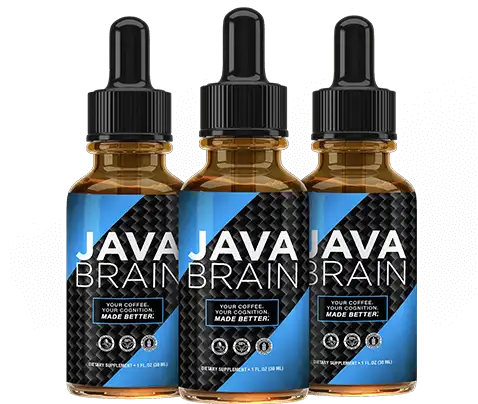
Targeted Nutritional Support: For those seeking to further fortify their cognitive function, certain natural supplements can play a supportive role. Java Brain is one such option, formulated with ingredients known to aid memory, focus, and mental clarity. It's designed to complement a healthy lifestyle, providing a boost to your brain's natural capabilities.
Key Ingredients in Java Brain for Cognitive Support
Java Brain harnesses the power of several well-researched natural ingredients, each selected for its unique contribution to brain health. These compounds work synergistically to enhance focus, memory, and overall mental clarity, offering a complementary approach to your cognitive wellness journey.

Bacopa Monnieri
Role: An adaptogenic herb traditionally used in Ayurvedic medicine, Bacopa Monnieri is renowned for its potential to improve memory formation, recall, and processing speed. It works by enhancing synaptic communication and promoting neurogenesis.
Typical Dose: 300-450mg extract
Green Tea Extract (EGCG)
Role: Rich in antioxidants, particularly Epigallocatechin Gallate (EGCG), Green Tea Extract protects brain cells from oxidative damage. It also supports cognitive function and mood by influencing neurotransmitter activity and promoting healthy blood flow to the brain.
Typical Dose: 200-400mg EGCG
L-Theanine
Role: An amino acid found in green tea, L-Theanine promotes a state of calm focus without drowsiness. It increases alpha brain waves, which are associated with relaxed alertness, and can enhance attention and reduce the jitters often associated with caffeine.
Typical Dose: 100-200mg
Lion's Mane Mushroom
Role: This medicinal mushroom is gaining recognition for its neuroprotective properties. It's believed to stimulate the production of Nerve Growth Factor (NGF), which is crucial for the growth, maintenance, and survival of neurons, potentially supporting memory and cognitive function.
Typical Dose: 500-1000mg extract
Rhodiola Rosea
Role: An adaptogen that helps the body adapt to stress, Rhodiola Rosea can reduce mental fatigue and improve focus, especially during stressful periods. It supports mental performance and stamina, making it easier to maintain clarity under pressure.
Typical Dose: 200-600mg extract
Vitamin B Complex
Role: B vitamins (B6, B9, B12) are vital for numerous brain functions, including energy production, neurotransmitter synthesis, and nerve cell health. They play a critical role in reducing homocysteine levels, an amino acid linked to cognitive decline when elevated.
Typical Dose: Varies by B vitamin
Ready to Fortify Your Brain Against Modern Stressors?
Java Brain offers a scientifically formulated blend of natural ingredients designed to support cognitive function, enhance focus, and promote mental clarity. It's a proactive step towards nurturing your brain health in an increasingly demanding world. While social connection is vital, Java Brain provides an additional layer of support for your mental vitality.
- ✓ Enhances Focus & Concentration
- ✓ Boosts Memory & Recall
- ✓ Promotes Mental Clarity & Sharpness
- ✓ Supports Sustained Energy (without jitters)
- ✓ Aids in Stress Adaptation & Mood Balance




Hear From Our Users: Real Stories of Mental Clarity
While Java Brain supports individual cognitive health, many users find it complements their efforts to maintain overall well-being, including active social lives. Don't just take our word for it—see what real users are saying about their experience.
"I've been feeling a bit isolated lately, and the brain fog was real. Java Brain hasn't replaced my friends, but it's given me the mental energy and clarity to actually *want* to engage more. I feel sharper, less drained, and more present in conversations. It’s a great complement to my efforts to reconnect."
"As someone who works remotely, I sometimes struggle with the lack of daily social interaction. Java Brain helps me stay focused and articulate during video calls, and I feel less mentally sluggish when I do meet up with friends. It supports my brain so I can make the most of my social connections. I even shared my positive experience with a few friends, you can read more stories on our testimonials page."
"I was skeptical, but the difference in my mental clarity is noticeable. I used to feel overwhelmed by social events, but now I feel more 'on' and can follow multiple conversations without losing my train of thought. It's like my brain has more bandwidth, making social interactions much more enjoyable and less tiring."
Frequently Asked Questions
How does loneliness specifically impact brain health?
+Loneliness triggers a chronic stress response, leading to elevated cortisol and inflammation. These physiological changes can damage brain cells, impair neuroplasticity (the brain's ability to adapt and form new connections), and reduce blood flow to critical areas like the hippocampus (memory) and prefrontal cortex (executive function), ultimately contributing to cognitive decline and brain fog.
What are some immediate signs of cognitive decline or brain fog due to social isolation?
+Immediate signs can include difficulty concentrating, increased forgetfulness, slower processing speed, feeling mentally fatigued even after rest, struggling with decision-making, and a general lack of mental clarity. You might also notice a reduced ability to engage in complex conversations or follow intricate plots in books or movies.
Is Java Brain a replacement for social interaction?
+Absolutely not. Java Brain is a dietary supplement designed to support cognitive function through natural ingredients. It is intended to complement a healthy lifestyle, which unequivocally includes meaningful social interaction, a balanced diet, regular exercise, and adequate sleep. No supplement can replace the profound benefits of human connection for brain health.
Besides social connection, what other lifestyle factors support brain health?
+A holistic approach is best. Alongside social connection, prioritize a nutrient-rich diet (like the Mediterranean diet), engage in regular physical activity, ensure sufficient and restorative sleep, manage stress effectively through techniques like mindfulness, continuously challenge your brain with new learning, and maintain proper hydration. Each of these elements plays a vital role in protecting and enhancing cognitive function.
How quickly can I see improvements in cognitive function after increasing social interaction?
+The timeline for improvements can vary greatly depending on the individual and the severity of prior isolation. Some people might notice subtle shifts in mood, mental energy, and clarity within weeks, while more significant cognitive improvements may take several months of consistent social engagement. The key is sustained effort and genuine connection.
Can Java Brain help with existing cognitive decline or brain fog?
+Java Brain is formulated with ingredients known to support various aspects of cognitive health, such as memory, focus, and mental clarity. While it can offer support for individuals experiencing brain fog or mild cognitive challenges, it is not a treatment or cure for diagnosed medical conditions. Always consult with a healthcare professional for personalized advice regarding existing cognitive decline or medical conditions.
Related Articles