Do you often find yourself forgetting names, misplacing keys, or struggling to focus?
In our fast-paced world, maintaining peak cognitive function can feel like an uphill battle. Many of us experience moments of brain fog, forgetfulness, or a general decline in mental sharpness, leading to frustration and a sense of lost potential. The good news is that your brain's health isn't solely determined by genetics or age; it's profoundly influenced by your daily habits and choices.
This comprehensive guide will explore proven, natural ways to significantly improve your memory and recall, offering actionable strategies to enhance your cognitive abilities and reclaim mental clarity in 2026 and beyond. From dietary adjustments to lifestyle changes and targeted nutritional support, we'll equip you with the knowledge to foster a healthier, sharper brain.
Understanding Memory and Cognitive Decline
Before we dive into solutions, it's essential to understand what memory is and why it sometimes falters. Memory isn't a single entity but a complex system involving multiple brain regions working in concert.
Our memory can be broadly categorized into short-term (working memory) and long-term memory. Working memory allows us to hold and manipulate information temporarily, like remembering a phone number just long enough to dial it. Long-term memory stores information for extended periods, from days to a lifetime, encompassing factual knowledge (semantic memory), personal experiences (episodic memory), and skills (procedural memory).
Cognitive decline, including issues like memory loss and brain fog, is a common concern that can affect people of all ages, though it often becomes more noticeable with aging. Brain fog isn't a medical condition itself but rather a symptom characterized by a lack of mental clarity, poor concentration, and difficulty with recall. It can feel like your thoughts are sluggish or hazy, making it hard to perform daily tasks or engage in complex problem-solving.
Several factors contribute to these cognitive challenges. Chronic stress, insufficient sleep, poor nutrition, lack of physical activity, inflammation, hormonal imbalances, and even certain medications can all negatively impact brain function. Understanding these underlying causes is the first step toward implementing effective natural strategies for improvement.
💡 Key Takeaway
Memory is a multifaceted brain function, and its decline or the experience of brain fog is often a symptom of various modifiable lifestyle and environmental factors, not just aging. Addressing these root causes through natural interventions can significantly improve cognitive health.
The Foundation: Lifestyle Pillars for Optimal Brain Health
Improving memory and recall begins with establishing a robust foundation through healthy lifestyle choices. These pillars are universally beneficial for overall health and have a profound impact on cognitive function.
Prioritize Quality Sleep
Sleep is not merely a period of rest; it's a critical time for your brain to consolidate memories, clear out metabolic waste, and repair itself. Studies show that consistent, high-quality sleep (7-9 hours for most adults) significantly enhances memory consolidation and learning. Lack of sleep, even for a single night, can impair attention, working memory, and long-term memory recall. Establish a regular sleep schedule, create a relaxing bedtime routine, and optimize your sleep environment to maximize its brain-boosting benefits.
Embrace Regular Physical Activity
Exercise isn't just good for your body; it's a powerful stimulant for your brain. Physical activity increases blood flow to the brain, delivering vital oxygen and nutrients. It also promotes the growth of new brain cells (neurogenesis) and enhances the connections between neurons, particularly in areas responsible for memory and learning. Aim for at least 150 minutes of moderate-intensity aerobic exercise per week, complemented by strength training. Activities like brisk walking, jogging, swimming, or cycling can make a significant difference in your cognitive sharpness.
Master Stress Management
Chronic stress is a known enemy of memory. Prolonged exposure to stress hormones like cortisol can damage brain cells in the hippocampus, a region crucial for memory formation and retrieval. Practicing stress-reduction techniques such as mindfulness meditation, deep breathing exercises, yoga, or spending time in nature can help mitigate these harmful effects. Learning to manage stress effectively protects your brain and improves your ability to focus and recall information.
Nourish Your Brain with a Healthy Diet
What you eat directly impacts your brain's performance. A diet rich in antioxidants, omega-3 fatty acids, and B vitamins is essential for protecting brain cells, reducing inflammation, and supporting neurotransmitter function. Focus on whole, unprocessed foods like fruits, vegetables, whole grains, lean proteins, and healthy fats. The Mediterranean diet, for example, is often cited for its brain-protective qualities. We'll delve deeper into specific brain-boosting foods shortly.
Stay Mentally Engaged
Just like muscles, your brain needs regular exercise to stay strong. Engaging in mentally stimulating activities helps build new neural pathways and strengthens existing ones, improving cognitive reserve. Learn a new language or skill, play challenging board games, read diverse literature, solve puzzles, or take up a new hobby. The key is novelty and challenge – anything that pushes your brain to learn and adapt.

The Power of Nutrition: Foods for a Sharper Mind
Your brain is a high-energy organ, consuming about 20% of your body's calories. Fueling it with the right nutrients is paramount for optimal function, including memory and recall.
Omega-3 Fatty Acids: These essential fats, particularly DHA, are crucial for brain structure and function. They are vital components of brain cell membranes and play a role in reducing inflammation. Rich sources include fatty fish (salmon, mackerel, sardines), flaxseeds, chia seeds, and walnuts.
Antioxidants: The brain is vulnerable to oxidative stress, which can damage cells and contribute to cognitive decline. Antioxidants combat free radicals and protect brain cells. Berries (blueberries, strawberries), dark chocolate, leafy green vegetables (spinach, kale), and colorful fruits are packed with antioxidants.
B Vitamins: B6, B9 (folate), and B12 are particularly important for brain health. They help reduce homocysteine levels, an amino acid associated with cognitive impairment. They also play a role in neurotransmitter production. Find them in whole grains, eggs, meat, fish, dairy, and leafy greens. For more on essential brain nutrients, you might find our article on natural ways to boost memory and focus insightful.
Flavonoids: Found in plant-based foods, flavonoids have neuroprotective properties. They can improve blood flow to the brain and enhance memory. Excellent sources include cocoa, green tea, citrus fruits, and berries.
Choline: This nutrient is a precursor to acetylcholine, a neurotransmitter critical for memory and learning. Eggs, beef liver, chicken, and certain vegetables like broccoli and Brussels sprouts are good sources.
Integrating a diverse range of these nutrient-dense foods into your daily diet can provide your brain with the building blocks it needs to function at its best, supporting robust memory and clear thinking.
Brain Training and Cognitive Exercises
Beyond diet and lifestyle, actively challenging your brain can significantly improve its ability to form and retrieve memories. Think of it as a workout for your mind.
Memory Games & Puzzles
Engage in activities like crossword puzzles, Sudoku, jigsaw puzzles, or memory card games. These games stimulate various parts of the brain, improving problem-solving skills, logic, and visual memory. Online brain training apps can also offer structured exercises tailored to cognitive enhancement.
Learn a New Skill or Language
The process of acquiring new knowledge or mastering a new skill, such as playing an instrument, learning to paint, or studying a foreign language, creates new neural pathways and strengthens existing ones. This cognitive engagement can significantly boost neuroplasticity, the brain's ability to reorganize itself.
Social Interaction
Active social engagement can be a powerful cognitive stimulant. Conversations, discussions, and group activities require mental effort in listening, processing information, and formulating responses, all of which contribute to better memory and cognitive function. Isolation, conversely, is linked to cognitive decline.
Mindfulness & Meditation
Regular mindfulness practice can improve attention, focus, and working memory. By training your mind to stay in the present moment, you enhance your ability to absorb and retain information, while also reducing the stress that can impair memory.
Natural Nootropics: Supplementing for Cognitive Edge
While lifestyle and diet are foundational, certain natural compounds, often referred to as nootropics or "brain boosters," have shown promise in supporting memory, focus, and overall cognitive function. These ingredients work through various mechanisms, from enhancing blood flow to supporting neurotransmitter production and protecting brain cells.
It's important to remember that supplements are meant to complement a healthy lifestyle, not replace it. Always consult with a healthcare professional before adding new supplements to your regimen.
Many of these ingredients are found in traditional medicine systems and are now backed by modern scientific research for their cognitive benefits. For a deeper dive into some powerful herbal options, consider reading our article on top nootropic herbs like Bacopa and Ashwagandha.
Key Natural Ingredients for Memory & Focus

Bacopa Monnieri
Role: An adaptogenic herb used in Ayurvedic medicine for centuries. It's known to enhance memory formation, reduce anxiety, and improve cognitive processing speed. Bacopa is believed to work by improving communication between brain neurons and promoting dendrite growth.
Typical Dose: 300-450 mg of extract (55% bacosides) daily.
Green Tea Extract (EGCG)
Role: Rich in antioxidants and compounds like Epigallocatechin gallate (EGCG), green tea extract can protect brain cells from oxidative damage. It also contains L-Theanine, which works synergistically to promote calm focus and improved attention without jitters.
Typical Dose: 250-500 mg EGCG daily.
L-Theanine
Role: An amino acid found primarily in green tea. L-Theanine promotes relaxation without drowsiness by increasing alpha brain waves. It can improve focus, attention, and executive function, especially when combined with caffeine (as found naturally in green tea).
Typical Dose: 100-200 mg daily.
Lion's Mane Mushroom (Hericium erinaceus)
Role: This medicinal mushroom has gained popularity for its neuroprotective and neuroregenerative properties. It contains compounds (hericenones and erinacines) that may stimulate the production of Nerve Growth Factor (NGF), which is crucial for brain cell health and growth, potentially improving memory and cognitive function.
Typical Dose: 500-3000 mg daily.
Rhodiola Rosea
Role: An adaptogenic herb that helps the body adapt to stress. Rhodiola can reduce mental fatigue, improve focus, and enhance mood, all of which indirectly contribute to better memory and cognitive performance by alleviating stress-induced cognitive impairment.
Typical Dose: 200-600 mg extract (3% rosavins, 1% salidrosides) daily.
Vitamin B Complex
Role: A group of essential vitamins (B6, B9/folate, B12) critical for brain health. They play a vital role in energy production, neurotransmitter synthesis, and nerve function. B vitamins help reduce homocysteine levels, which, when elevated, are linked to cognitive decline and memory issues.
Typical Dose: Varies by individual B vitamin; often a balanced complex.
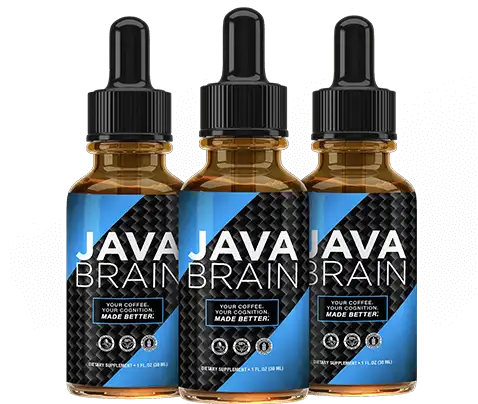
Unleash Your Brain's Potential with Java Brain
While a holistic approach to brain health is essential, finding a reliable supplement that combines these powerful natural ingredients can significantly amplify your efforts. Java Brain is meticulously formulated to support your cognitive journey.
- ✓ Enhances Memory & Recall
- ✓ Boosts Focus & Concentration
- ✓ Reduces Brain Fog & Mental Fatigue
- ✓ Supports Neurotransmitter Health
- ✓ All-Natural, Non-GMO Ingredients




What Our Customers Are Saying
"I've struggled with brain fog for years, especially in the afternoons. Since starting Java Brain, I feel a remarkable difference. My thoughts are clearer, and I can recall details much faster. It's been a game-changer for my productivity at work!"
"As a student, staying focused and retaining information is crucial. Java Brain has helped me immensely. I feel more alert during lectures and my study sessions are more effective. My grades have even seen an improvement!"
"I was skeptical at first, but after a month on Java Brain, my memory is noticeably sharper. I no longer forget appointments or struggle to find the right words. It's a natural boost that truly works. Highly recommend!"
Frequently Asked Questions
What causes memory decline and brain fog?
+Memory decline and brain fog can stem from various factors, including aging, chronic stress, poor sleep, nutritional deficiencies, lack of physical activity, inflammation, and certain medical conditions or medications. Lifestyle choices play a significant role.
How can diet impact my memory and recall abilities?
+A diet rich in antioxidants, omega-3 fatty acids, and B vitamins is crucial for brain health. Foods like leafy greens, berries, fatty fish, nuts, and whole grains can protect brain cells and support neurotransmitter function, directly improving memory and cognitive function.
Is regular exercise truly beneficial for brain health?
+Absolutely. Regular physical activity increases blood flow to the brain, promoting the growth of new brain cells and enhancing connections between neurons. It also reduces inflammation and stress, both of which can negatively impact memory and cognitive sharpness.
What natural ingredients are known to support memory?
+Several natural ingredients have been studied for their memory-enhancing properties, including Bacopa Monnieri, Lion's Mane Mushroom, Green Tea Extract (L-Theanine), Rhodiola Rosea, and various B vitamins. These work through different mechanisms to protect brain cells, improve circulation, and support neurotransmitter balance.
How does Java Brain fit into a natural memory improvement strategy?
+Java Brain is formulated with a blend of natural ingredients, including some of those known for cognitive support like Bacopa Monnieri and Green Tea Extract. It's designed to complement a healthy lifestyle by providing targeted nutritional support to help improve memory, focus, and mental clarity.
Are there any side effects associated with natural memory supplements?
+While natural supplements are generally well-tolerated, individual responses can vary. It's always recommended to consult with a healthcare professional before starting any new supplement, especially if you have existing health conditions or are taking other medications, to ensure it's safe and appropriate for you.
Related Articles
