Curious how strategic eating windows can sharpen your mind and fight brain fog?
In a world constantly seeking peak performance, both physically and mentally, intermittent fasting (IF) has emerged as a powerful dietary approach. Beyond its well-known benefits for weight management and metabolic health, a growing body of scientific evidence suggests that IF profoundly impacts our most complex organ: the brain. For those struggling with cognitive decline or persistent brain fog, understanding these mechanisms can offer a new path towards mental clarity and resilience.
This article delves into the fascinating interplay between intermittent fasting and brain health, exploring the cellular and molecular changes that occur when we strategically restrict our eating windows. From boosting `neuroplasticity and cellular repair` to optimizing energy utilization, we'll uncover how IF can be a game-changer for your cognitive function, memory, and overall mental well-being.
The Science Behind Fasting: A Brain Reset Button
Intermittent fasting isn't just about weight loss; it's a powerful metabolic intervention that triggers a cascade of beneficial processes within the brain. Understanding these mechanisms reveals why IF is so effective at enhancing cognitive function and combating issues like brain fog and age-related cognitive decline.
When you fast, your body depletes its glucose reserves and begins to burn fat for energy, producing compounds called **ketones**. Beta-hydroxybutyrate (BHB), a primary ketone body, is not just an alternative fuel source for the brain; it's also a signaling molecule that activates pathways promoting brain health. BHB has been shown to enhance mitochondrial function, reduce oxidative stress, and even stimulate the production of **Brain-Derived Neurotrophic Factor (BDNF)**. BDNF is often referred to as "Miracle-Gro for the brain" because it plays a critical role in neurogenesis (the growth of new brain cells), synaptic plasticity (the ability of synapses to strengthen or weaken over time), and the survival of existing neurons. This means IF can literally help your brain build and maintain its infrastructure.
Beyond ketones, fasting initiates a process called **autophagy**. This is your body's natural cellular "housekeeping" mechanism, where damaged cells and cellular components are removed and recycled. In the brain, autophagy is crucial for clearing out aggregated proteins, like those associated with neurodegenerative diseases, and maintaining optimal neuronal health. By promoting efficient cellular repair, IF helps to keep your brain cells functioning at their best, preventing the accumulation of cellular debris that can contribute to cognitive decline and brain fog. This intrinsic cleansing process is a key reason why many people report feeling a profound sense of mental clarity and sharpness after adapting to an intermittent fasting regimen.
💡 Key Takeaway
Intermittent fasting shifts the brain's energy source to ketones and activates cellular repair mechanisms like autophagy and BDNF production, fundamentally supporting neuronal health, neuroplasticity, and protection against cognitive decline.
Beyond Autophagy: How IF Optimizes Brain Metabolism and Reduces Inflammation
The benefits of intermittent fasting for the brain extend far beyond cellular recycling. IF fundamentally alters metabolic pathways and inflammatory responses, creating an environment conducive to superior cognitive performance and resilience.
Improved Insulin Sensitivity
One of the most significant metabolic impacts of IF is enhanced **insulin sensitivity**. When you consistently eat throughout the day, your body's cells can become resistant to insulin, leading to elevated blood sugar levels. This chronic state of hyperglycemia is detrimental to brain health, contributing to inflammation and oxidative stress. Intermittent fasting helps reset this, making your cells, including brain cells, more responsive to insulin. Better insulin sensitivity ensures a more stable and efficient supply of glucose to the brain when you do eat, preventing the energy fluctuations that can cause brain fog and fatigue.
Reduced Neuroinflammation
Chronic low-grade inflammation in the brain, known as **neuroinflammation**, is a major contributor to cognitive decline, depression, and various neurological disorders. IF has been shown to have potent anti-inflammatory effects. By reducing systemic inflammation markers and supporting gut health (which is intimately linked to brain inflammation via the **gut-brain axis**), intermittent fasting can calm an overactive immune response in the brain. This reduction in inflammatory burden can lead to improved mental clarity, better mood regulation, and protection against neurodegenerative processes.
Enhanced Mitochondrial Function
Mitochondria are the "powerhouses" of your cells, responsible for generating ATP, the energy currency. The brain is highly energy-dependent, and mitochondrial dysfunction is implicated in many cognitive disorders. Intermittent fasting stimulates **mitochondrial biogenesis** (the creation of new mitochondria) and improves the efficiency of existing ones. This results in a more robust and reliable energy supply for your neurons, leading to increased alertness, better focus, and sustained mental endurance. A well-fueled brain is a high-performing brain, less susceptible to the energy dips that characterize brain fog.
Stress Resistance and Adaptability
Fasting imposes a mild, hormetic stress on the body, similar to exercise. This controlled stress response actually makes cells, including neurons, more resilient to future, more severe stressors. It activates cellular defense pathways and enhances the brain's ability to adapt to challenges. This increased **stress resistance** can protect brain cells from damage, improve their ability to recover from injury, and potentially slow down the aging process in the brain, contributing to long-term cognitive vitality and a reduced incidence of brain fog.

Practical Approaches to Intermittent Fasting for Cognitive Health
Embarking on an intermittent fasting journey for brain health requires thoughtful planning and an understanding of different approaches. While the core principle remains consistent – cycling between eating and fasting periods – various methods cater to different lifestyles and preferences.
The most popular method, and often the easiest to start with, is the **16/8 method**. This involves fasting for 16 hours and confining your eating to an 8-hour window. For example, you might skip breakfast, eat your first meal at noon, and finish dinner by 8 PM. This method is relatively easy to integrate into daily life and allows for two or three meals within the eating window. For those seeking more advanced strategies, the **5:2 method** involves eating normally for five days a week and restricting calorie intake to 500-600 calories on two non-consecutive days. Another approach is **Eat-Stop-Eat**, which involves a 24-hour fast once or twice a week, from dinner one day to dinner the next. Each method offers distinct benefits, and the best choice often depends on individual tolerance and goals.
When implementing IF, consistency is key. It takes time for your body and brain to adapt to this new eating pattern, so patience is essential. During your eating window, focus on **nutrient-dense foods** that support brain health: healthy fats (avocados, nuts, olive oil), lean proteins, abundant fruits and vegetables, and whole grains. Staying well-hydrated during fasting periods is also crucial, with water, black coffee, and herbal teas being excellent choices. Listen to your body and adjust your fasting schedule as needed. It's important to differentiate between true hunger and habitual cravings, which often subside as your body becomes fat-adapted. For more insights into optimizing your brain health regimen, you might find our article on the best brain health supplements helpful.
Navigating Challenges and Considerations
Is IF for Everyone?
While intermittent fasting offers numerous benefits, it's not universally suitable. Pregnant or breastfeeding women, individuals with a history of eating disorders, those with type 1 diabetes, or people on certain medications should approach IF with extreme caution or avoid it altogether. It's crucial to consult a healthcare professional before starting any new dietary regimen, especially if you have underlying health conditions.
Initial Side Effects and Adaptation
During the initial phase of intermittent fasting, it's common to experience side effects such as headaches, fatigue, irritability, and difficulty concentrating. These symptoms are often part of the body's adaptation process as it shifts from primarily burning glucose to burning fat for energy. These usually subside within a few days to a couple of weeks. Gradually extending fasting windows and ensuring adequate hydration can help mitigate these initial discomforts.
Nutrient Intake During Eating Windows
The quality of your diet during eating windows is paramount. Intermittent fasting is not a license to indulge in unhealthy foods. To maximize cognitive benefits and prevent nutrient deficiencies, focus on a balanced intake of whole, unprocessed foods rich in vitamins, minerals, healthy fats, and proteins. Neglecting nutritional quality can counteract the positive effects of fasting and potentially lead to deficiencies that impact brain function.
Combining IF with Nootropics
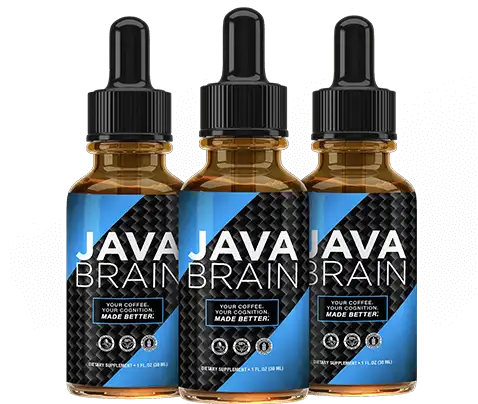
For those looking to further amplify their cognitive benefits, combining intermittent fasting with targeted nootropic supplements can be a powerful strategy. While IF optimizes the brain's environment, nootropics can provide specific nutrients to support neurotransmitter function, memory, and focus. Products like Java Brain, designed with synergistic ingredients, can help bridge nutritional gaps and enhance mental performance during your eating periods. To understand how Java Brain stands out, read our comparison of Java Brain vs. other nootropics.
Supporting Your Brain's Fasting Journey with Java Brain
While intermittent fasting offers profound neuroprotective and cognitive-enhancing benefits, providing your brain with optimal nutrition during your eating windows can further amplify these effects. Java Brain is designed to complement a brain-healthy lifestyle, offering a blend of natural ingredients specifically chosen to support focus, memory, and overall mental clarity.

Bacopa Monnieri
Role: An adaptogenic herb renowned for its ability to enhance memory, reduce anxiety, and improve cognitive processing speed. It works by supporting neuronal communication and promoting new dendrite growth, which is crucial for learning and memory formation. This can be especially beneficial in tandem with IF's neuroplasticity benefits.
300-450mg daily
L-Theanine
Role: An amino acid found primarily in green tea, L-Theanine promotes a state of relaxed alertness. It can cross the blood-brain barrier to increase alpha brain wave activity, which is associated with a calm, focused mental state. This helps in achieving sustained concentration without the jitters, perfect for enhancing the mental clarity gained from fasting.
100-200mg daily
Green Tea Extract
Role: Rich in antioxidants, particularly EGCG, green tea extract protects brain cells from oxidative damage and supports overall brain health. It works synergistically with L-Theanine to enhance cognitive function, mood, and alertness, providing a gentle boost to mental energy and focus during your eating periods.
250-500mg daily
Lion's Mane Mushroom
Role: A powerful nootropic mushroom known for its potential to stimulate the production of Nerve Growth Factor (NGF), which is essential for the growth, maintenance, and survival of neurons. This can significantly support neuroplasticity and cognitive function, making it an excellent partner for IF's brain-boosting effects.
500-1000mg daily
Rhodiola Rosea
Role: An adaptogenic herb that helps the body resist physical, chemical, and environmental stress. It can improve mental performance, reduce fatigue, and enhance focus under stressful conditions. This makes it valuable for maintaining cognitive resilience, especially during the adaptation phase of intermittent fasting.
200-400mg daily
Vitamin B Complex
Role: Essential for numerous brain functions, including energy production, neurotransmitter synthesis, and nerve cell maintenance. B vitamins (B6, B9, B12) are critical for reducing homocysteine levels, a risk factor for cognitive decline, and ensuring efficient brain metabolism. They provide foundational support for overall cognitive vitality.
Varies by B vitaminBy incorporating a well-formulated supplement like Java Brain into your routine, you can provide your brain with the targeted nutrients it needs to thrive, especially when practicing intermittent fasting. This holistic approach ensures you're supporting your cognitive health from multiple angles, maximizing your potential for mental clarity and resilience. Don't just take our word for it; see what real users are saying about Java Brain and its impact on their cognitive health.

Unlock Your Brain's Full Potential with Java Brain
Enhance your intermittent fasting journey and combat cognitive decline with Java Brain, a premium blend of natural nootropic ingredients. Formulated by cognitive health experts, Java Brain is designed to sharpen your focus, boost your memory, and provide lasting mental clarity.
- ✓ Supports Enhanced Focus & Concentration
- ✓ Boosts Memory Recall & Learning Ability
- ✓ Reduces Brain Fog & Mental Fatigue
- ✓ Promotes Neuroplasticity & Brain Cell Health
- ✓ Made with 100% Natural, Clinically-Backed Ingredients




Real Users, Real Cognitive Improvements
"I started intermittent fasting a few months ago, and while I felt better, my focus still wavered. Adding Java Brain has been a game-changer. My brain fog is gone, and I feel sharp and alert all day. It's like my brain is finally working at its full potential!"
"As a busy professional, I need my mind to be on point. Intermittent fasting helped with my energy, but Java Brain took my cognitive function to the next level. My memory is clearer, and I can concentrate for longer periods without feeling drained. Highly recommend this natural boost."
"I was skeptical at first, but the combination of IF and Java Brain has truly transformed my mental clarity. I used to struggle with that afternoon slump, but now I maintain focus and energy throughout my workday. It feels fantastic to have my mind back."
Frequently Asked Questions
What exactly is intermittent fasting (IF)?
+Intermittent fasting is an eating pattern that cycles between periods of eating and voluntary fasting. It's not about what you eat, but when you eat. Common methods include the 16/8 method (fasting for 16 hours, eating during an 8-hour window), the 5:2 method (eating normally for 5 days, restricting calories on 2 non-consecutive days), and Eat-Stop-Eat (24-hour fasts once or twice a week).
How does IF specifically benefit brain health?
+IF benefits the brain through several mechanisms. It promotes cellular repair processes like autophagy, increases the production of Brain-Derived Neurotrophic Factor (BDNF) which supports neuron growth, improves insulin sensitivity to better fuel brain cells, reduces inflammation, and enhances mitochondrial function for increased energy production. These effects collectively lead to improved cognitive function and neuroprotection.
Can intermittent fasting help with brain fog and cognitive decline?
+Yes, many studies and anecdotal reports suggest IF can significantly reduce brain fog and may play a role in mitigating cognitive decline. By improving metabolic health, reducing inflammation, and boosting neuroplasticity, IF helps clear mental cobwebs, enhance focus, and protect brain cells from damage associated with age-related decline. It can make your brain more resilient.
Are there any risks or downsides to intermittent fasting for the brain?
+While generally safe for most healthy adults, IF can initially cause side effects like headaches, fatigue, irritability, and difficulty concentrating as your body adapts. These usually subside. It's not recommended for pregnant or breastfeeding women, individuals with a history of eating disorders, or those with certain medical conditions like diabetes, without strict medical supervision. Always consult a healthcare professional before starting IF.
How long does it take to see cognitive benefits from IF?
+The timeline for experiencing cognitive benefits from IF varies among individuals. Some people report increased mental clarity and focus within a few weeks, while more profound changes like improved memory or neuroprotection may take several months of consistent practice. Adherence to a healthy diet during eating windows and sufficient hydration are crucial for optimal results.
Can supplements like Java Brain complement intermittent fasting for better brain health?
+Absolutely. While IF provides a strong foundation for brain health, targeted nootropic supplements can offer synergistic benefits. Java Brain, with ingredients like Bacopa Monnieri, L-Theanine, and Lion's Mane, can support neurotransmitter balance, stress reduction, and overall cognitive function during your eating windows, potentially enhancing the mental sharpness gained from fasting. It's a way to provide your brain with essential nutrients when you are eating.
Related Articles