Is your memory not what it used to be? Understanding cognitive changes as we age is the first step to preserving your mental sharpness.
As we journey through life, our bodies undergo numerous transformations, and our brains are no exception. The subtle shifts in memory, focus, and overall cognitive function can be perplexing, often leading to questions about what's normal and what might be cause for concern.
This comprehensive guide will delve into the intricate relationship between aging and cognition, exploring the scientific basis of these changes, distinguishing between typical aging and more significant cognitive decline, and providing actionable strategies to support your brain health. We'll highlight the importance of proactive measures to maintain mental clarity and sharpness for years to come.
The Aging Brain: Normal Changes vs. Cognitive Decline
It's crucial to differentiate between the natural, expected changes that occur in the brain with age and more serious forms of cognitive decline. Understanding this distinction can help alleviate unnecessary worry and guide appropriate action.
As we age, our brains undergo various structural and functional changes. These can include a slight reduction in brain volume, particularly in areas like the prefrontal cortex and hippocampus, which are vital for memory and executive functions. There can also be a decrease in the efficiency of neuronal connections and neurotransmitter systems. These changes often manifest as a subtle slowing of processing speed, taking a bit longer to learn new information, or occasionally misplacing items. These are generally considered a normal part of aging and do not significantly interfere with daily life or independence.
However, cognitive decline refers to more significant and persistent problems with memory, thinking, and reasoning that are beyond what is expected for a person's age. This spectrum ranges from Mild Cognitive Impairment (MCI) to various forms of dementia, such as Alzheimer's disease. MCI involves noticeable changes in memory or other cognitive abilities that are detectable but do not yet impair a person's ability to carry out everyday activities. Dementia, on the other hand, is a more severe decline that significantly impacts daily living, social interactions, and independence.
The key differentiator lies in the impact on daily function. If you or a loved one are experiencing memory issues that affect the ability to manage finances, navigate familiar places, remember appointments, or perform routine tasks, it's essential to consult a healthcare professional. Early diagnosis is vital for managing symptoms and planning future care.
💡 Key Takeaway
Normal aging includes minor cognitive shifts like slower processing, but significant memory loss impacting daily activities is not normal and requires medical evaluation for potential cognitive decline.
Biological Underpinnings of Age-Related Cognitive Changes
To truly grasp how aging impacts our memory and cognition, it's helpful to understand the complex biological processes at play within the brain.
Several biological factors contribute to age-related cognitive changes. One significant factor is oxidative stress, an imbalance between free radicals and antioxidants in the body. Over time, oxidative stress can damage brain cells, proteins, and DNA, leading to impaired neuronal function. Another critical aspect is inflammation. Chronic low-grade inflammation in the brain, often referred to as neuroinflammation, can disrupt synaptic plasticity and neuronal communication, both essential for learning and memory.
Changes in neurotransmitter systems also play a role. Neurotransmitters like acetylcholine, dopamine, and serotonin, which are crucial for mood, attention, and memory, can become less abundant or less efficient in their signaling as we age. For instance, a decline in acetylcholine is strongly associated with memory impairment. Furthermore, alterations in cerebral blood flow can impact cognitive function. The brain relies on a steady supply of oxygen and nutrients delivered via blood. Reduced blood flow can starve brain cells, leading to their decline and impaired function.
The accumulation of abnormal protein deposits, such as amyloid plaques and tau tangles, is also a hallmark of certain neurodegenerative diseases like Alzheimer's. While some accumulation might occur with normal aging, excessive buildup is indicative of pathological processes. Understanding these biological changes helps us appreciate the multifaceted nature of cognitive aging and informs strategies for intervention and support.
Factors Influencing Cognitive Health in Later Life
While aging is inevitable, cognitive decline is not always a foregone conclusion. Many factors, both controllable and uncontrollable, influence how well our brains age.
Genetics and Family History
While genetics can predispose individuals to certain conditions, it's rarely the sole determinant. Genes like APOE-e4 are linked to an increased risk of Alzheimer's, but many people with these genes never develop the disease, and many without them do. Lifestyle factors can often mitigate genetic risks.
Lifestyle Choices
Diet, exercise, sleep, and stress management are paramount. A diet rich in fruits, vegetables, whole grains, and healthy fats (like the Mediterranean diet) supports brain health. Regular physical activity increases blood flow to the brain and promotes new brain cell growth. Adequate sleep is crucial for memory consolidation and brain detoxification.
Education and Mental Engagement
Higher levels of education and lifelong learning are associated with better cognitive function in old age. Engaging in mentally stimulating activities like reading, puzzles, learning new skills, or playing musical instruments builds cognitive reserve, making the brain more resilient to age-related changes and damage.
Social Engagement
Maintaining strong social connections and actively participating in social activities can significantly impact cognitive health. Social interaction challenges the brain, reduces stress, and combats feelings of isolation and depression, all of which are risk factors for cognitive decline.
Chronic Health Conditions
Conditions like high blood pressure, diabetes, high cholesterol, obesity, and depression are linked to an increased risk of cognitive impairment. Managing these conditions effectively through medication, lifestyle changes, and regular medical check-ups is crucial for protecting brain health.

Strategies for Maintaining and Enhancing Cognitive Function
While we cannot stop the aging process, we can adopt proactive strategies to support our cognitive health and potentially slow down age-related decline. It's never too early or too late to start.
1. Embrace a Brain-Healthy Diet: Focus on whole, unprocessed foods. The Mediterranean diet, rich in fruits, vegetables, whole grains, lean proteins, and healthy fats (like olive oil and nuts), has consistently been linked to better cognitive outcomes. Incorporate foods high in omega-3 fatty acids (fish), antioxidants (berries, dark leafy greens), and B vitamins (legumes, eggs). Limiting saturated fats, refined sugars, and processed foods is equally important. For more detailed dietary recommendations, you might find our article on How To Eliminate Brain Fog Naturally: Diet & Lifestyle particularly helpful.
2. Prioritize Physical Activity: Regular exercise is one of the most powerful tools for brain health. It increases blood flow to the brain, reduces inflammation, and stimulates the growth of new brain cells and connections. Aim for at least 150 minutes of moderate-intensity aerobic exercise per week, combined with strength training and flexibility exercises. Even short walks can make a difference.
3. Stay Mentally Active and Engaged: Challenge your brain regularly. Learn a new language, play a musical instrument, solve puzzles, read diverse books, or take up a new hobby. These activities create new neural pathways and strengthen existing ones, building your cognitive reserve. Continuous learning keeps the brain agile and adaptable.
4. Get Sufficient, Quality Sleep: Sleep is not passive; it's a critical period for brain restoration. During sleep, the brain clears out metabolic waste products and consolidates memories. Aim for 7-9 hours of uninterrupted sleep per night. Establish a consistent sleep schedule and create a relaxing bedtime routine to improve sleep quality.
5. Manage Stress Effectively: Chronic stress can have detrimental effects on the brain, impacting memory and increasing the risk of cognitive decline. Incorporate stress-reduction techniques into your daily life, such as meditation, yoga, deep breathing exercises, spending time in nature, or engaging in hobbies you enjoy.
6. Maintain Social Connections: Social interaction is vital for mental well-being and cognitive health. Engage with friends, family, and community groups. Volunteering, joining clubs, or participating in group activities can provide intellectual stimulation and emotional support, reducing feelings of isolation.
7. Address Chronic Health Conditions: Actively manage conditions like high blood pressure, diabetes, high cholesterol, and depression, as they are significant risk factors for cognitive impairment. Regular check-ups and adherence to medical advice are crucial for safeguarding your brain health.
8. Consider Nootropic Support: While a healthy lifestyle forms the foundation, some individuals choose to explore natural nootropic supplements to further support their cognitive function. These formulations often contain ingredients backed by research to enhance memory, focus, and mental clarity. However, it's always important to choose high-quality supplements and consult with a healthcare professional.
Understanding Brain Fog and Cognitive Fatigue
What is Brain Fog?
Brain fog isn't a medical condition itself but rather a symptom characterized by a feeling of mental sluggishness, difficulty concentrating, impaired memory, and a lack of mental clarity. It's often described as feeling "fuzzy" or "unfocused."
Causes of Brain Fog
Brain fog can stem from various sources, including lack of sleep, chronic stress, dietary deficiencies (e.g., B vitamins), hormonal imbalances, certain medications, and underlying medical conditions. It can also be a significant symptom of age-related cognitive changes or mild cognitive impairment.
Impact on Daily Life
Experiencing brain fog can significantly impact daily productivity, decision-making, and overall quality of life. It can lead to frustration, reduced work performance, and difficulty engaging in hobbies or conversations. Addressing its root causes is essential for regaining mental sharpness.
Connecting to Aging
As we age, the brain's natural resilience to stressors can decrease, making older adults more susceptible to brain fog. Factors like neuroinflammation and oxidative stress, which increase with age, can exacerbate feelings of mental fatigue and contribute to cognitive fogginess.
Natural Ingredients Supporting Cognitive Health
Many natural compounds have been researched for their potential to support brain health and mitigate age-related cognitive changes. These ingredients are often found in high-quality nootropic supplements designed to enhance memory, focus, and overall mental clarity.

Bacopa Monnieri
Role: An adaptogenic herb traditionally used in Ayurvedic medicine, Bacopa Monnieri is known for its ability to enhance memory formation, recall, and learning capacity. It helps reduce anxiety and improve cognitive function by supporting neurotransmitter balance.
300-450 mg daily
L-Theanine
Role: An amino acid found primarily in green tea, L-Theanine promotes relaxation without drowsiness. It can cross the blood-brain barrier to increase alpha brain wave activity, leading to enhanced focus, attention, and a calm, alert state, often synergizing with caffeine.
100-200 mg daily
Green Tea Extract
Role: Rich in antioxidants, particularly EGCG (Epigallocatechin gallate), green tea extract helps protect brain cells from oxidative damage and inflammation. It supports brain health, memory, and can improve mood and vigilance. Its natural caffeine content also provides a gentle cognitive boost.
250-500 mg daily
Lion's Mane Mushroom
Role: This unique mushroom is gaining recognition for its neuroprotective properties. It's believed to stimulate the synthesis of Nerve Growth Factor (NGF), which is crucial for the growth, maintenance, and survival of neurons, potentially improving memory and cognitive function.
500-1000 mg daily
Rhodiola Rosea
Role: An adaptogenic herb that helps the body adapt to stress, Rhodiola Rosea is known to reduce mental fatigue and improve concentration, especially under stressful conditions. It can enhance cognitive performance and promote a sense of well-being.
200-600 mg daily
Vitamin B Complex
Role: B vitamins (B6, B9, B12) are essential for brain health. They play a crucial role in energy production, neurotransmitter synthesis, and nerve function. Deficiencies can lead to brain fog and cognitive impairment. Adequate B vitamins help maintain healthy brain metabolism.
Varies by vitamin
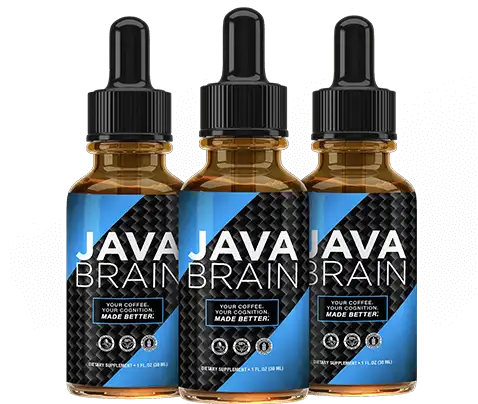
Reclaim Your Mental Edge with Java Brain
Java Brain is an all-natural nootropic supplement meticulously formulated to support memory, focus, and overall cognitive function, especially as you age. Crafted with potent, clinically-researched ingredients, it’s designed to help you maintain mental clarity and sharpness.
- Supports enhanced memory recall
- Boosts focus and concentration
- Promotes improved mental clarity
- Protects brain cells from oxidative stress
- Supports healthy brain blood flow




Real Stories, Real Results: Testimonials
"I used to forget names and where I put my keys constantly. Since starting Java Brain, I feel much sharper, and those frustrating moments are far less frequent. It's like my brain got a tune-up!"
"As a retired teacher, staying mentally active is crucial for me. Java Brain has truly helped me maintain my focus during reading and even with my daily crossword puzzles. Highly recommend for anyone wanting to keep their mind keen."
"I was skeptical, but the brain fog I've been experiencing for years has significantly lifted. My thoughts are clearer, and I feel more productive. Java Brain has made a noticeable difference in my daily life."
Frequently Asked Questions
Is some memory loss normal as I age?
+Yes, some minor changes in memory and cognitive processing speed are considered a normal part of aging. This might include taking longer to recall names or needing to focus more to learn new information. However, significant memory loss that impacts daily life is not normal and should be evaluated by a doctor.
What is the difference between normal aging and cognitive decline?
+Normal aging typically involves mild, non-disruptive changes like occasional forgetfulness or slower processing. Cognitive decline, such as Mild Cognitive Impairment (MCI) or dementia, involves more significant and persistent issues that interfere with daily activities, decision-making, and independence. If you notice a decline that affects your ability to perform routine tasks, it's important to seek medical advice.
Can lifestyle changes really impact my cognitive health?
+Absolutely. Lifestyle factors play a critical role in brain health. A balanced diet rich in antioxidants, regular physical exercise, adequate sleep, stress management, and continuous mental stimulation can significantly help preserve cognitive function and potentially reduce the risk of cognitive decline as you age.
When should I be concerned about my memory?
+You should seek medical attention if memory issues become frequent, interfere with daily tasks, or cause distress. Warning signs include difficulty completing familiar tasks, confusion with time or place, trouble understanding visual images or spatial relationships, new problems with words in speaking or writing, and poor judgment.
Are there supplements that can help with age-related memory issues?
+While no supplement can cure or prevent cognitive decline, certain natural ingredients have been studied for their potential to support brain health and cognitive function. Ingredients like Bacopa Monnieri, L-Theanine, and certain B vitamins are often included in nootropic formulations to help with memory, focus, and mental clarity. Always consult your healthcare provider before starting any new supplement.
How can I keep my brain active and engaged?
+Engaging in mentally stimulating activities is crucial. This can include learning a new language, playing musical instruments, solving puzzles (crosswords, Sudoku), reading regularly, pursuing new hobbies, or taking courses. Social interaction and staying connected with others also play a vital role in maintaining cognitive vitality.
Related Articles